Transport in the Western Balkans is benefiting from European Union funding to improve the region’s infrastructure links, but integration into the main European transport network is moving at a slow pace. This is stated in a report by the European Court of Auditors, which warns that, due to implementation delays and operational problems, the 2030 deadline for the completion of the basic transport network in the Western Balkans is unlikely to be met.
The report analyzes how the financial support of the European Union is influencing the development of transport infrastructure through the Investment Framework for the Western Balkans (WBIF), a mechanism that combines EU grants with loans from international financial institutions for the realization of infrastructure projects, “Railway PRO” media reports.
The European Commission is the main financier of this mechanism, contributing 899 million euros since 2015, or 86 percent of the common fund. The transport sector constitutes the largest part of the investments, with a budget of 2.665 billion euros, of which 527 million euros have been disbursed between 2015 and mid-2025.
Important projects, but with delays
According to the European auditors, the financed projects are in line with the priorities of the EU and the countries of the Western Balkans for increasing regional connectivity. However, the report highlights shortcomings in the selection of projects, especially in terms of their readiness before funding is approved.
Projects have started with a delay of 17 months on average, as some applications have been approved without completing the preparatory documentation. In some cases cost-benefit analysis or detailed verified projects were missing.
For this reason, the Court recommends that the European Commission only finance projects ready for implementation, with complete and updated documentation.
Six railway projects in four states
The analyzed sample includes 12 transport projects in Bosnia and Herzegovina, Kosovo, North Macedonia and Serbia, with a total value of 341.6 million euros.
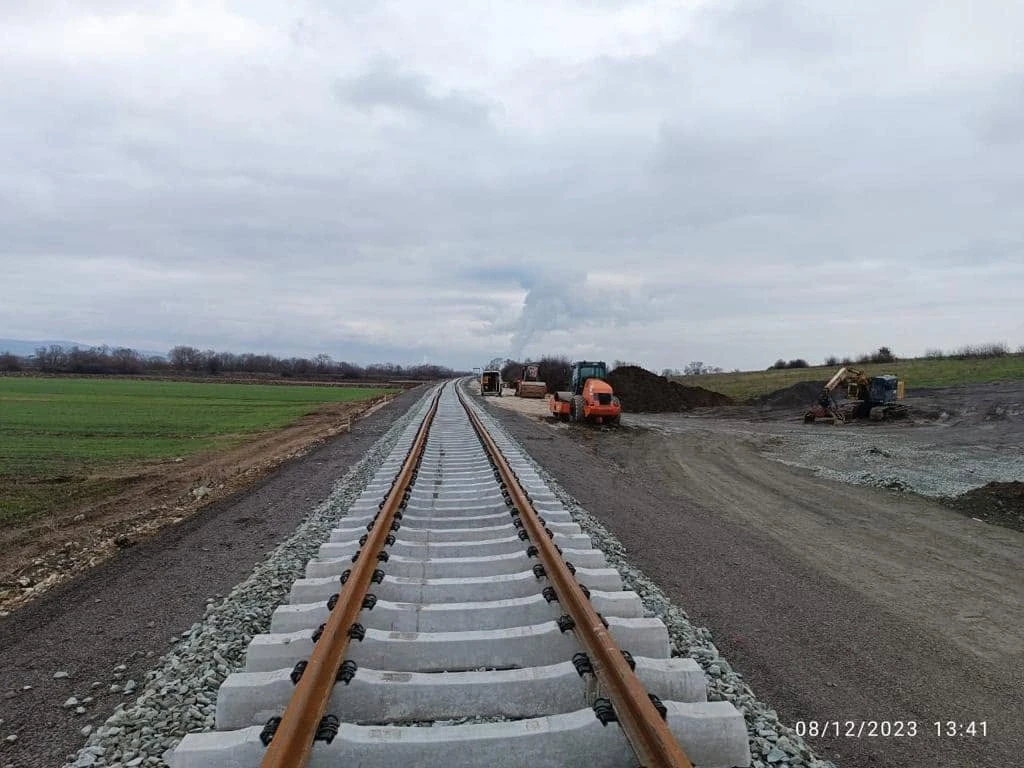
Among them are several important railway projects, such as the Line 10 railway in Kosovo, Corridor X and Corridor Xc in Serbia, as well as Corridor VIII in North Macedonia.
The report notes that six rail grants have been approved in these four countries, but three of the lines remain unelectrified and operate with diesel trains, reducing the environmental benefits that modern rail transport would bring.
The auditors also estimate that the European Commission has not given sufficient priority to sustainable transport projects, such as railways or inland waterways, which would help more in reducing greenhouse gas emissions.
Corridor without full connection in North Macedonia
One of the cases highlighted in the report is related to North Macedonia. The auditors find that a financed rail segment in Corridor VIII, towards the border with Bulgaria, was approved even though there was no guarantee of a full connection with the neighboring country, nor an agreement that would ensure the operation of the entire corridor.
According to the report, funding segments with insufficient connectivity could limit the impact of European investment in the regional transport network.
Problems on the Line 10 railway in Kosovo
The report focuses especially on the Line 10 railway project in Kosovo. According to the assessment of the European Court of Auditors, the condition of the line was worse at the time of the audit than before the start of the project.
The railway circulation has been interrupted since 2020 after the collapse of the tunnels during the works, while until June 2025 the signaling system and electrification were not installed.
Auditors use this case to illustrate the risks associated with delays, the limited capacities of beneficiaries and the sustainability of project results.
Line 10 is the main railway corridor of Kosovo, connecting the country from the border with Serbia in the north to the border with North Macedonia in the south. It is part of the European transport network (TEN-T) and is considered the most important railway connection of Kosovo with the region and Europe. The project for its modernization was planned since 2014, while international funding was secured in the following years. The works in the first phase, in the segment Fushë Kosovë-Hani i Elezit, started in 2019 with the aim of rehabilitating tracks, tunnels, bridges, signaling and electrification systems. However, the project faced numerous delays, while rail traffic on this line has been suspended since 2020 following problems encountered during tunnel work.
In general, the report finds that the sustainability of the seven projects analyzed was not fully ensured due to unfinished administrative procedures, lack of funds for continuing investments, insufficient maintenance or underutilized infrastructure.
Weak supervision and monitoring
The European Court of Auditors notes that the European Commission mainly relies on international financial institutions to monitor the implementation of projects.
However, according to the report, this oversight has not always been sufficient. The Commission has not systematically sought evidence for the assessment of implementation risks, while in some cases it has not identified deficiencies in public procurement procedures.
The report also criticizes the monitoring of delays, emphasizing that the information received from financial institutions has not always been detailed or updated enough to identify the real causes of problems.
In addition to launch delays, many projects have recorded additional delays of more than two years during the construction phase, mainly due to changes in technical designs and delays in obtaining permits.
Impact measurement remains limited
To assess the overall progress, the European Commission has used three main indicators: the growth of the Gross Domestic Product (GDP), the value of trade in goods and services, and the Human Development Index.
According to the auditors, these indicators are influenced by many external factors and do not give a clear overview of the concrete effects of the projects financed through the WBIF.
They estimate that it would be more useful to measure the degree of completion of the financed corridors and the level of compliance of the transport networks with the standards of the European Union, in order to more accurately assess the impact of the European funds.