European legislators criticized the visit of a commissioner to Serbia, warning that the timing was bad and that it could bring propaganda benefits to the government in Belgrade.
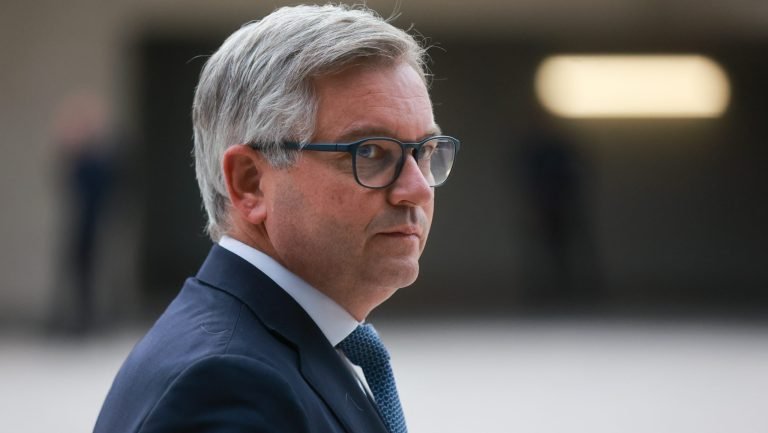
Magnus Bruner, the European Commissioner for Migration, met with the President of Serbia, Aleksandar Vučić, on Wednesday. His visit comes just weeks after Politiko reported that the Commission was considering freezing 1.5 billion euros in funds and grants to Serbia because of contentious judicial reforms and a general decline in democracy.
Tonino Picula, a Croatian member of the European Parliament from among the social democrats and the Parliament’s chief rapporteur for Serbia, told Politiko that there is a “risk that the visit could be used by the regime to present the image that everything is going on normally, which does not reflect the real situation”.
He expressed the expectation that Bruner will discuss cooperation between Brussels and Belgrade in the field of migration and border management.
“Serbia, which signed an agreement with the EU in 2024 on deepening cooperation in the fight against irregular migration, is a hub for people smugglers and migrants trying to enter the EU via the Western Balkan route.”
Irena Joveva, a Slovenian member of the European Parliament and vice-president of the liberal group Renew Europe (Renew), said that Bruner’s visit will likely be “instrumentalized by the Serbian authorities as a PR tool”.
“While Magnus Brunner may see it as diplomacy and normal relations with a candidate country, Vucic uses such photo opportunities to sell a narrative at home about a statesman who skillfully balances global powers in favor of Serbia,” she told A politician.
Serbia, a candidate for EU membership since 2012, must implement reforms to strengthen the rule of law and democracy in order to join the Union. Since 2024, the country has been shaken by anti-government protests after the death of 16 people due to the collapse of the roof of the railway station in Novi Sad, with frequent violent clashes between the police and demonstrators, writes Politiko.
In January, the government adopted a package of laws restructuring the courts and changing the way judges are selected, which raised concerns from non-governmental organizations and the EU. Enlargement Commissioner Marta Kos called these changes “a serious step backwards” and said that Brussels could cut off funding to Belgrade if the law is not withdrawn.
Vula Ceci, co-chair of the European Green Party, told POLITICO that “there has been a clear and worrying deterioration in the rule of law, freedom of the media and freedom of protest in Serbia.”
“I have been to Belgrade twice in the last few months and have seen firsthand the atmosphere of intimidation and police repression of student protests,” she added. “At such a time, visits by European commissioners risk sending the wrong message.”
Follow us on our Facebook and Instagram page, but also on X account. Subscribe to PDF edition of Danas newspaper.