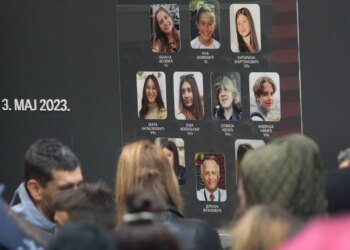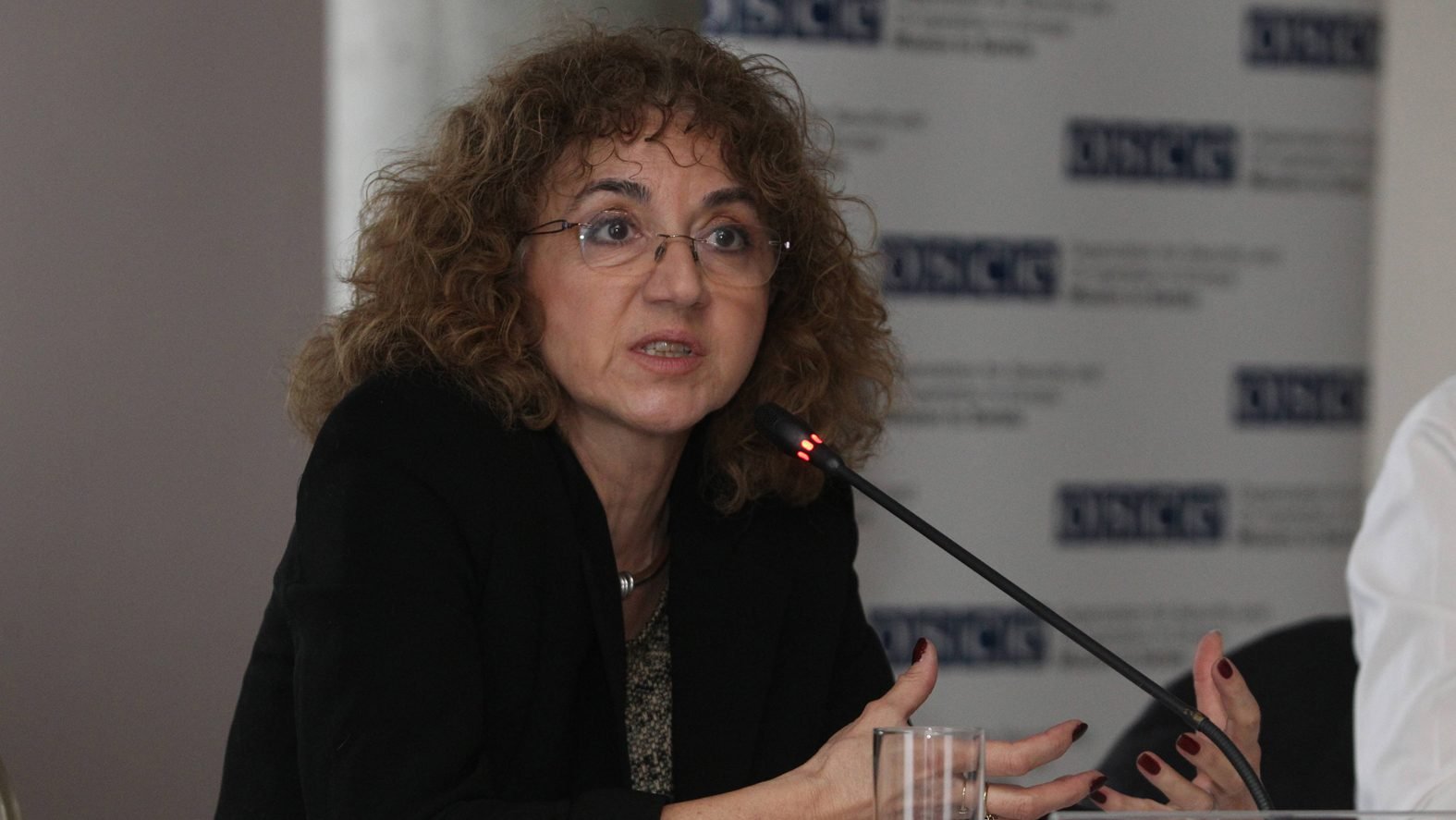
After the tragedies in “Ribnikar” and Dubona and Mali Orasje, the state reacted with ad hoc measures that are the easiest to implement and are actually the most practical and visible, such as handing over weapons, but a comprehensive strategy is necessary. says about N1 Professor of Psychology at the Faculty of Philosophy in Belgrade, Tamara Džamonja Ignjatović.
Džamonja Ignjatović says that we all expected that May 3 and 4 would be a warning to society to finally start some constructive processes so that something like that would not happen again and that the state would take serious preventive measures, but at this moment, unfortunately, the complete opposite is happening.
“Events happen that practically constantly retraumatize us and practically you have, in addition to the sadness due to all the victims and losses, actually a reaction of anger and a decision not to agree to such a thing anymore and to wait for a better situation, but you have to take something very active as citizens and individuals.”
The professor says that in such tragedies there is not only one cause, but a whole series of factors and that it is influenced by the individual, the family, society, but also practical circumstances such as the availability of weapons. She also says that we cannot deal with the causes and everything that led to tragedies without the support of the system.
“The system allows access to certain things, such as documentation, the investigation itself, all the circumstances. When we provided organized help and support to mental health, it was necessary to create some conditions for that, someone had to allow and organize the access of someone who will provide help. Certainly, the state is most responsible for creating the organization and direct provision of help,” she states.
The state, as Džamonja Ignjatović says, reacts “ad hoc with some measures that are easiest to apply and which are actually the most practical and visible”, such as handing over weapons.
“Certainly, the murder would not have occurred if there were no weapons, but weapons can be present if no one uses them, especially for those purposes. The state reacts with short-term, visible and concrete measures, but the measures are comprehensive, complex and refer to all levels – from practical, legal, to actually providing assistance.”
Follow us on our Facebook and Instagram page, but also on X account. Subscribe to PDF edition of Danas newspaper.