He registry of political prisoners in Venezuela increased to 344, according to the most recent balance from Foro Penal, prepared with information collected until September 14. The organization added 16 cases to its list after receiving other complaints and completing a review of the files.
The vice president of Foro Penal, Gonzalo Himiobclarified to Efe that the increase does not mean that 16 people have been arrested recently. These are cases that had not been reported to the NGO and are now being incorporated after the verification process.
“This does not mean that there are new arrests. What it means is that we have new reports of cases that had not been reported to us before and that we are analyzing. There are many,” Himiob explained.
The organization subjects each complaint to an analysis process before including it in its registry. Himiob indicated that some of the situations reported are finally not classified as cases of political prisonerssince they must comply with the criteria established by the NGO to determine, among other aspects, whether there was arbitrary detention or irregularities in the judicial process.
The balance indicates that 330 of the people counted are men and 14 women. They are all of legal age. By condition, 200 correspond to civilians and 144 to military personnel. The report also identifies 32 foreign or dual nationality detainees.
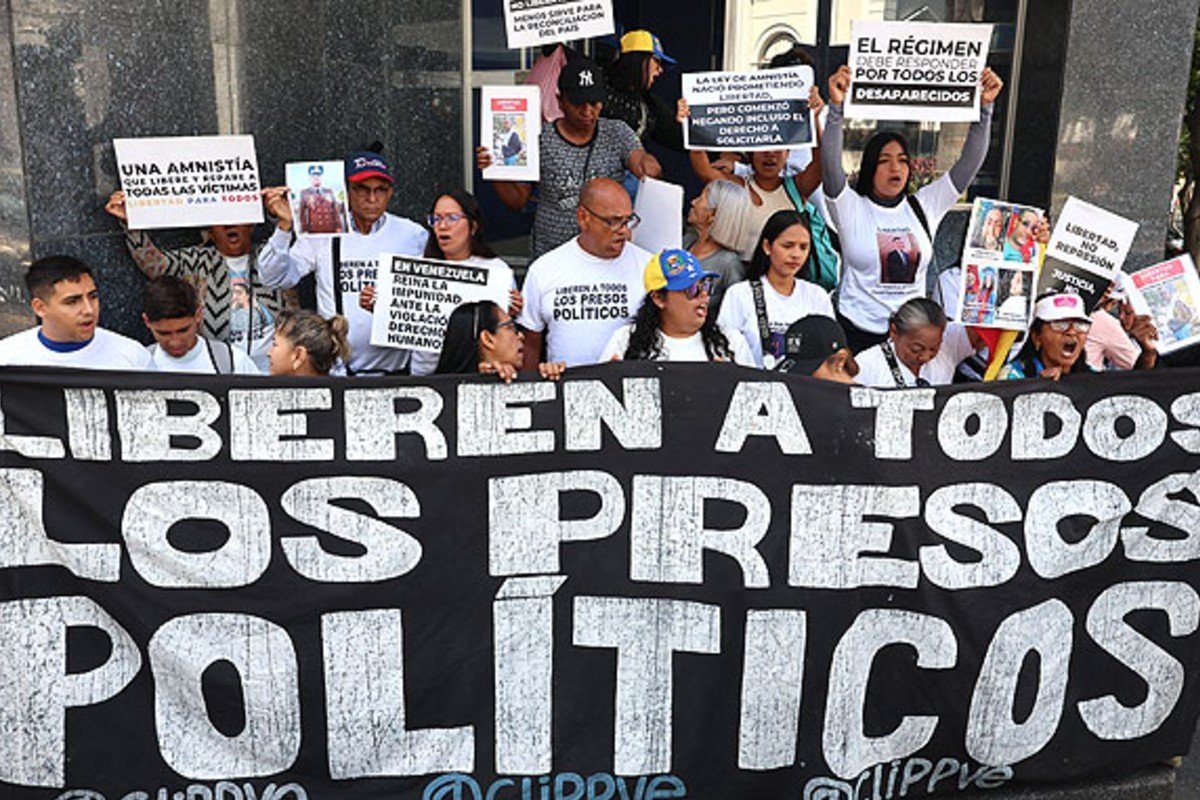
They demand freedom of political prisoners amid new negotiations
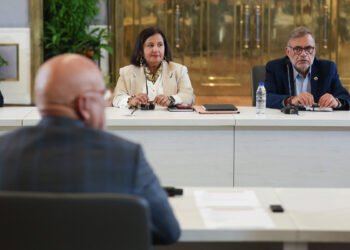
The update of the registry is known while representatives of human rights organizations have once again transferred the situation of the detainees to the second round of talks between a sector of the opposition and representatives of Chavismo.
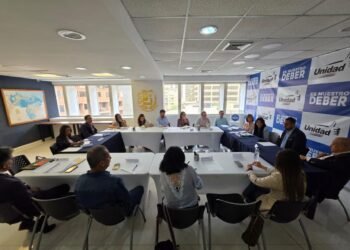
In a meeting held this Friday with Dinorah Figuera, head of the opposition delegation, Provea requested the release of the political prisoners and the cessation of investigations and judicial processes related to the reasons for which they were detained.
The claim is also kept off the dialogue table. Non-governmental organizations and civil groups, including groups made up of relatives of people deprived of liberty, have continued public actions to demand their release.
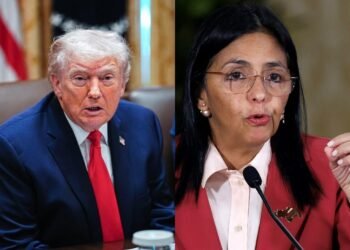
This occurs after a release process announced by the interim government of Delcy Rodríguez after the capture of Nicolás Maduro by United States forces in January.