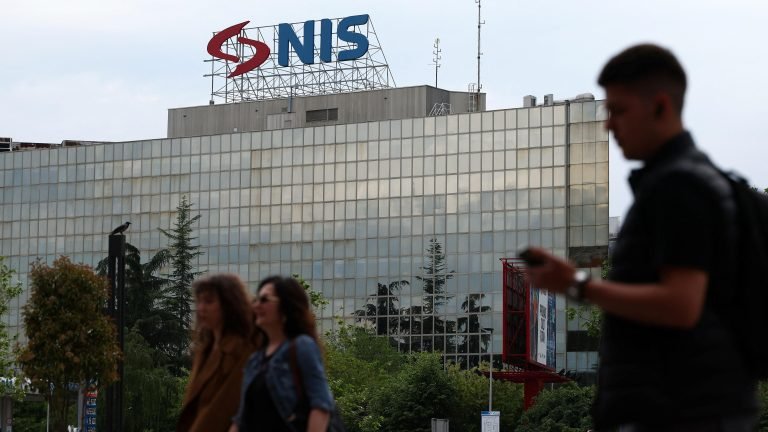
Ten days after the US Treasury Department’s Office of Foreign Assets Control (OFAC) extended the operating license to the Serbian Oil Industry until July 1, Russia’s Gazpromneft announced that “more time is needed” to finalize sales negotiations with Hungary’s MOL.
“We are currently holding discussions on the sale of shares.”
“It is a complex business and it will take time to reach an agreement. The process continues,” Alexander Dyukov, head of Gazpromneft, told Interfax news agency at the company’s shareholder meeting.
Gazpromneft and the Russian Intelligence Fund currently have 56.15 percent of shares owned by NIS, Serbia 29.87 percent, and the rest are small shareholders.
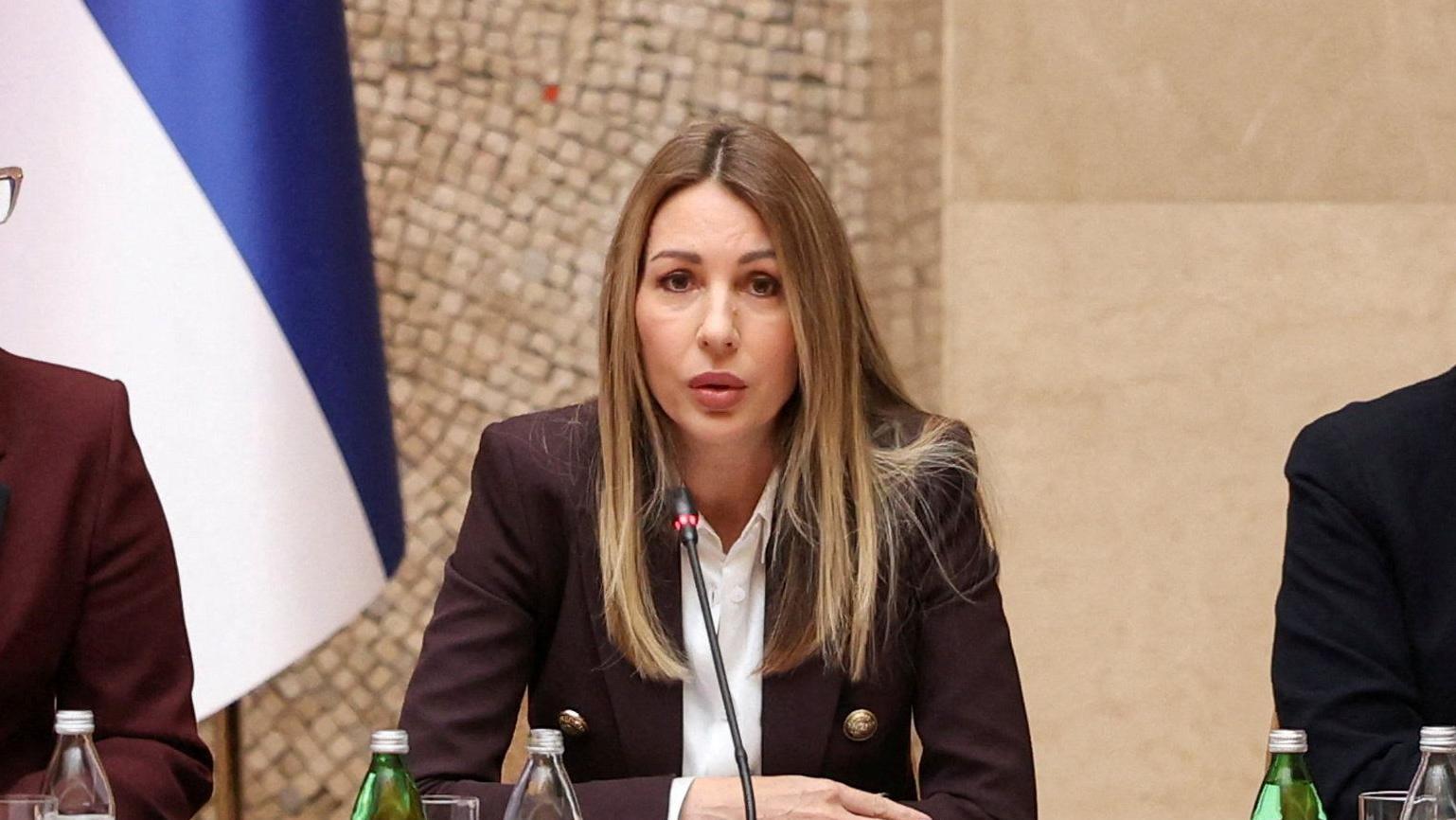
In mid-June, Dubravka Handanović Đedović, the Minister of Energy, confirmed that the authorities in Belgrade and MOL Group signed the Agreement between shareholders, according to which Serbia will become the owner of an additional five percent of shares in NIS.
This contract is also important because it ensures the operation of the refinery in Pancevo for the next ten years.
“The protection of Serbia’s energy security, stable supply to citizens and the economy, continued operation of the refinery in Pančevo and the preservation of the operations of all related companies, including Petrohemija, are ensured by this agreement,” she announced on Instagram.
The agreement also brings “greater influence of the state in the process of making key decisions and additional mechanisms for the protection of our national interests”, she added.
In order for the contract to enter into force, it is necessary for MOL to reach a final agreement with Russia’s Gazpromneft, as well as for OFAK to approve the deal.
MOL will “do everything it can to make NIS stronger and more profitable”, if Washington approves the deal, said Zholt Hernady, director of the Hungarian company for decades.
“I am optimistic because it would allow us to further strengthen the security of supply for the entire region and achieve a higher level of cooperation among energy companies in Central and Eastern Europe,” Hernadi added.
On June 11, Đedović Handanović announced that an agreement between Serbia and MOL had been reached, claiming at the time that the Pančevo refinery would continue to operate “as before, with at least the same average annual capacity as in the last four years before the introduction of American sanctions.”
She added that representatives of Serbia in the Board of Directors of NIS will have “generally greater powers than before in making, but also blocking potentially unfavorable decisions” for the country.
“Serbia has not had such influence since 2008, when NIS was privatized,” says the minister.
Company MOL she confirmed a day later that the negotiations with the Serbian Government were “successfully concluded”.
The agreement was signed four days later, on the day when OFAK’s special license for the operation of NIS received a new extension.
This license enables the maintenance of business, contracts and other agreements involving NIS or its operational subsidiaries, including refinery processing, import of crude oil, transactions necessary for security of supply and technical maintenance, as well as financial settlements.
Until now, there have been several dates marked as “D-Day” or the day of decision for the fate of the NIS, which since October last year under US sanctions due to majority Russian ownership.
MOL says that the negotiations have “progressed significantly”, and that the additional extension of the license enables the finalization of the transaction documentation.
US Treasury Department (OFAC) moved several times the deadlines for completing the negotiations – May 22, then June 6, so that a few days ago MOL requested an additional 30 days to complete the negotiations on the purchase of the Russian stake.
On January 19, MOL announced that it had signed the main provisions of a binding framework agreement with the company Gazpromneft on the purchase of a 56.15 percent stake in the Serbian company.
The group is also in negotiations with the national oil company of the United Arab Emirates – ADNOK about its entry into the ownership structure of NIS as a minority shareholder, it was announced in January.
The process is complex and we should not expect a solution in the next ten days, but it is enough for OFAK to see a breakthrough in the negotiations, said energy expert Željko Marković for RTS after the latest postponement.
Marković interprets the fact that OFAK has now given another 10, and not the requested 30, days of delay for the completion of the process as the desire of the Americans to increase the pressure on the negotiators.
Although earlier it seemed certain that MOL would buy the majority stake in NIS, Serbian officials were not optimistic.
“The main obstacle is not only the price,” said Attila Holoda, director of the consulting firm Aurora Energy, based in Budapest, for the BBC in Serbian.
The most important question is how to reach an “agreement that is compatible with US sanctions, acceptable to the Serbian government, economically reasonable for MOL, and politically viable for Russian sellers,” he explains.
“This combination makes negotiations extremely sensitive and difficult,” he adds.
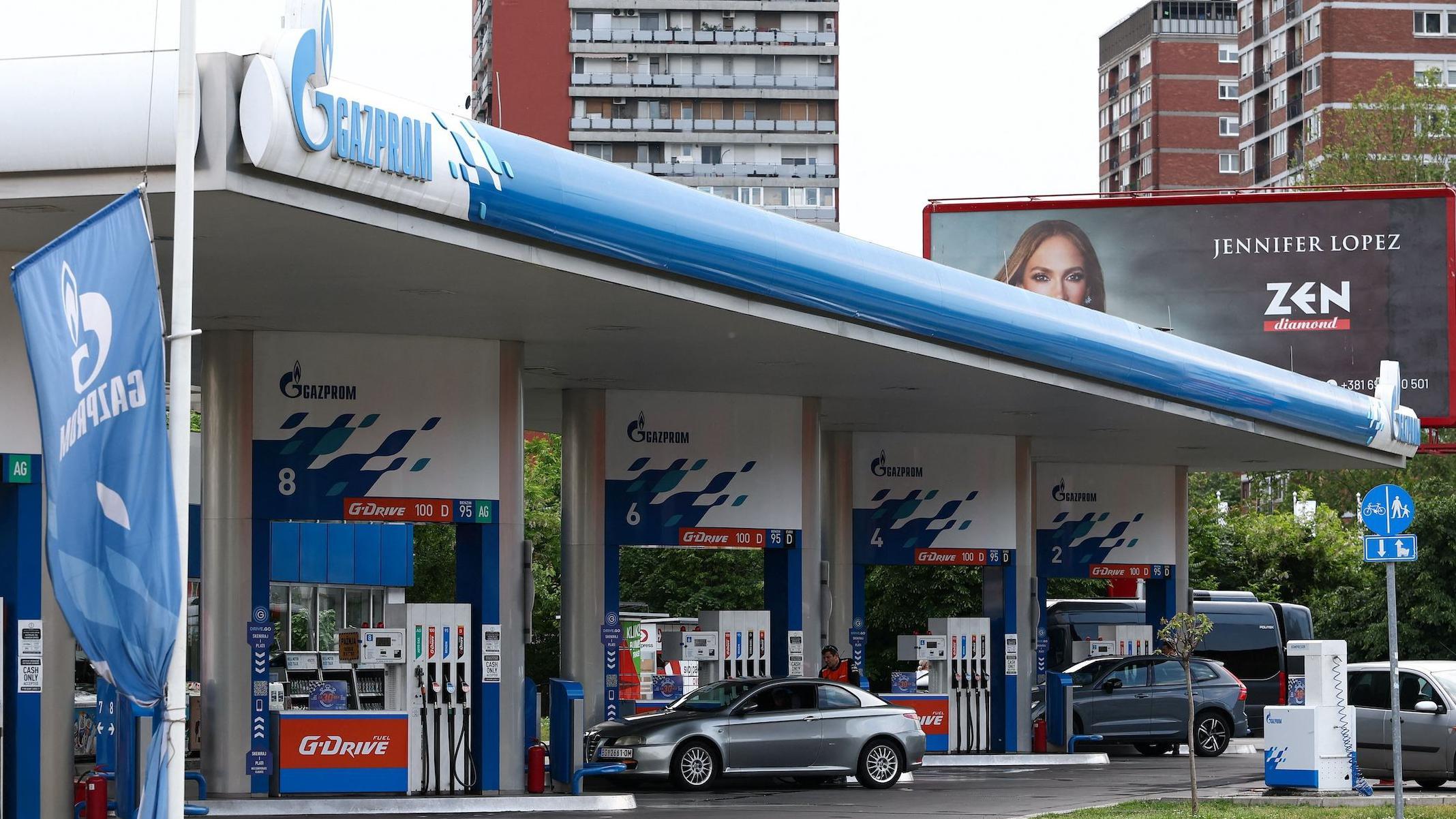
What are MOL and the State of Serbia negotiating about?
The Government of Serbia previously announced that it was not satisfied with the Hungarian oil company’s offer on the conditions for the takeover.
The main stumbling block is the future operation of the refinery in Pancevo, the Minister of Energy Dubravka Đedović Handanović said earlier.
America is in October 2025. introduced the long-announced sanctions against the NISand several times until now the deadline by which the Serbian company, on which the entire Serbian economy depends, should “get rid” of Russian ownership, has been postponed.
The sanctions against NIS are part of wider measures aimed at the Russian energy sector due to the war in Ukraine.
In addition to MOL, a little-known Serbian company appeared as an interested buyer KFT Senator Treasury GT7 Dva DOOin owned by businessman Ranko Mimovićwhich offered $2.3 billion for 56 percent ownership in NIS.
That’s one billion more than MOL, and the Russians accepted it in principle, he said.
Gazpromneft is “actively preparing to sell its stake in NIS to MOL and not to negotiate with anyone else”, the Tass agency reported.
Bogoljub KarićSerbian businessman, politician and president of the Association of Entrepreneurs and Industrialists, also sent an initiative to NIS, as well as to the presidents of Serbia and Russia, Aleksandar Vučić and Vladimir Putin, about the purchase of the company’s shares.
However, it was not announced whether he approached Gazpromneft, as the seller, or OFAK, which would have to approve it.
(Non)License renewal – what does it mean?
OFAK has issued two licenses for NIS – one relates to sales negotiations, and the other is an operational license for work, which is valid until June 16.
These two permits are closely related, Lukić said.
If the license for negotiations were to cease to be valid, the operational license for the work of NIS could also be called into question. he said professor for RTS.
If OFAK did not extend the license for negotiations, it would not automatically mean that MOL’s purchase of the Russian stake failed, Holoda told the BBC in Serbian earlier.
“Nevertheless, it would be a serious negative signal and could increase the legal, financial and operational uncertainty of NIS,” adds the Hungarian energy expert who has worked in managerial positions at MOL for almost two decades.
The future of the oil company “depends not only on commercial negotiations, but also on compliance with sanctions, access to financing, logistics of crude oil supply and the ability to operate without creating legal risks for its partners,” he pointed out.
When the US sanctions were introduced in October, the refinery in Pancevo, on which the whole of Serbia depends, was left without an inflow of crude oil, while uncertainty about the country’s energy security hung in the air for weeks.
The Hungarian expert does not rule out the possibility of negotiations in a “new form or transitional solutions”.
“In strategically important cases like this one, if there is political will, the parties often try to find alternative structures, additional guarantees or reopen negotiations later.
“However, without extending the OFAK license, the process would become significantly more complicated and risky,” he concludes.
MOL and refinery in Pancevo
The use and processing of oil in refineries is the basis of energy security and regular supply of all consumers of a country, and therefore of Serbia, he said earlier Ljubinko Savić, secretary of the Energy Association of the Serbian Chamber of Commerce (PKS), for the BBC in Serbian.
Refinery in Pancevo and NIS as a system also bring a large part of budget revenue, explained the honorary president of the Union of Employers of Serbia, Nebojša Atanacković.
“The Hungarian side is able to satisfy this market with the capacities of the refinery in Budapest.”
“It seems to me that there are certain dangers here now and I think more and more that it will not be a safe job in the future”, he said Atanacković for Insider.
The problems with MOL coincided with the change of government in Hungary, where there were elections Vučić’s longtime ally Viktor Orban lost.
Vučić, however, claims that this has no effect on the negotiations.
“I don’t know if it complicated any other relations. Not the relations with Serbia.”
“I spoke with Peter Magyar (the new Hungarian Prime Minister) and relations are correct,” Vučić told RTS earlier.
BBC is in Serbian from now on and on YouTube, follow us HERE.
Follow us on Facebook, Twitter, Instagram, YouTube and Viber. If you have a topic suggestion for us, please contact us (email protected)