This chronic disease affects a significant proportion of women.
Awareness: The first general public meeting dedicated to lipedema, organized by the Moroccan Society of Lipedema and Associated Pathologies, aims to raise awareness of this little-known chronic disease, encourage early diagnosis and improve patient care.
On the occasion of International Lipedema Day, the Moroccan Association of Lipedema and Associated Diseases organized, on June 10, 2026 in Casablanca, a meeting to raise awareness of this disease. Lipedema is a chronic disease which affects a significant proportion of women, but which remains insufficiently known and insufficiently diagnosed, in particular because of its frequent confusion with obesity or other health disorders, which delays the treatment of patients. The founding president of the Moroccan Association of Lipedema and Associated Diseases, Dr Fahd Benslimane, indicated that this disease affects between 1 in 9 and 1 in 5 women in the world and yet less than 5% of doctors know how to identify it.
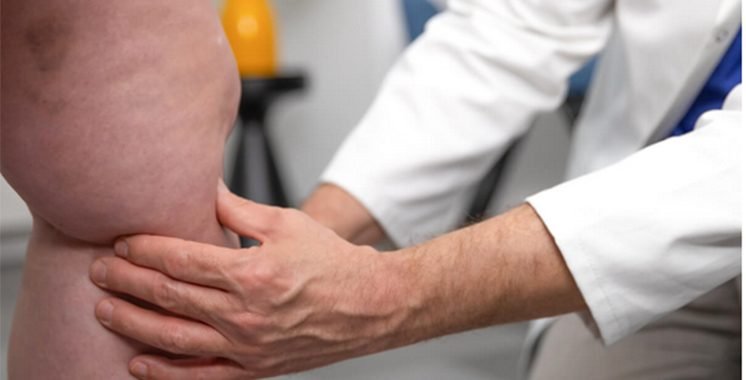
Patients wait on average 10 to 18 years before a diagnosis, and nearly one in two develop depression in the meantime. The specialist explained that it is a chronic disease of fatty tissue, almost exclusively female, characterized by a painful and symmetrical accumulation of fat on the legs and hips, resistant to diet, sport and bariatric surgery. Its causes are biological: genetic (60 to 80% of cases are familial), hormonal (puberty, pregnancy, menopause) and inflammatory. Recent work has identified its molecular signatures for the first time, paving the way for targeted treatments. According to Dr. Benslimane, the symptoms of lipedema most often appear at puberty and can worsen during pregnancy or under the influence of hormonal changes that women experience at different stages of their life, until menopause.
Regarding the diagnosis, the president of the association stressed that among the main signs that should lead to a medical consultation are chronic pain or the feeling of heaviness in the legs, as well as disproportionate swelling and the frequent appearance of bruising, emphasizing the importance of clinical examination and ultrasound in order to rule out other pathologies and establish a precise diagnosis. The specialist noted that Morocco currently has no precise official statistics on the number of women suffering from this disease. Data collected from several countries show that this disease is more widespread than generally thought.
For his part, Dr Karim Benjelloun, anesthesiologist-resuscitator, nutritionist and treasurer of the association, highlighted that a 2025 study showed that women with lipoedematous have a significantly high dietary inflammatory index. And therefore, changing their diet reduces these inflammatory markers, independent of any weight loss. The first randomized controlled trial on nutrition in lipoedema, published in the journal Obesity in 2024, demonstrated a significant reduction in pain and improvement in quality of life after 12 weeks. 78% of patients on a low-carbohydrate diet were responders.