3 min readUpdated: Jun 29, 2026 09:49 AM IST
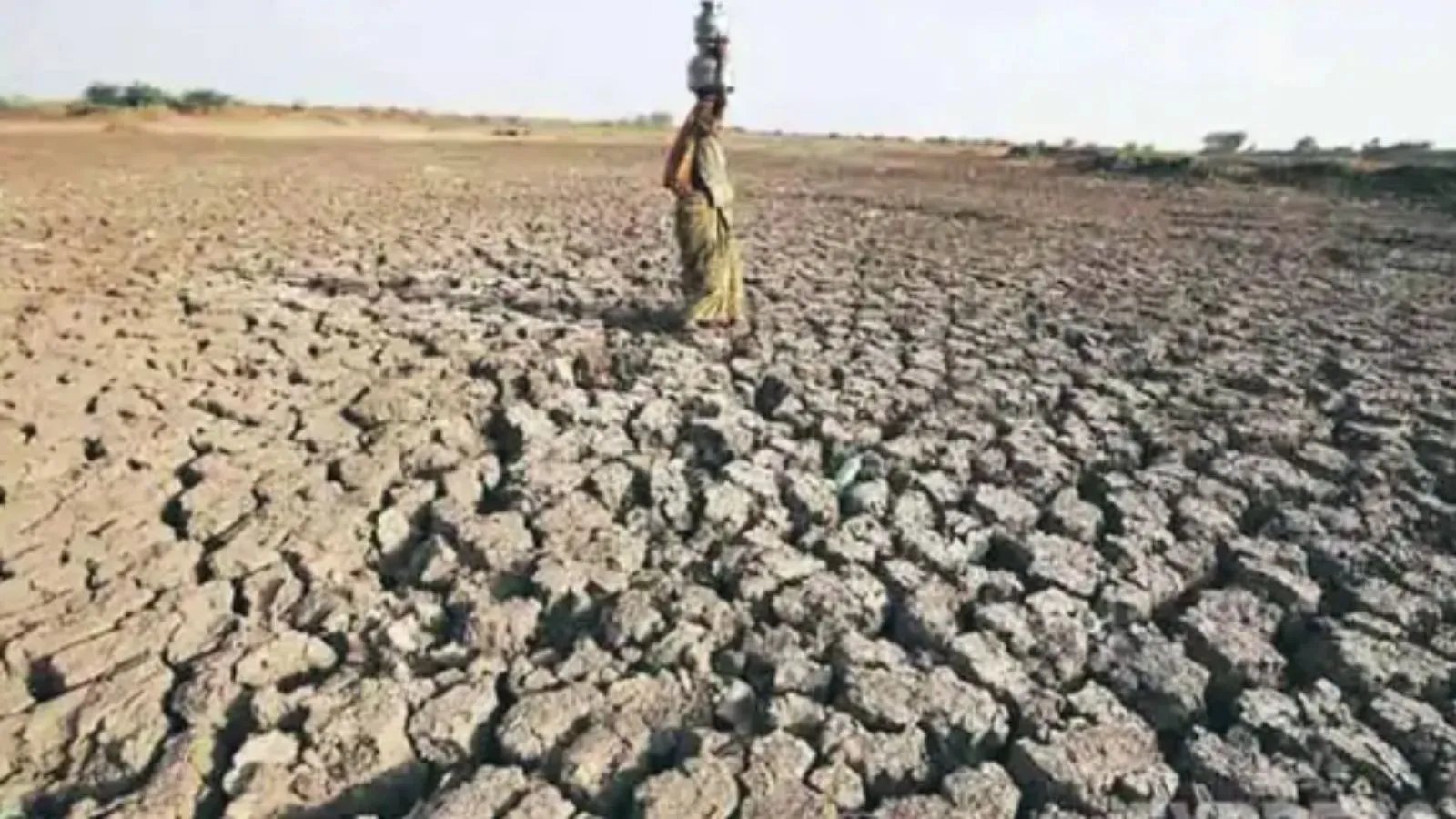
With more than 43 per cent deficit, and just two more days remaining, this month of June is now quite likely to emerge as one of the driest ever.
June, the first month of the monsoon season, is expected to bring about 165.3 mm of rainfall, which is the long-period average, for the country as a whole. Since 1901, since when rainfall records for India are available, there have been only four years when the June rainfall has been below 100 mm — 1905, 1926, 2009 and 2014. The driest June was in 2009 when India received just 87.5 mm rainfall.

This year, until Sunday, the country has recorded only 85.2 mm rainfall.
Such a large deficit for June is likely to force a reassessment of the seasonal forecast. The India Meteorological Department (IMD) had predicted 92% rainfall for June, and 90% for the four-month monsoon season. The remaining months are likely to get impacted by the El Nino which is yet to reach its peak, and is continuing to gain in strength.
Three of the four years which saw June rainfall below 100 mm — 1926, 2009 and 2014 — were also affected by El Nino. However, in 1926, the seasonal rainfall overcame the June deficit and ended up being 11% more than normal. In 2009 and 2014, seasonal rainfall was below 90%.
As has been reported by The Indian Express, El Nino had a marginal role to play in suppressing June rain. The ocean-atmospheric interaction in the Pacific Ocean that affects weathers around the world had emerged around the first week of June, but its impact over the Indian region will become evident after some time.
The subdued rain in June could be attributed to other reasons, both local as well as global. For most days of the month, monsoonal winds remained largely weak. After monsoon onset over Kerala on June 4, its progress remained stalled during June 8 – 15, and picked up only after June 18. Besides, the Madden Julian Oscillation (MJO) — a rain-bearing cloud system moving in the equatorial region — was not in the favourable phase to support the monsoons. Dry northerly winds that prevailed there dominated over the region and prevented the weak monsoon winds from advancing.
Story continues below this ad
The monsoon advance over Delhi and major parts of north India remains delayed and is expected now in early July.
Importantly, late-May and June remained devoid of any low pressure systems or cyclones in the North Indian Ocean Basin. Cyclones or low pressure systems that form in the late pre-monsoon period often bring along moisture and help the monsoon gain momentum during its onset and advance phase.
May happens to be one of the most cyclone-prone months for India. In the last few years, at least one major cyclone emerged every year in the Indian Ocean region in late May or early June — Remal in 2024, Mocha and Biparjoy in 2023, Asani in 2022, and Tauktae in 2021. In 2025 and 2026, there was no development of cyclonic storms in the pre-monsoon period.