Everyone who lives or visits Narsarsuaq and Kangerlussuaq, are tangible reminders of the history of the places.
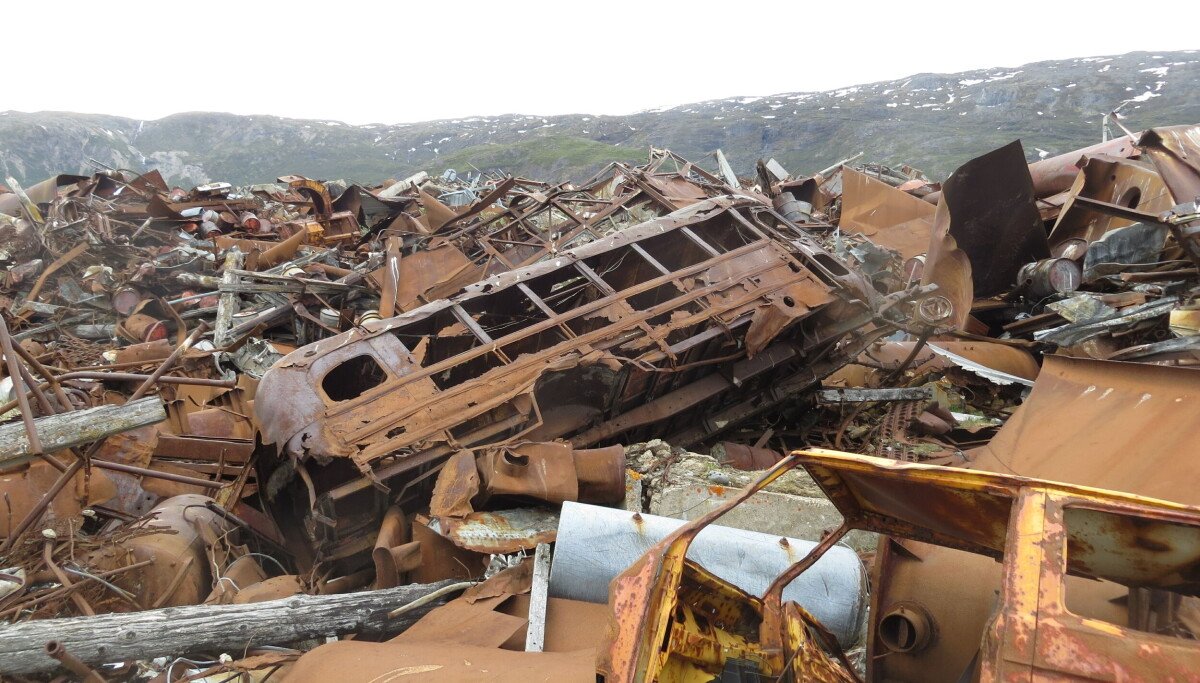
The US operated Narsarsuaq from 1941 to 1958 and Kangerlussuaq from 1941 to 1992, and in the middle of both settlements is still the American dump with lots of dirt and debris.
In 2018, Denmark decided to clean up the American bases in Greenland, but neither Narsarsuaq nor Kangerlussuaq is on the list of 17 specific locations, because the two settlements were active airports when the agreement was concluded eight years ago.
Everyone who lives or visits Narsarsuaq and Kangerlussuaq, are tangible reminders of the history of the places.
The US operated Narsarsuaq from 1941 to 1958 and Kangerlussuaq from 1941 to 1992, and in the middle of both settlements is still the American dump with lots of dirt and debris.
In 2018, Denmark decided to clean up the American bases in Greenland, but neither Narsarsuaq nor Kangerlussuaq is on the list of 17 specific locations, because the two settlements were active airports when the agreement was concluded eight years ago.
And Narsarsuaq and Kangerlussuaq risk getting another American dump.
The US has pointed to Narsarsuaq, Kangerlussuaq and perhaps Pituffik as places where the US military will establish new bases. Naalakkersuisoq for foreign affairs Múte B. Egede tells Sermitsiaq that nothing has been decided about new bases in Greenland, but the American and Danish military as well as the departments for foreign affairs and for housing and infrastructure have visited Nasarsuaq on a so-called site survey, in Danish, probably almost a location survey.
The American defense should be particularly interested in the condition of the runway and the hotel after the opening of the airport in Qaqortoq, but also the depth and water conditions around the port.
Fear of pollution
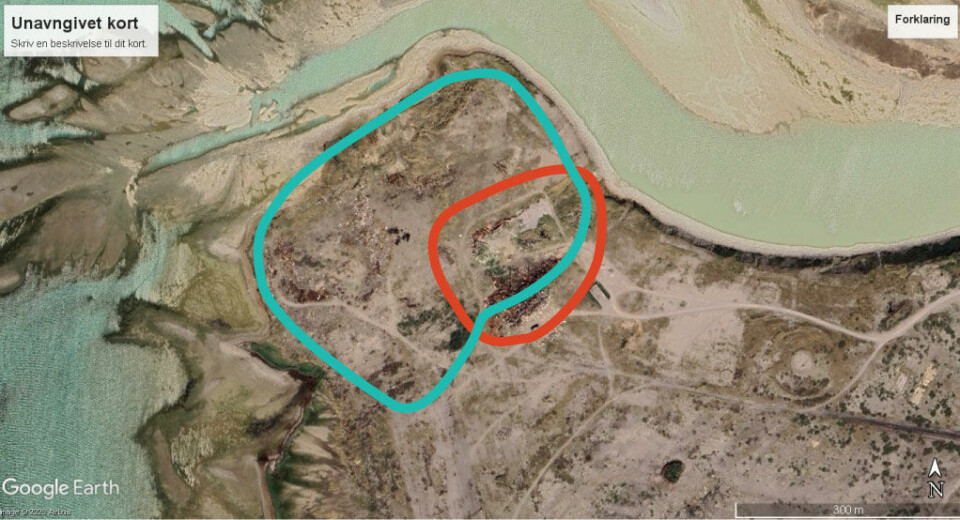
But before a new American landfill opens, there is something about the old landfill that still causes concern in the settlement. The challenge of a clean-up is that waste after 1958, when the state and then the home rule and self-rule operated the airport, has been transferred to the old American dump. Waste from American, Danish and Greenlandic users is therefore mixed together. Landfills have today ended up being a municipal matter, and there are no current plans for a clean-up in Narsarsuaq.
– The Americans left quite a lot of things in the dump and on the base itself. A lot has actually been beneficial, including cars, useful things and wooden buildings, but there is also a lot that we could have done without, including asbestos and oil seepage from oil tanks, says Narsarsuaq’s museum manager Ole Guldager to Sermitsiaq.
– What do the settlement’s inhabitants say to an American dump as a neighbour?
– We are talking about the dump, and we are particularly disappointed that the asbestos contamination is not investigated. Researchers from Aarhus University have demonstrated significant pollution in Hospitalsdalen, and these samples were sent to both the municipality and the self-government six to seven years ago. Nothing happened and we never got an answer. I believe that the authorities owe it to the people who live in Narsarsuaq to at least investigate the extent of the pollution. You cannot be familiar with anything else, says Ole Guldager.
Tread carefully
The defense agreement of 1951 between Denmark and the USA on the defense of Greenland expressly states that the Americans cannot be held responsible for the environment on their abandoned bases such as Narsarsuaq and Kangerlussuaq.
Since January, a working group consisting of Denmark, Greenland and the USA has been negotiating a possible revision of the 75-year-old defense agreement.
– Should Denmark and Greenland demand an American environmental responsibility inscribed in a new defense agreement, or should we bow our heads in the hope of preserving the 1951 agreement without further American demands?
– It is difficult to know exactly where the discussion stands in the working group today. I simply don’t know anything about that, but with the president they have in the USA, and with the pressure that has been placed on us, it is difficult to make too many demands in the working group. To use Donald Trump’s parlance: He holds all the cards in his hand. We have no interest in things getting worse than they already are today. Therefore, it must be even smarter to avoid getting into a situation where we have to choose between ducking our necks or having our heads shot off. We should rather negotiate our way into a situation where future environmental pollution will not be a problem, says Associate Professor at the Defense Academy Peter Viggo Jakobsen to Sermitsiaq.
– How do we avoid it?
– It would be optimal from a Danish and Greenlandic point of view that, when establishing new bases, one also ensures that things are handled properly and in a more environmentally conscious manner. If Denmark and Greenland are involved in new bases, then things can also be built today in a way that does not leave behind the same environmental rubbish as during the Cold War. How much one dares to stand by this demand from the Danish/Greenlandic side is ultimately a strategic question. When Denmark has to spend five percent of its gross domestic product on defense-related activities, a pool could well be set aside for the environment in Greenland to ensure that things get done – without challenging the USA. But that is not the same as saying that the environmental issue must not be played into the negotiations, says Peter Viggo Jakobsen.