Monday, May 4, 2026
    The GeoStrategic Consensus
    No Result
    View All Result
    • Login
    • HOME
    • AMERICAS
      • Argentina
      • Brazil
      • Canada
      • Chile
      • Colombia
      • Costa Rica
      • Cuba
      • Dominican Republic
      • Ecuador
      • El Salvador
      • Greenland
      • Guatemala
      • Honduras
      • Mexico
      • Nicaragua
      • Panama
      • Paraguay
      • Peru
      • United States
      • Uruguay
      • Venezuela
    • ASIA-PACIFIC
      • Australia
      • Brunei Darussalam
      • Cambodia
      • China
      • Federated States of Micronesia
      • Fiji
      • Indonesia
      • Japan
      • Kiribati
      • Laos
      • Malaysia
      • Marshall Islands
      • Mongolia
      • Myanmar
      • Nauru
      • New Zealand
      • North Korea
      • Palau
      • Papua New Guinea
      • Philippines
      • Samoa
      • Singapore
      • Solomon Islands
      • South Korea
      • Taiwan
      • Thailand
      • Timor-Leste
      • Tonga
      • Tuvalu
      • Vanuatu
      • Vietnam
    • CARICOM
      • CARICOM – Non-English
        • Haiti
        • Suriname
      • CARICOM Associates
        • Anguilla
        • Bermuda
        • British-Virgin-Islands
        • Cayman-Islands
        • Curacao
        • Turks-and-Caicos
      • CARICOM English
        • Antigua and Barbuda
        • Barbados
        • Belize
        • Dominica
        • Grenada
        • Guyana
        • Jamaica
        • Montserrat
        • Saint Kitts and Nevis
        • Saint Lucia
        • Saint Vincent and the Grenadines
        • The Bahamas
        • Trinidad and Tobago
    • EURASIA
      • Armenia
      • Azerbaijan
      • Balarus
      • Georgia
      • Kazakhstan
      • Kyrgyzstan
      • Moldova
      • Russia
      • Tajikistan
      • Turkmenistan
      • Ukraine
      • Uzbekistan
    • EUROPE
      • Albania
      • Andorra
      • Austria
      • Bosnia and Herzegovina
      • Bulgaria
      • Croatia
      • Cyprus
      • Czech Republic
      • Denmark
      • Estonia
      • Finland
      • France
      • Germany
      • Greece
      • Holy See
      • Hungary
      • Iceland
      • Ireland
      • Italy
      • Kosovo
      • Latvia
      • Liechtenstein
      • Lithuania
      • Luxembourg
      • Malta
      • Monaco
      • Montenegro
      • Netherlands
      • North Macedonia
      • Norway
      • Poland
      • Portugal
      • Romania
      • San Marino
      • Serbia
      • Slovakia
      • Slovenia
      • Spain
      • Sweden
      • Switzerland
      • United Kingdom
    • MIDDLE EAST AND NORTH AFRICA
      • Algeria
      • Bahrain
      • Egypt
      • Iran
      • Iraq
      • Israel
      • Jordan
      • Kuwait
      • Lebanon
      • Lybia
      • Morocco
      • Oman
      • Palestinian Territories
      • Qatar
      • Saudi Arabia
      • Syria
      • Tunisia
      • Turkey
      • United Arab Emirates
      • Western Sahara
      • Yemen
    • SOUTH ASIA
      • Afghanistan
      • Bangladesh
      • Bhutan
      • India
      • Maldives
      • Nepal
      • Pakistan
      • Sri Lanka
    • SUB-SAHARAN AFRICA
      • Angola
      • Benin
      • Botswana
      • Burkina Faso
      • Burundi
      • Cabo Verde
      • Cameroon
      • Central African Republic
      • Chad
      • Comoros
      • Cote d’Ivoire
      • Democratic Republic of the Congo
      • Djibouti
      • Equatorial Guinea
      • Eritrea
      • Eswatini
      • Ethiopia
      • Gabon
      • Gambia
      • Ghana
      • Guinea
      • Guinea Bissau
      • Kenya
      • Lesotho
      • Liberia
      • Madagascar
      • Malawi
      • Mali
      • Mauritania
      • Mauritius
      • Mozambique
      • Namibia
      • Niger
      • Nigeria
      • Republic of the Congo
      • Rwanda
      • Sao Tome and Principe
      • Senegal
      • Seychelles
      • Sierra Leone
      • Somalia
      • South Africa
      • South Sudan
      • Sudan
      • Tanzania
      • Togo
      • Uganda
      • Zambia
      • Zimbabwe
    • HOME
    • AMERICAS
      • Argentina
      • Brazil
      • Canada
      • Chile
      • Colombia
      • Costa Rica
      • Cuba
      • Dominican Republic
      • Ecuador
      • El Salvador
      • Greenland
      • Guatemala
      • Honduras
      • Mexico
      • Nicaragua
      • Panama
      • Paraguay
      • Peru
      • United States
      • Uruguay
      • Venezuela
    • ASIA-PACIFIC
      • Australia
      • Brunei Darussalam
      • Cambodia
      • China
      • Federated States of Micronesia
      • Fiji
      • Indonesia
      • Japan
      • Kiribati
      • Laos
      • Malaysia
      • Marshall Islands
      • Mongolia
      • Myanmar
      • Nauru
      • New Zealand
      • North Korea
      • Palau
      • Papua New Guinea
      • Philippines
      • Samoa
      • Singapore
      • Solomon Islands
      • South Korea
      • Taiwan
      • Thailand
      • Timor-Leste
      • Tonga
      • Tuvalu
      • Vanuatu
      • Vietnam
    • CARICOM
      • CARICOM – Non-English
        • Haiti
        • Suriname
      • CARICOM Associates
        • Anguilla
        • Bermuda
        • British-Virgin-Islands
        • Cayman-Islands
        • Curacao
        • Turks-and-Caicos
      • CARICOM English
        • Antigua and Barbuda
        • Barbados
        • Belize
        • Dominica
        • Grenada
        • Guyana
        • Jamaica
        • Montserrat
        • Saint Kitts and Nevis
        • Saint Lucia
        • Saint Vincent and the Grenadines
        • The Bahamas
        • Trinidad and Tobago
    • EURASIA
      • Armenia
      • Azerbaijan
      • Balarus
      • Georgia
      • Kazakhstan
      • Kyrgyzstan
      • Moldova
      • Russia
      • Tajikistan
      • Turkmenistan
      • Ukraine
      • Uzbekistan
    • EUROPE
      • Albania
      • Andorra
      • Austria
      • Bosnia and Herzegovina
      • Bulgaria
      • Croatia
      • Cyprus
      • Czech Republic
      • Denmark
      • Estonia
      • Finland
      • France
      • Germany
      • Greece
      • Holy See
      • Hungary
      • Iceland
      • Ireland
      • Italy
      • Kosovo
      • Latvia
      • Liechtenstein
      • Lithuania
      • Luxembourg
      • Malta
      • Monaco
      • Montenegro
      • Netherlands
      • North Macedonia
      • Norway
      • Poland
      • Portugal
      • Romania
      • San Marino
      • Serbia
      • Slovakia
      • Slovenia
      • Spain
      • Sweden
      • Switzerland
      • United Kingdom
    • MIDDLE EAST AND NORTH AFRICA
      • Algeria
      • Bahrain
      • Egypt
      • Iran
      • Iraq
      • Israel
      • Jordan
      • Kuwait
      • Lebanon
      • Lybia
      • Morocco
      • Oman
      • Palestinian Territories
      • Qatar
      • Saudi Arabia
      • Syria
      • Tunisia
      • Turkey
      • United Arab Emirates
      • Western Sahara
      • Yemen
    • SOUTH ASIA
      • Afghanistan
      • Bangladesh
      • Bhutan
      • India
      • Maldives
      • Nepal
      • Pakistan
      • Sri Lanka
    • SUB-SAHARAN AFRICA
      • Angola
      • Benin
      • Botswana
      • Burkina Faso
      • Burundi
      • Cabo Verde
      • Cameroon
      • Central African Republic
      • Chad
      • Comoros
      • Cote d’Ivoire
      • Democratic Republic of the Congo
      • Djibouti
      • Equatorial Guinea
      • Eritrea
      • Eswatini
      • Ethiopia
      • Gabon
      • Gambia
      • Ghana
      • Guinea
      • Guinea Bissau
      • Kenya
      • Lesotho
      • Liberia
      • Madagascar
      • Malawi
      • Mali
      • Mauritania
      • Mauritius
      • Mozambique
      • Namibia
      • Niger
      • Nigeria
      • Republic of the Congo
      • Rwanda
      • Sao Tome and Principe
      • Senegal
      • Seychelles
      • Sierra Leone
      • Somalia
      • South Africa
      • South Sudan
      • Sudan
      • Tanzania
      • Togo
      • Uganda
      • Zambia
      • Zimbabwe
    No Result
    View All Result
    Agentially
    No Result
    View All Result
    Home AMERICAS Peru

    Iran | Donald Trump threatens to bomb Iranian energy infrastructure and bridges: could it be a war crime? | United States | Israel

    The Analyst by The Analyst
    April 9, 2026
    in Peru
    Iran | Donald Trump threatens to bomb Iranian energy infrastructure and bridges: could it be a war crime? | United States | Israel


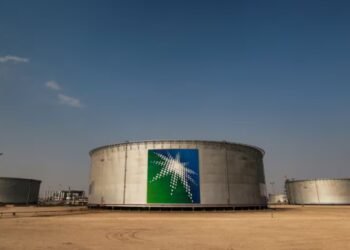
    The threats of the president of the United States, donald trumpto attack bridges and power plants in Iran have raised alarm bells not only because of the risk of a military escalation throughout the Middle Eastbut also for its legal implications and whether or not that action constitutes war crimes. Can the attack on energy infrastructure be justified due to its strategic value or would it be a form of pressure that indirectly punishes millions of civilians?

    Trump reiterated his threat to destroy civilian infrastructure in Iran on Mondaysuch as bridges and power plants, if the Strait of Hormuz is not reopened on the night of Tuesday, April 7. He assured that the Islamic Republic will return to the “stone age.”

    SEE ALSO: The key role of the CIA that defined the success of the daring rescue of the pilot of the F-15 shot down by Iran

    The Republican said that “The entire country could be wiped out in one night.”

    US President Donald Trump speaks about the conflict in Iran in the James S. Brady Press Briefing Room of the White House, April 6, 2026. (Photo by Brendan SMIALOWSKI / AFP).

    US President Donald Trump speaks about the conflict in Iran in the James S. Brady Press Briefing Room of the White House, April 6, 2026. (Photo by Brendan SMIALOWSKI / AFP).

    / BRENDAN SMIALOWSKI

    On Tuesday morning, Trump warned Iran that “an entire civilization will die tonight, never to return.”

    “I don’t want that to happen, but it’s likely to happen… WHO KNOWS? We’ll find out tonight, at one of the most important moments in the world’s long and complex history,” held.

    Trump's new ultimatum to Iran. (EFE).

    Trump’s new ultimatum to Iran. (EFE).

    Could what Trump announced be a war crime? In international humanitarian law, the short answer is: depends on the context. Not every attack on energy infrastructure or bridges is automatically a war crime, but can be if you violate certain key rules.

    According to the Geneva Conventions and its protocols, can only be attacked military objectives. Attacking is prohibited civil property. A bridge or a power plant can become a legitimate military objective if they are used to move troops or weapons or if they directly support military operations (for example, power supply to military bases). In that case, the attack It wouldn’t be a war crimein principle.

    The principle of proportionality must also be taken into account. Even if the target is military, another key criterion comes into play: the attack must not cause excessive civil damage in relation to the military advantage obtained. For example, destroying a key bridge for the enemy may be legal, but if it leaves thousands of civilians without food or evacuation, it could be considered disproportionate and potential war crime.

    International law especially protects essential goods for the civilian population, such as electricity, water and food.

    If a power plant is destroyed with the aim of depriving civilians of basic servicescould violate international law.

    Trump’s threats follow historic war doctrine

    The B1 bridge a day after its destruction by a US attack in Karaj, about 35 km southwest of Tehran, Iran, on April 3, 2026. (Photo by ATTA KENARE / AFP).

    The B1 bridge a day after its destruction by a US attack in Karaj, about 35 km southwest of Tehran, Iran, on April 3, 2026. (Photo by ATTA KENARE / AFP).

    / ATTA KENARE

    The international analyst Francesco Tucciprofessor of Political Science and International Relations at the UPC, holds The Commerce that the threats of trump They do not represent a new practice in the logic of modern war, but rather They respond to doctrines already applied by Washington in previous conflicts.

    “The United States has already used this type of strategy. In the 1991 Gulf War it applied the doctrine of rapid dominance, known as ‘strike and terrorize’, which included the destruction of infrastructure to weaken not only the armed forces, but also the morale of the population.”he explains.

    This image provided by CENTCOM on April 3, 2026 shows flight operations on the aircraft carrier USS Abraham Lincoln amid the war with Iran. (EFE/ CENTCOM).

    This image provided by CENTCOM on April 3, 2026 shows flight operations on the aircraft carrier USS Abraham Lincoln amid the war with Iran. (EFE/ CENTCOM).

    Along these lines, remember that in the invasion of Iraq In 2003, power plants and other key facilities were destroyed, generating a widespread collapse without this leading to widespread accusations of war crimes against the coalition led by Washington.

    For Tucci, this background is key to understanding the current debate: “The destruction of infrastructure is hardly a war crime, although it clearly impacts the civilian population”. According to the specialist, this is because these are not, in principle, attacks directed directly against civilians, but rather “instrumental” actions aimed at weakening the military capacity of the adversary.

    However, he warns that the underlying problem is broader, as he states that The United States has already crossed the legal line by launching this preventive war.

    “The violation of international law is prior”he says, questioning the legal basis of the conflict. In that sense, emphasizes that the so-called “preventive war” – an argument used in different interventions – is not recognized in the international legal frameworkwhich only contemplates the use of force in cases of legitimate defense or with authorization from the UN Security Council.

    Drones launched against US targets at Saudi Arabia's Al-Kharj base and Kuwait's Al-Adiri base. (Photo by IRIB NEWS AGENCY / AFP).

    Drones launched against US targets at Saudi Arabia’s Al-Kharj base and Kuwait’s Al-Adiri base. (Photo by IRIB NEWS AGENCY / AFP).

    / –

    Tucci warns that a possible offensive against Iranian infrastructure could rapidly escalate the conflict in the Middle East and warns that Iran maintains responsiveness.

    “It has not been completely neutralized. There are estimates that indicate that it still retains a significant part of its missile arsenal,” he points out, while mentioning the use of drones, ballistic missiles and maintaining the closure of the Strait of Hormuz as part of his strategy.

    “Iran’s resistance capacity has been underestimated”concludes the analyst, who anticipates an uncertain scenario: Trump’s threats could remain in the realm of deterrence, but if they materialize, the conflict could enter a phase of greater intensity and unforeseeable regional consequences.

    Leaving civilians without electricity could be a war crime

    This satellite image taken by 2026 Planet Labs PBC shows a view of Iran's Kharg Island, which is home to the country's main oil export terminal and is responsible for the vast majority of its crude oil shipments to the world. (Photo by 2026 Planet Labs PBC / AFP).

    This satellite image taken by 2026 Planet Labs PBC shows a view of Iran’s Kharg Island, which is home to the country’s main oil export terminal and is responsible for the vast majority of its crude oil shipments to the world. (Photo by 2026 Planet Labs PBC / AFP).

    / –

    READ ALSO

    Acusaciones de inversionistas contra el “Miami Beach Peruano” salen a la luz: denuncian incumplimiento de contratos

    Elections 2026 President of Confiep: “There have been irregularities, but we cannot affirm that there has been fraud” latest

    For his part, the international analyst Francisco Belaunde Matossian warns The Commerce yes trump complies with its threats, a complex debate opens about the limits of international humanitarian law and the risk of directly affecting the civilian population.

    “In war, only military objectives can be attacked.. Attacking civilians is a war crime. and leaving it without electricity could also constitute it, because it is an indirect way of affecting it.”he explains. In this sense, he points out that Any action that does not have a clear military objective could be considered a violation of international law.

    However, Belaunde acknowledges that The United States could justify these attacks under the argument that it is dual-use infrastructure. “Bridges can be used to transport troops or weapons, and energy sources also feed the armed forces. That would be the argument”he maintains. However, He questions whether this military use justifies the impact on the civilian population, which would end up deprived of basic services and mobility.

    The specialist also emphasizes that, although theoretically these attacks could be considered war crimes, In practice, there are few clear precedents for condemnations for the destruction of civil infrastructure. “There have been cases of bombings of infrastructure, such as in Lebanon in 2006, but I do not remember specific sentences for destroying bridges or facilities. The sanctions have been more for murders of civilians or destruction of cultural heritage”precise.

    Beyond the legal level, Belaunde questions the political impact of Trump’s statements. “He himself has said that he is not interested in international law and that the only thing that can limit his actions is his own morality. “This reflects a weakening of international humanitarian law by the current administration.”he states.

    A woman walks past mockups of Iranian missiles in Valiasr Square in Tehran, Iran, on April 6, 2026. (Photo by ATTA KENARE / AFP).

    A woman walks past mock-ups of Iranian missiles in Valiasr Square in Tehran, Iran, on April 6, 2026. (Photo by ATTA KENARE / AFP).

    / ATTA KENARE

    Finally, the analyst warns about the possible consequences of an escalation. If the United States carries out attacks against Iranian infrastructure, it warns that Tehran has the capacity to respond and could hit energy facilities throughout the region. “A drone or missile always leaks, even with advanced defense systems. We have already seen damage to gas installations,” points out.

    According to Belaunde, a scenario of crossed attacks on energy infrastructure could trigger a global crisis. “If oil and gas production in the region is interrupted, we could face a crisis even worse than that of 1973,” warns, with possible direct effects on economies dependent on energy imports such as Peru.


    Source link

    Related Posts

    Acusaciones de inversionistas contra el “Miami Beach Peruano” salen a la luz: denuncian incumplimiento de contratos
    Peru

    Acusaciones de inversionistas contra el “Miami Beach Peruano” salen a la luz: denuncian incumplimiento de contratos

    May 4, 2026
    Elections 2026 President of Confiep: “There have been irregularities, but we cannot affirm that there has been fraud” latest
    Peru

    Elections 2026 President of Confiep: “There have been irregularities, but we cannot affirm that there has been fraud” latest

    May 4, 2026
    OPEC+ agrees to increase its crude oil production from June amid tensions and internal changes
    Peru

    OPEC+ agrees to increase its crude oil production from June amid tensions and internal changes

    May 3, 2026
    Congress receives Minister of Education Marí Cuadros tomorrow, Monday the 4th, due to the Pronabec crisis
    Peru

    Congress receives Minister of Education Marí Cuadros tomorrow, Monday the 4th, due to the Pronabec crisis

    May 3, 2026
    San Martín de Porres: textile businessman stabbed to death during robbery
    Peru

    San Martín de Porres: textile businessman stabbed to death during robbery

    May 3, 2026
    Back me up, for example, a chronicle by Fernando Vivas about the first party approaches after the elections Elections 2026 Bicameral Congress TLCNOTA
    Peru

    Back me up, for example, a chronicle by Fernando Vivas about the first party approaches after the elections Elections 2026 Bicameral Congress TLCNOTA

    May 3, 2026
    Next Post
    Sabogal: 74-year-old patient cannot access exams due to lack of latest CT scanner

    Sabogal: 74-year-old patient cannot access exams due to lack of latest CT scanner

    POPULAR NEWS

    Justin Bieber fans flood Coachella festival for headlining show – Entertainment

    Justin Bieber fans flood Coachella festival for headlining show – Entertainment

    April 20, 2026

    Over 600 flee homes as Army, NPA clash in Negros Occidental

    April 21, 2026

    Ex-DPWH exec recalls P800-M ‘delivery’ to Zaldy Co 

    April 20, 2026

    Former PM Paluckas suspends party membership, to waive immunity over criminal probe

    April 24, 2026
    Pres. Ali challenges CARICOM to transform into health research powerhouse

    Pres. Ali challenges CARICOM to transform into health research powerhouse

    April 23, 2026

    EDITOR'S PICK

    The ports discuss with the regional delegation unification of customs procedures

    The ports discuss with the regional delegation unification of customs procedures

    April 30, 2026
    Markoesate growers receive practical training in Saramacca after the launch of the Outgrowers project – de Ware Tijd

    Markoesate growers receive practical training in Saramacca after the launch of the Outgrowers project – de Ware Tijd

    April 30, 2026
    Social representatives weigh in: Positive points and major gaps in social climate plan

    Social representatives weigh in: Positive points and major gaps in social climate plan

    May 3, 2026
    The Friday difference – iWitness News

    The Friday difference – iWitness News

    April 28, 2026

    Recent Posts

    • A 38-year-old farmer died under a forklift
    • Ranking Culinary compass: where are the best fish restaurants in Slovenia
    • The largest in its history.. “Etoza” launches 30 new lines
    • Remembrances of sleep.. Praise be to God who revived us after He caused us to die, and to Him is the resurrection

      © 2026 Agentially - Navigating shifting sovereignties and global risk .

      Welcome Back!

      Login to your account below

      Forgotten Password?

      Retrieve your password

      Please enter your username or email address to reset your password.

      Log In
      No Result
      View All Result

        © 2026 Agentially - Navigating shifting sovereignties and global risk .

        This website uses cookies. By continuing to use this website you are giving consent to cookies being used. Visit our Privacy and Cookie Policy.