Monday, June 8, 2026
    The GeoStrategic Consensus
    No Result
    View All Result
    • Login
    • HOME
    • AMERICAS
      • Argentina
      • Brazil
      • Canada
      • Chile
      • Colombia
      • Costa Rica
      • Cuba
      • Dominican Republic
      • Ecuador
      • El Salvador
      • Greenland
      • Guatemala
      • Honduras
      • Mexico
      • Nicaragua
      • Panama
      • Paraguay
      • Peru
      • United States
      • Uruguay
      • Venezuela
    • ASIA-PACIFIC
      • Australia
      • Brunei Darussalam
      • Cambodia
      • China
      • Federated States of Micronesia
      • Fiji
      • Indonesia
      • Japan
      • Kiribati
      • Laos
      • Malaysia
      • Marshall Islands
      • Mongolia
      • Myanmar
      • Nauru
      • New Zealand
      • North Korea
      • Palau
      • Papua New Guinea
      • Philippines
      • Samoa
      • Singapore
      • Solomon Islands
      • South Korea
      • Taiwan
      • Thailand
      • Timor-Leste
      • Tonga
      • Tuvalu
      • Vanuatu
      • Vietnam
    • CARICOM
      • CARICOM – Non-English
        • Haiti
        • Suriname
      • CARICOM Associates
        • Anguilla
        • Bermuda
        • British-Virgin-Islands
        • Cayman-Islands
        • Curacao
        • Turks-and-Caicos
      • CARICOM English
        • Antigua and Barbuda
        • Barbados
        • Belize
        • Dominica
        • Grenada
        • Guyana
        • Jamaica
        • Montserrat
        • Saint Kitts and Nevis
        • Saint Lucia
        • Saint Vincent and the Grenadines
        • The Bahamas
        • Trinidad and Tobago
    • EURASIA
      • Armenia
      • Azerbaijan
      • Balarus
      • Georgia
      • Kazakhstan
      • Kyrgyzstan
      • Moldova
      • Russia
      • Tajikistan
      • Turkmenistan
      • Ukraine
      • Uzbekistan
    • EUROPE
      • Albania
      • Andorra
      • Austria
      • Bosnia and Herzegovina
      • Bulgaria
      • Croatia
      • Cyprus
      • Czech Republic
      • Denmark
      • Estonia
      • Finland
      • France
      • Germany
      • Greece
      • Holy See
      • Hungary
      • Iceland
      • Ireland
      • Italy
      • Kosovo
      • Latvia
      • Liechtenstein
      • Lithuania
      • Luxembourg
      • Malta
      • Monaco
      • Montenegro
      • Netherlands
      • North Macedonia
      • Norway
      • Poland
      • Portugal
      • Romania
      • San Marino
      • Serbia
      • Slovakia
      • Slovenia
      • Spain
      • Sweden
      • Switzerland
      • United Kingdom
    • MIDDLE EAST AND NORTH AFRICA
      • Algeria
      • Bahrain
      • Egypt
      • Iran
      • Iraq
      • Israel
      • Jordan
      • Kuwait
      • Lebanon
      • Lybia
      • Morocco
      • Oman
      • Palestinian Territories
      • Qatar
      • Saudi Arabia
      • Syria
      • Tunisia
      • Turkey
      • United Arab Emirates
      • Western Sahara
      • Yemen
    • SOUTH ASIA
      • Afghanistan
      • Bangladesh
      • Bhutan
      • India
      • Maldives
      • Nepal
      • Pakistan
      • Sri Lanka
    • SUB-SAHARAN AFRICA
      • Angola
      • Benin
      • Botswana
      • Burkina Faso
      • Burundi
      • Cabo Verde
      • Cameroon
      • Central African Republic
      • Chad
      • Comoros
      • Cote d’Ivoire
      • Democratic Republic of the Congo
      • Djibouti
      • Equatorial Guinea
      • Eritrea
      • Eswatini
      • Ethiopia
      • Gabon
      • Gambia
      • Ghana
      • Guinea
      • Guinea Bissau
      • Kenya
      • Lesotho
      • Liberia
      • Madagascar
      • Malawi
      • Mali
      • Mauritania
      • Mauritius
      • Mozambique
      • Namibia
      • Niger
      • Nigeria
      • Republic of the Congo
      • Rwanda
      • Sao Tome and Principe
      • Senegal
      • Seychelles
      • Sierra Leone
      • Somalia
      • South Africa
      • South Sudan
      • Sudan
      • Tanzania
      • Togo
      • Uganda
      • Zambia
      • Zimbabwe
    • HOME
    • AMERICAS
      • Argentina
      • Brazil
      • Canada
      • Chile
      • Colombia
      • Costa Rica
      • Cuba
      • Dominican Republic
      • Ecuador
      • El Salvador
      • Greenland
      • Guatemala
      • Honduras
      • Mexico
      • Nicaragua
      • Panama
      • Paraguay
      • Peru
      • United States
      • Uruguay
      • Venezuela
    • ASIA-PACIFIC
      • Australia
      • Brunei Darussalam
      • Cambodia
      • China
      • Federated States of Micronesia
      • Fiji
      • Indonesia
      • Japan
      • Kiribati
      • Laos
      • Malaysia
      • Marshall Islands
      • Mongolia
      • Myanmar
      • Nauru
      • New Zealand
      • North Korea
      • Palau
      • Papua New Guinea
      • Philippines
      • Samoa
      • Singapore
      • Solomon Islands
      • South Korea
      • Taiwan
      • Thailand
      • Timor-Leste
      • Tonga
      • Tuvalu
      • Vanuatu
      • Vietnam
    • CARICOM
      • CARICOM – Non-English
        • Haiti
        • Suriname
      • CARICOM Associates
        • Anguilla
        • Bermuda
        • British-Virgin-Islands
        • Cayman-Islands
        • Curacao
        • Turks-and-Caicos
      • CARICOM English
        • Antigua and Barbuda
        • Barbados
        • Belize
        • Dominica
        • Grenada
        • Guyana
        • Jamaica
        • Montserrat
        • Saint Kitts and Nevis
        • Saint Lucia
        • Saint Vincent and the Grenadines
        • The Bahamas
        • Trinidad and Tobago
    • EURASIA
      • Armenia
      • Azerbaijan
      • Balarus
      • Georgia
      • Kazakhstan
      • Kyrgyzstan
      • Moldova
      • Russia
      • Tajikistan
      • Turkmenistan
      • Ukraine
      • Uzbekistan
    • EUROPE
      • Albania
      • Andorra
      • Austria
      • Bosnia and Herzegovina
      • Bulgaria
      • Croatia
      • Cyprus
      • Czech Republic
      • Denmark
      • Estonia
      • Finland
      • France
      • Germany
      • Greece
      • Holy See
      • Hungary
      • Iceland
      • Ireland
      • Italy
      • Kosovo
      • Latvia
      • Liechtenstein
      • Lithuania
      • Luxembourg
      • Malta
      • Monaco
      • Montenegro
      • Netherlands
      • North Macedonia
      • Norway
      • Poland
      • Portugal
      • Romania
      • San Marino
      • Serbia
      • Slovakia
      • Slovenia
      • Spain
      • Sweden
      • Switzerland
      • United Kingdom
    • MIDDLE EAST AND NORTH AFRICA
      • Algeria
      • Bahrain
      • Egypt
      • Iran
      • Iraq
      • Israel
      • Jordan
      • Kuwait
      • Lebanon
      • Lybia
      • Morocco
      • Oman
      • Palestinian Territories
      • Qatar
      • Saudi Arabia
      • Syria
      • Tunisia
      • Turkey
      • United Arab Emirates
      • Western Sahara
      • Yemen
    • SOUTH ASIA
      • Afghanistan
      • Bangladesh
      • Bhutan
      • India
      • Maldives
      • Nepal
      • Pakistan
      • Sri Lanka
    • SUB-SAHARAN AFRICA
      • Angola
      • Benin
      • Botswana
      • Burkina Faso
      • Burundi
      • Cabo Verde
      • Cameroon
      • Central African Republic
      • Chad
      • Comoros
      • Cote d’Ivoire
      • Democratic Republic of the Congo
      • Djibouti
      • Equatorial Guinea
      • Eritrea
      • Eswatini
      • Ethiopia
      • Gabon
      • Gambia
      • Ghana
      • Guinea
      • Guinea Bissau
      • Kenya
      • Lesotho
      • Liberia
      • Madagascar
      • Malawi
      • Mali
      • Mauritania
      • Mauritius
      • Mozambique
      • Namibia
      • Niger
      • Nigeria
      • Republic of the Congo
      • Rwanda
      • Sao Tome and Principe
      • Senegal
      • Seychelles
      • Sierra Leone
      • Somalia
      • South Africa
      • South Sudan
      • Sudan
      • Tanzania
      • Togo
      • Uganda
      • Zambia
      • Zimbabwe
    No Result
    View All Result
    Agentially
    No Result
    View All Result
    Home CARICOM CARICOM English The Bahamas

    Hurricanes – A force of nature | News

    The Analyst by The Analyst
    June 8, 2026
    in The Bahamas
    Hurricanes – A force of nature | News


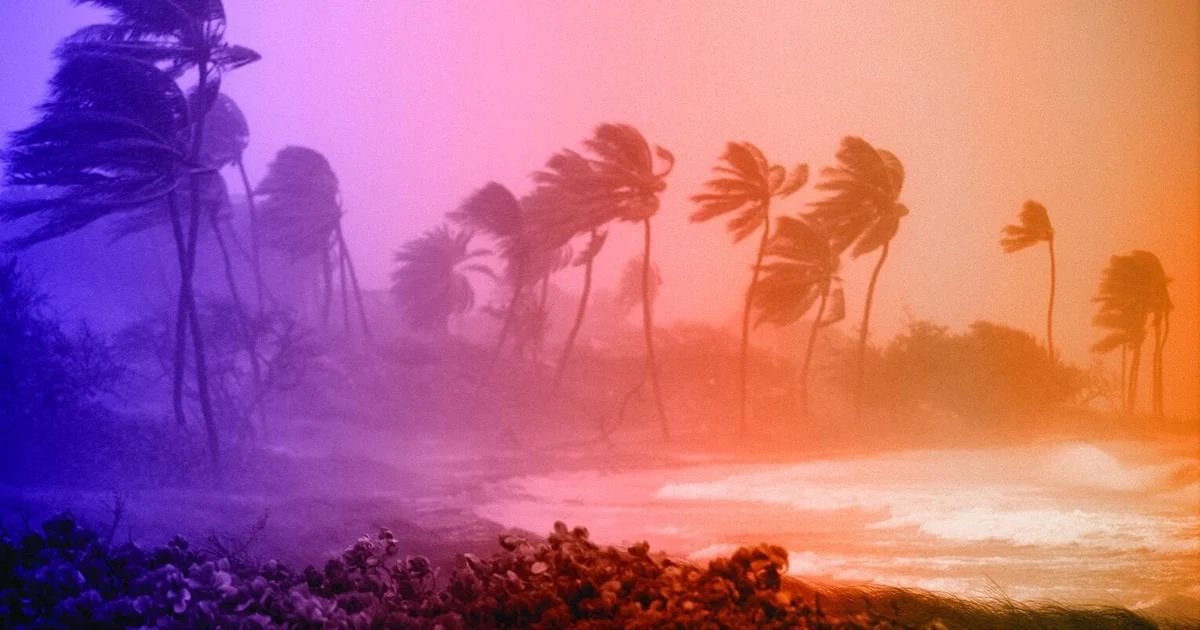
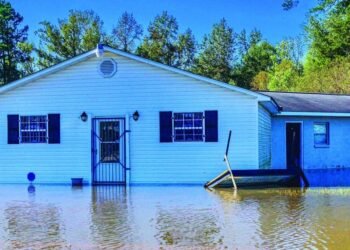
    Hurricanes are large, swirling storms. They produce winds of 74 mph or higher. That’s faster than a cheetah, the fastest animal on land. Winds from a hurricane can damage buildings and trees. Hurricanes form over warm ocean waters. For a hurricane to form and thrive, it needs a minimum threshold temperature of 80°F or 26.5°C and below that threshold temperature hurricanes will not form with just one or two unusual exceptions. Sometimes they strike land. When a hurricane reaches land, it pushes a wall of ocean water ashore. This wall of water is called a storm surge. Heavy rain and storm surge from a hurricane can cause flooding. Once a hurricane forms, meteorologists predict its path. They also predict how strong it will get. This information helps people get ready for the storm.

    READ ALSO

    HURRICANE What’s the greatest threat during a storm? | News

    HURRICANE – The danger of being unprepared | News

    In terms of energy stored and released, hurricanes pack a huge punch. Your “average” tropical cyclone might release the equivalent of 600 terawatts of energy, with a quarter of a percent of that as wind; the vast majority of the energy in a hurricane is in the form of heat stored and released as water vapor condenses into rain. So, while wind is only a small part of the overall energy output of a hurricane, it still generates vast amounts of power: around 1.5 terawatts, or just over a quarter of the world’s current total electrical generating capacity of 5.25 terawatts. The wind from just one storm is a gold mine of clean energy. How exactly does one go about chasing down hurricanes to harvest their energy? Unfortunately, it is easier said than done! The challenges and problems are enormous and quite obvious. Miles wide, forming in the open ocean, with meandering tracks that rarely strike the same area of coast twice, it’s not simple or even desirable to create a mobile wind farm in the path of a massive and powerful hurricane. Instead, some researchers are aiming for round-the-clock electricity generation systems that can withstand hurricane forces, but that can also take advantage of the increased power potential when a storm does strike. Unfortunately, the power and size of a hurricane is so massive that any idea that man has proposed over the years have been met with complete and object failure.

    Hurricanes and their counterparts in other places of the world (typhoons near Japan and cyclones off India and Australia), are moderately large low-pressure systems that form most often during the warmer months of the year. Hurricanes mainly occur near the Equator, in regions with prevailing easterly winds. Hurricanes don’t form between 5°N or 5°S of the Equator because of something known as the ‘Coriolis Effect’, initially it used to be called the Coriolis Force then scientists realized that no force was involved so it is now simply known as the ‘Coriolis Effect.’ Between these latitudes the Coriolis Effect is too weak to give the hurricane its ‘spin’ or ‘rotation’. Because of this principle, you would rarely find hurricanes over a country like Trinidad and Tobago because of its close distance to the Equator.

    Some satellite instruments measure cloud and ocean temperatures. Others measure the height of clouds and how fast rain is falling. Still others measure the speed and direction of winds. The National Hurricane Center meteorologists use data, or facts, from satellites, reconnaissance aircraft, and other sources to learn more about hurricanes. The data helps them understand how hurricanes form and get stronger. The data also helps forecasters predict the path and strength of hurricanes.

    These systems develop winds between 75 and 157 miles an hour and, on some rare occasions, winds even stronger, as we saw with Hurricane Dorian over The Bahamas in 2019 which had sustained winds of 185 mph with gusts to 220 mph. As the storms move toward the middle latitudes, where the prevailing winds are mainly westerly, they can “recurve” (move toward the east). Some hurricanes have stayed nearly stationary at times like Hurricane Wilma in 2005, Hurricane Dorian in 2019 and the Great Andros Island Hurricane of 1929 which remained near stationary (about 2 to 3 mph) over New Providence and Andros for three consecutive days, while others have made loops like Hurricane Jeanne in 2004 and Hurricane Betsy in 1965 and spirals along their paths.

    The North Atlantic hurricane season is officially occurring from the 1st of June until the 30th of November. Even though this is the main hurricane season, hurricanes have occurred outside of these months, this “season” was selected to cover over 97% of tropical weather activity. The season peaks in the Atlantic basin from August to October, with 78% of the tropical storm days, 87% of the minor hurricane days, and 96% of the major hurricane days occurring in those months. Maximum activity is in early to mid-September. Globally and here in the North Atlantic, September is the most active month and May is the least active month. September 10 is the climatological peak of the hurricane season and is the busiest month for tropical development.

    There is no time of year more likely for a tropical system to be spinning in the North Atlantic than September 10, which is the climatological peak of the North Atlantic hurricane season. Around 50% of all North Atlantic hurricane seasons since the dawn of the satellite era in 1966 have had at least one hurricane traveling across the basin on September 10, according to Colorado State scientist Dr. Philip Klotzbach. When considering only named storms from 1991-2020, the new peak date would be September 12 instead of September 10. In the satellite era (since 1966), ~75% of Atlantic seasons have had at least one named storm and ~50% of seasons have had greater than one hurricane active on September 10. In the new era of climate change, it is forecast that this will both lead to more early-season development and more late-season development due to warmer than normal sea surface temperatures, so actually, the date for the middle of the season probably won’t change.

    While the North Atlantic, sea surface temperatures typically continue to warm until late September/early October, vertical wind shear starts to increase relatively quickly in late September, knocking down storm activity, and preventing them from forming or even strengthening and this is especially noticeable or more pronounced in the eastern and central parts of the North Atlantic Basin. September 10 is basically when you still have low vertical wind shear, plenty of moisture and increasing sea surface temperatures. The increasing vertical wind shear tends to dominate over the continued warming sea surface temperatures as you move later down in September. In fact, September has seen more Category 5 hurricanes than any other month by far, with 21 different storms achieving the highest measure on the Saffir-Simpson Hurricane Wind Scale. August comes in at a distant second place, with seven Category 5 storms recorded. Some of the North Atlantic Basin’s most notorious and powerful hurricanes have made their wrath felt in September.

    Saffir-Simpson Hurricane Wind Scale

    There are five categories of hurricanes. The scale of categories is called the Saffir-Simpson Hurricane Wind Scale. The categories are based on wind speed.

    •Category 1: Winds 74-95 mph — faster than a cheetah.

    •Category 2: Winds 96-110 mph — as fast or faster than a baseball pitcher’s fastball.

    •Category 3: Winds 111-129 mph — similar, or close, to the serving speed of many

    professional tennis players.

    •Category 4: Winds 130-156 mph — faster than the world’s fastest rollercoaster.

    •Category 5: Winds more than 157 mph — similar, or close, to the speed of some high-speed trains.

    What Are the Parts of a Hurricane?

    •Eye: The eye is the “hole” at the center of the storm. Winds are light and the air is humid in this area. Skies are partly cloudy, and sometimes even clear.

    •Eye wall: The eye wall is a concentrated ring of thunderstorms. These storms swirl around the eye. The wall is where winds are strongest, and rainfall is heaviest.

    •Spiral Rain bands: Bands of clouds and rain go far out from a hurricane’s eye wall. These bands stretch for hundreds of miles. They contain thunderstorms and sometimes tornadoes.

    How Does a Storm Become a Hurricane?

    • A hurricane starts out as a perturbation in the wind field and then morphs into a tropical disturbance. This is an area over warm ocean waters where rain clouds are building.

    • A tropical disturbance sometimes grows into a tropical depression. This is an area of rotating severe thunderstorms with winds of 38 mph or less.

    • A tropical depression becomes a tropical storm if its winds reach 39 mph.

    • A tropical storm becomes a hurricane if its winds reach 74 mph.

    What Makes Hurricanes Form?

    Scientists don’t know exactly why or how a hurricane forms. But they do know that there are certain conditions that must be present or are needed for a hurricane to form: –

    • Warm and moist humid air.

    • A preexisting disturbance for a hurricane to develop from. In other words, a hurricane will not form without some initiating factor (easterly or tropical waves, upper-level troughs or a low-pressure systems or an old frontal boundary, etc…),

    • One ingredient is warm water. Warm ocean waters provide the energy a storm system needs to become a full-fledged hurricane. Usually, the surface water temperature must be 26.5 degrees Celsius (80 degrees Fahrenheit) or higher for a hurricane to form and thrive.

    • Light winds in the upper atmosphere to allow the system to grow and thrive. The upper-level winds that don’t change much in speed or direction as they go up in the atmosphere. Winds that change a lot with height can rip storms apart.

    • Low level convergence and upper-level divergence to allow the system to ‘breathe’ uninhibited.

    How Are Hurricanes Named?

    • There can be more than one hurricane at a time. This is one reason hurricanes are named. Names make it easier to keep track of and talk about storms.

    • A storm is given a name if it becomes a tropical storm. That name stays with the storm if it goes on to become a hurricane (Tropical disturbances and depressions don’t have names.).

    • Each year, tropical storms are named in alphabetical order alternating between men and women names. The names come from a preestablished list of names for that year with Spanish, Dutch, French, and English names. There are six lists of names. Lists are reused every six years. If a storm does a lot of damage or kills many persons, its name is in most cases taken off the list. It is then replaced by a new name that starts with the same letter and where possible the same language and gender. One notable exception to this was Hurricane Gordon in 1994. Despite the devastation in Haiti and the extensive damage in Cuba and Florida, Gordon was not retired by the World Meteorological Organization in Spring of 1995. Member nations of the World Meteorological Organization must send a delegate to the annual meeting to formally submit a request for tropical cyclone name retirement; for some unknown reasons, Haiti did not send a delegate to the Spring 1995 meeting. Out of all the names on the North Atlantic naming list that have not been retired, Gordon is still considered the strongest candidate for retirement and is still used today and was used several times after 1994 and also were responsible for some deaths and significant damage. The World Meteorological Organization issued an official statement crediting Jamaica and Cuba’s warning infrastructure for the low loss of life there from Gordon and blaming Haiti’s lack of such a system for the large number of deaths there.



    Source link

    Related Posts

    HURRICANE What’s the greatest threat during a storm? | News
    The Bahamas

    HURRICANE What’s the greatest threat during a storm? | News

    June 8, 2026
    HURRICANE – The danger of being unprepared | News
    The Bahamas

    HURRICANE – The danger of being unprepared | News

    June 8, 2026
    Top Notch was subcontracted to work on WSC water tanks in 2020, court hears | News
    The Bahamas

    Top Notch was subcontracted to work on WSC water tanks in 2020, court hears | News

    June 8, 2026
    Three women honored at The Parish of St. Gregory the Great | Religion
    The Bahamas

    Three women honored at The Parish of St. Gregory the Great | Religion

    June 7, 2026
    NIB increasing pensions and grants by 1.5% from July 1 | Business
    The Bahamas

    NIB increasing pensions and grants by 1.5% from July 1 | Business

    June 7, 2026
    NIB not in crisis anymore, says director | Business
    The Bahamas

    NIB not in crisis anymore, says director | Business

    June 7, 2026
    Next Post
    EFE Agency

    EFE Agency

    POPULAR NEWS

    Azerbaijani foreign minister congratulates Kyrgyzstan on UN Security Council membership

    Azerbaijani foreign minister congratulates Kyrgyzstan on UN Security Council membership

    June 7, 2026
    Keeping waste disposal responsible | The Star

    Keeping waste disposal responsible | The Star

    June 7, 2026
    Telex: Parliament will also elect the members of four investigative committees on Monday

    Telex: Parliament will also elect the members of four investigative committees on Monday

    June 7, 2026
    Šeško shines in Paris

    Šeško shines in Paris

    June 8, 2026
    Lea Ypi: The Right is successfully building a connected international project

    Lea Ypi: The Right is successfully building a connected international project

    June 8, 2026

    EDITOR'S PICK

    Quanta Cloud to expand in US as AI sector grows

    Quanta Cloud to expand in US as AI sector grows

    June 7, 2026
    Next Tuesday.. The Ghazi Al-Gosaibi Award crowns the winners in literature, development and volunteerism – Saudi News

    Next Tuesday.. The Ghazi Al-Gosaibi Award crowns the winners in literature, development and volunteerism – Saudi News

    June 8, 2026
    One grievance above all is fuelling the rise of Pauline Hanson.

    One grievance above all is fuelling the rise of Pauline Hanson.

    June 8, 2026
    Hundreds of children in a musical performance

    Hundreds of children in a musical performance

    June 7, 2026

    Recent Posts

    • Šeško shines in Paris
    • Lea Ypi: The Right is successfully building a connected international project
    • This is what Sadi said about the “Greens” qualifying for the World Cup and supporting the President of the Republic – Al-Shorouk Online
    • A new Zionist aggression against Gaza

      © 2026 Agentially - Navigating shifting sovereignties and global risk .

      Welcome Back!

      Login to your account below

      Forgotten Password?

      Retrieve your password

      Please enter your username or email address to reset your password.

      Log In
      No Result
      View All Result

        © 2026 Agentially - Navigating shifting sovereignties and global risk .

        This website uses cookies. By continuing to use this website you are giving consent to cookies being used. Visit our Privacy and Cookie Policy.