Tuesday, June 30, 2026
    The GeoStrategic Consensus
    No Result
    View All Result
    • Login
    • HOME
    • AMERICAS
      • Argentina
      • Brazil
      • Canada
      • Chile
      • Colombia
      • Costa Rica
      • Cuba
      • Dominican Republic
      • Ecuador
      • El Salvador
      • Greenland
      • Guatemala
      • Honduras
      • Mexico
      • Nicaragua
      • Panama
      • Paraguay
      • Peru
      • United States
      • Uruguay
      • Venezuela
    • ASIA-PACIFIC
      • Australia
      • Brunei Darussalam
      • Cambodia
      • China
      • Federated States of Micronesia
      • Fiji
      • Indonesia
      • Japan
      • Kiribati
      • Laos
      • Malaysia
      • Marshall Islands
      • Mongolia
      • Myanmar
      • Nauru
      • New Zealand
      • North Korea
      • Palau
      • Papua New Guinea
      • Philippines
      • Samoa
      • Singapore
      • Solomon Islands
      • South Korea
      • Taiwan
      • Thailand
      • Timor-Leste
      • Tonga
      • Tuvalu
      • Vanuatu
      • Vietnam
    • CARICOM
      • CARICOM – Non-English
        • Haiti
        • Suriname
      • CARICOM Associates
        • Anguilla
        • Bermuda
        • British-Virgin-Islands
        • Cayman-Islands
        • Curacao
        • Turks-and-Caicos
      • CARICOM English
        • Antigua and Barbuda
        • Barbados
        • Belize
        • Dominica
        • Grenada
        • Guyana
        • Jamaica
        • Montserrat
        • Saint Kitts and Nevis
        • Saint Lucia
        • Saint Vincent and the Grenadines
        • The Bahamas
        • Trinidad and Tobago
    • EURASIA
      • Armenia
      • Azerbaijan
      • Balarus
      • Georgia
      • Kazakhstan
      • Kyrgyzstan
      • Moldova
      • Russia
      • Tajikistan
      • Turkmenistan
      • Ukraine
      • Uzbekistan
    • EUROPE
      • Albania
      • Andorra
      • Austria
      • Bosnia and Herzegovina
      • Bulgaria
      • Croatia
      • Cyprus
      • Czech Republic
      • Denmark
      • Estonia
      • Finland
      • France
      • Germany
      • Greece
      • Holy See
      • Hungary
      • Iceland
      • Ireland
      • Italy
      • Kosovo
      • Latvia
      • Liechtenstein
      • Lithuania
      • Luxembourg
      • Malta
      • Monaco
      • Montenegro
      • Netherlands
      • North Macedonia
      • Norway
      • Poland
      • Portugal
      • Romania
      • San Marino
      • Serbia
      • Slovakia
      • Slovenia
      • Spain
      • Sweden
      • Switzerland
      • United Kingdom
    • MIDDLE EAST AND NORTH AFRICA
      • Algeria
      • Bahrain
      • Egypt
      • Iran
      • Iraq
      • Israel
      • Jordan
      • Kuwait
      • Lebanon
      • Lybia
      • Morocco
      • Oman
      • Palestinian Territories
      • Qatar
      • Saudi Arabia
      • Syria
      • Tunisia
      • Turkey
      • United Arab Emirates
      • Western Sahara
      • Yemen
    • SOUTH ASIA
      • Afghanistan
      • Bangladesh
      • Bhutan
      • India
      • Maldives
      • Nepal
      • Pakistan
      • Sri Lanka
    • SUB-SAHARAN AFRICA
      • Angola
      • Benin
      • Botswana
      • Burkina Faso
      • Burundi
      • Cabo Verde
      • Cameroon
      • Central African Republic
      • Chad
      • Comoros
      • Cote d’Ivoire
      • Democratic Republic of the Congo
      • Djibouti
      • Equatorial Guinea
      • Eritrea
      • Eswatini
      • Ethiopia
      • Gabon
      • Gambia
      • Ghana
      • Guinea
      • Guinea Bissau
      • Kenya
      • Lesotho
      • Liberia
      • Madagascar
      • Malawi
      • Mali
      • Mauritania
      • Mauritius
      • Mozambique
      • Namibia
      • Niger
      • Nigeria
      • Republic of the Congo
      • Rwanda
      • Sao Tome and Principe
      • Senegal
      • Seychelles
      • Sierra Leone
      • Somalia
      • South Africa
      • South Sudan
      • Sudan
      • Tanzania
      • Togo
      • Uganda
      • Zambia
      • Zimbabwe
    • HOME
    • AMERICAS
      • Argentina
      • Brazil
      • Canada
      • Chile
      • Colombia
      • Costa Rica
      • Cuba
      • Dominican Republic
      • Ecuador
      • El Salvador
      • Greenland
      • Guatemala
      • Honduras
      • Mexico
      • Nicaragua
      • Panama
      • Paraguay
      • Peru
      • United States
      • Uruguay
      • Venezuela
    • ASIA-PACIFIC
      • Australia
      • Brunei Darussalam
      • Cambodia
      • China
      • Federated States of Micronesia
      • Fiji
      • Indonesia
      • Japan
      • Kiribati
      • Laos
      • Malaysia
      • Marshall Islands
      • Mongolia
      • Myanmar
      • Nauru
      • New Zealand
      • North Korea
      • Palau
      • Papua New Guinea
      • Philippines
      • Samoa
      • Singapore
      • Solomon Islands
      • South Korea
      • Taiwan
      • Thailand
      • Timor-Leste
      • Tonga
      • Tuvalu
      • Vanuatu
      • Vietnam
    • CARICOM
      • CARICOM – Non-English
        • Haiti
        • Suriname
      • CARICOM Associates
        • Anguilla
        • Bermuda
        • British-Virgin-Islands
        • Cayman-Islands
        • Curacao
        • Turks-and-Caicos
      • CARICOM English
        • Antigua and Barbuda
        • Barbados
        • Belize
        • Dominica
        • Grenada
        • Guyana
        • Jamaica
        • Montserrat
        • Saint Kitts and Nevis
        • Saint Lucia
        • Saint Vincent and the Grenadines
        • The Bahamas
        • Trinidad and Tobago
    • EURASIA
      • Armenia
      • Azerbaijan
      • Balarus
      • Georgia
      • Kazakhstan
      • Kyrgyzstan
      • Moldova
      • Russia
      • Tajikistan
      • Turkmenistan
      • Ukraine
      • Uzbekistan
    • EUROPE
      • Albania
      • Andorra
      • Austria
      • Bosnia and Herzegovina
      • Bulgaria
      • Croatia
      • Cyprus
      • Czech Republic
      • Denmark
      • Estonia
      • Finland
      • France
      • Germany
      • Greece
      • Holy See
      • Hungary
      • Iceland
      • Ireland
      • Italy
      • Kosovo
      • Latvia
      • Liechtenstein
      • Lithuania
      • Luxembourg
      • Malta
      • Monaco
      • Montenegro
      • Netherlands
      • North Macedonia
      • Norway
      • Poland
      • Portugal
      • Romania
      • San Marino
      • Serbia
      • Slovakia
      • Slovenia
      • Spain
      • Sweden
      • Switzerland
      • United Kingdom
    • MIDDLE EAST AND NORTH AFRICA
      • Algeria
      • Bahrain
      • Egypt
      • Iran
      • Iraq
      • Israel
      • Jordan
      • Kuwait
      • Lebanon
      • Lybia
      • Morocco
      • Oman
      • Palestinian Territories
      • Qatar
      • Saudi Arabia
      • Syria
      • Tunisia
      • Turkey
      • United Arab Emirates
      • Western Sahara
      • Yemen
    • SOUTH ASIA
      • Afghanistan
      • Bangladesh
      • Bhutan
      • India
      • Maldives
      • Nepal
      • Pakistan
      • Sri Lanka
    • SUB-SAHARAN AFRICA
      • Angola
      • Benin
      • Botswana
      • Burkina Faso
      • Burundi
      • Cabo Verde
      • Cameroon
      • Central African Republic
      • Chad
      • Comoros
      • Cote d’Ivoire
      • Democratic Republic of the Congo
      • Djibouti
      • Equatorial Guinea
      • Eritrea
      • Eswatini
      • Ethiopia
      • Gabon
      • Gambia
      • Ghana
      • Guinea
      • Guinea Bissau
      • Kenya
      • Lesotho
      • Liberia
      • Madagascar
      • Malawi
      • Mali
      • Mauritania
      • Mauritius
      • Mozambique
      • Namibia
      • Niger
      • Nigeria
      • Republic of the Congo
      • Rwanda
      • Sao Tome and Principe
      • Senegal
      • Seychelles
      • Sierra Leone
      • Somalia
      • South Africa
      • South Sudan
      • Sudan
      • Tanzania
      • Togo
      • Uganda
      • Zambia
      • Zimbabwe
    No Result
    View All Result
    Agentially
    No Result
    View All Result
    Home AMERICAS United States

    How the Supreme Court became a power that is reshaping America

    The Analyst by The Analyst
    June 30, 2026
    in United States
    How the Supreme Court became a power that is reshaping America


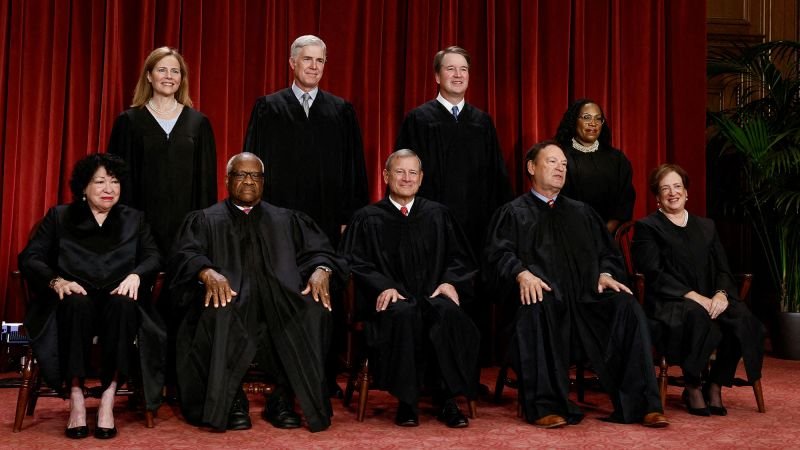
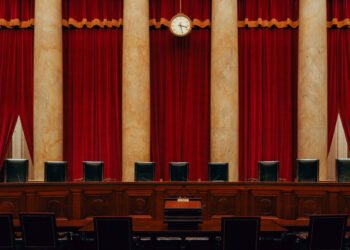
    Sometimes, these days, it feels like the Supreme Court is running the country.

    READ ALSO

    Venezuelans deported by the US hours before the deadly earthquake struck are missing

    What to Know About the Supreme Court’s Birthright Citizenship Order

    The nine justices are being repeatedly called upon to adjudicate the most charged disputes that spring from the fault lines of a nation split into ideological halves and that other malfunctioning institutions have failed to decisively solve.

    They are also incessantly dragged into the fray by Donald Trump, a president who has been as good as his promises to initiate massive constitutional disruption and who often even leverages cases he loses to sharpen his political ax.

    Amid the Trump storm, the court is curating modern mores on social issues that may change the country’s character; remodeling aspects of the electoral system; and tackling culture-war controversies embedded in the president’s political project, such as transgender rights and who is entitled to be a citizen.

    To a lay person, the court’s decisive voice on the country’s most intractable questions has often made it seem like a governing force itself, rather than the modest branch that Chief Justice John Roberts has said simply calls legal and constitutional balls and strikes. The contrast is stark between the dynamism of the court’s intellectual jousting and Congress, which has either forgotten how to legislate change or voluntarily ceded its power to the White House.

    Chief Justice John Roberts speaks to the Georgetown Law School graduating class in Washington, DC, on May 12, 2025.

    A flurry of recent Supreme Court rulings thrown up by Trump’s perpetual attempts to test the limits of his authority — and a victory for the president on Monday that could allow him to gut the leadership of quasi-independent government agencies — highlight a growing trend. The court is not simply ruling on where power in America’s political system lies; it’s actively reapportioning it.

    It’s hardly the first time in history that the court has found itself in the white heat of politics. Its rulings at the time of time of slavery and braking President Franklin Roosevelt’s New Deal programs also came amid political maelstroms. In Barack Obama’s presidency, the court legalized same-sex marriage in a landmark ruling that fleetingly seemed to augur a more liberal era. And the overturning of the constitutional right to an abortion in 2022 delivered a famous political victory decades in the making for evangelicals and the conservative legal movement.

    The second Trump term has pushed the court into especially volatile terrain.

    There are several reasons why almost every move the Roberts Court makes is being seen through a hugely partisan lens, even if justices in their books and interviews often point out that most rulings do not split on ideological lines.

    One superficial factor is that the public learns about tensions between justices themselves in news coverage and on social media, like the exchange between Justices Samuel Alito and Sonia Sotomayor last week. Searing dissents also now regularly solidify outsiders’ impressions of the court as an ideological bear pit.

    Democrats’ perceptions of the conservative majority are also irrevocably colored by their sense that it was conceived through chicanery, after Senate Republicans blocked Obama’s final nominee to the court pending a looming election but rushed Trump’s pick, Amy Coney Barrett, under similar circumstances after the death of liberal Justice Ruth Bader Ginsburg in 2020.

    President Donald Trump speaks with reporters in the Oval Office of the White House on Monday, June 29, in Washington, DC.

    And Trump’s constant attacks on rulings that he deems unfair and misperception that justices he nominated should be loyal to him rather than the Constitution hardly serve the court.

    But there’s a more profound reason the court is seen as enabling Trump: its views on expansive executive power. Roberts spent formative years as a staffer in Ronald Reagan’s White House, where conservative thinkers were incubating the theory of the unitary executive — a much more powerful president.

    The conceit reached its apogee in the Supreme Court just as a president who’d recaptured power determined to stretch his office up to and even beyond its constitutional limits.

    In recent years, some Supreme Court decisions have seemed to embolden Trump’s view that his power is almost limitless — none more so than a decision in 2024 arising from Trump’s criminal cases that held that former presidents enjoy broad immunity for official acts undertaken in office.

    The conservative majority’s perceived skepticism to corporate regulation also seems a good fit for Trump, as he seems to be trying to reverse decades of policy aimed at limiting synergies between great wealth and political power.

    On Monday, in a case related to Trump’s firing of a Federal Trade Commissioner, the court reversed a 1935 precedent that had allowed Congress to restrict the president’s authority to dismiss agency heads to ensure their independence.

    One of the architects of the law setting up the FTC in 1914 was Nevada Sen. Francis Newlands, who held white supremacist views considered extreme even at the time, but was more future-oriented in hoping to quash giant 19th-century industrial trusts that strangled market capitalism and corrupted the political system. “It is essential that it should not be open to the suspicion of any partisan direction,” Newlands was quoted as saying of the new agency by newspapers at the time.

    But Trump’s FTC victory could allow him to install political operatives at the FTC or similar agencies such as the Nuclear Regulatory Commission and the National Labor Relations Board, weakening a century of protections.

    The president hailed the FTC ruling on Truth Social as “The Greatest Increase in Presidential Power in the last 100 years.”

    Rebecca Kelly Slaughter, one of two Democratic members of the Federal Trade Commission fired by President Donald Trump, speaks with CNN on Wednesday, March 19, 2025.

    Rebecca Kelly Slaughter, the former FTC commissioner fired by Trump who brought the unsuccessful case against him, said the president should be taken at his word. “The FTC … (is) the agency Congress set up to be bipartisan, multimember and independent in order for it to be able to check the most powerful corporations in the country and keep them from getting ahead by cheating and lying to the American people and enriching themselves at the people’s expense,” Slaughter told CNN’s Erin Burnett on Monday.

    A second core reason why the Supreme Court seems to have so much relative power is that it is operating in a vacuum left by the failure of Congress to legislate effectively. For instance, some recent immigration cases brought before the Supreme Court might have been moot had lawmakers been able to pass comprehensive immigration reform.

    In a case in point, the court’s conservative majority last week gave Trump a major victory by limiting the role of courts in adjudicating the cases of people from nations such as war-torn Syria and Haiti granted temporary protected status to stay in the US. A sweeping new immigration law — which seems impossible in today’s febrile political environment — might have long ago clarified the status of such beneficiaries.

    The Roberts Court has not always facilitated the president’s policies or powers. For instance, in one of the most significant rulings in years, the court in February held that the law does not authorize the president to use emergency powers to impose tariffs. This immediately shredded one of Trump’s most iconic policies, on trade — an issue that, like immigration, helped power his political rise.

    Greenery frames the Supreme Court in Washington, DC, on June 22.

    And Trump absorbed another defeat Monday, when Roberts and Barrett joined the court’s three liberals to reject a Republican National Committee challenge to a Mississippi law that allows certain ballots to be tallied if they are received after Election Day. The case offered rare good news to voting campaigners, since the Roberts Court has repeatedly diluted the 1965 Voting Rights Act, a cornerstone civil rights law.

    Rulings that do cut against Trump help reinforce a paradox: As it systematically works to widen presidential powers he relishes, the Supreme Court is still one of the few functioning governmental institutions that rein him in.

    Lower courts have also sometimes slowed Trump’s second term — from his populist trade agenda through to the now-reversed attempt to stamp his name on the John F. Kennedy Center for the Performing Arts.

    But Trump has prevailed on sufficient occasions — or simply outraced methodical judicial process — to undeniably expand the scope of his office.

    Somewhere, a future Democratic president may be eyeing Trump’s precedents and strategizing how to erase his legacy, presuming the court retains its doctrine of executive power if the White House changes hands.

    But unless Congress finally reclaims its constitutional authority — and excepting the unlikely scenario of a president voluntarily ceding power — the Supreme Court will remain a pivotal player in the battles over who really runs America.
    Source link

    Related Posts

    Venezuelans deported by the US hours before the deadly earthquake struck are missing
    United States

    Venezuelans deported by the US hours before the deadly earthquake struck are missing

    June 30, 2026
    What to Know About the Supreme Court’s Birthright Citizenship Order
    United States

    What to Know About the Supreme Court’s Birthright Citizenship Order

    June 30, 2026
    Supreme Court Upholds State Restrictions on Transgender Athletes
    United States

    Supreme Court Upholds State Restrictions on Transgender Athletes

    June 30, 2026
    Supreme Court upholds bans on transgender women in female athletics
    United States

    Supreme Court upholds bans on transgender women in female athletics

    June 30, 2026
    Venezuela earthquake: The smell of death lingers in ruined streets as overwhelmed hospitals race to save lives
    United States

    Venezuela earthquake: The smell of death lingers in ruined streets as overwhelmed hospitals race to save lives

    June 30, 2026
    United States

    Opinion | A Corporate Welfare Bust in Michigan

    June 30, 2026
    Next Post
    Nico Williams criticized De la Cruz for the injury he suffered in Spain vs. Uruguay and can leave it out of the World Cup

    Nico Williams criticized De la Cruz for the injury he suffered in Spain vs. Uruguay and can leave it out of the World Cup

    POPULAR NEWS

    Starmer was interested in the post of NATO Secretary General – media

    Starmer was interested in the post of NATO Secretary General – media

    June 30, 2026
    Israeli occupation forces storm the villages of the Palestinian city of Ramallah

    Israeli occupation forces storm the villages of the Palestinian city of Ramallah

    June 30, 2026

    How the new Danish government’s planned reforms will affect foreigners

    June 30, 2026
    Estonian court fines plaintiffs over false AI-generated claims | News

    Estonian court fines plaintiffs over false AI-generated claims | News

    June 30, 2026
    Many ideas are on the table, by Tuesday we will know about the reconstruction of the Government, says Dimitrievski

    Many ideas are on the table, by Tuesday we will know about the reconstruction of the Government, says Dimitrievski

    June 30, 2026

    EDITOR'S PICK

    June 2026 set to be fifth driest-ever since 1901; monsoon advance over parts of north likely in early July | India News

    June 2026 set to be fifth driest-ever since 1901; monsoon advance over parts of north likely in early July | India News

    June 30, 2026
    Vredi will head six ministries in the reconstructed government, Sali announced

    Vredi will head six ministries in the reconstructed government, Sali announced

    June 30, 2026
    “Adoption” of the Yunes was a “low blow” for Nahle

    “Adoption” of the Yunes was a “low blow” for Nahle

    June 30, 2026
    Telex: According to the new forecast, we have to wait until Wednesday, but rather Thursday, for the cooling down

    Telex: According to the new forecast, we have to wait until Wednesday, but rather Thursday, for the cooling down

    June 30, 2026

    Recent Posts

    • Jaric St. Vincent Ltd. launches ‘Don’t Wreck Your Carnival’ road safety Campaign
    • Statement: Labor shortages are putting pressure on all municipalities
    • New landfill on the way in Narsarsuaq
    • The US hardens its stance with Iran and rejects an agreement “at any price” for the Strait of Hormuz

      © 2026 Agentially - Navigating shifting sovereignties and global risk .

      Welcome Back!

      Login to your account below

      Forgotten Password?

      Retrieve your password

      Please enter your username or email address to reset your password.

      Log In
      No Result
      View All Result
      • HOME
      • AMERICAS
        • Argentina
        • Brazil
        • Canada
        • Chile
        • Colombia
        • Costa Rica
        • Cuba
        • Dominican Republic
        • Ecuador
        • El Salvador
        • Greenland
        • Guatemala
        • Honduras
        • Mexico
        • Nicaragua
        • Panama
        • Paraguay
        • Peru
        • United States
        • Uruguay
        • Venezuela
      • ASIA-PACIFIC
        • Australia
        • Brunei Darussalam
        • Cambodia
        • China
        • Federated States of Micronesia
        • Fiji
        • Indonesia
        • Japan
        • Kiribati
        • Laos
        • Malaysia
        • Marshall Islands
        • Mongolia
        • Myanmar
        • Nauru
        • New Zealand
        • North Korea
        • Palau
        • Papua New Guinea
        • Philippines
        • Samoa
        • Singapore
        • Solomon Islands
        • South Korea
        • Taiwan
        • Thailand
        • Timor-Leste
        • Tonga
        • Tuvalu
        • Vanuatu
        • Vietnam
      • CARICOM
        • CARICOM – Non-English
          • Haiti
          • Suriname
        • CARICOM Associates
          • Anguilla
          • Bermuda
          • British-Virgin-Islands
          • Cayman-Islands
          • Curacao
          • Turks-and-Caicos
        • CARICOM English
          • Antigua and Barbuda
          • Barbados
          • Belize
          • Dominica
          • Grenada
          • Guyana
          • Jamaica
          • Montserrat
          • Saint Kitts and Nevis
          • Saint Lucia
          • Saint Vincent and the Grenadines
          • The Bahamas
          • Trinidad and Tobago
      • EURASIA
        • Armenia
        • Azerbaijan
        • Balarus
        • Georgia
        • Kazakhstan
        • Kyrgyzstan
        • Moldova
        • Russia
        • Tajikistan
        • Turkmenistan
        • Ukraine
        • Uzbekistan
      • EUROPE
        • Albania
        • Andorra
        • Austria
        • Bosnia and Herzegovina
        • Bulgaria
        • Croatia
        • Cyprus
        • Czech Republic
        • Denmark
        • Estonia
        • Finland
        • France
        • Germany
        • Greece
        • Holy See
        • Hungary
        • Iceland
        • Ireland
        • Italy
        • Kosovo
        • Latvia
        • Liechtenstein
        • Lithuania
        • Luxembourg
        • Malta
        • Monaco
        • Montenegro
        • Netherlands
        • North Macedonia
        • Norway
        • Poland
        • Portugal
        • Romania
        • San Marino
        • Serbia
        • Slovakia
        • Slovenia
        • Spain
        • Sweden
        • Switzerland
        • United Kingdom
      • MIDDLE EAST AND NORTH AFRICA
        • Algeria
        • Bahrain
        • Egypt
        • Iran
        • Iraq
        • Israel
        • Jordan
        • Kuwait
        • Lebanon
        • Lybia
        • Morocco
        • Oman
        • Palestinian Territories
        • Qatar
        • Saudi Arabia
        • Syria
        • Tunisia
        • Turkey
        • United Arab Emirates
        • Western Sahara
        • Yemen
      • SOUTH ASIA
        • Afghanistan
        • Bangladesh
        • Bhutan
        • India
        • Maldives
        • Nepal
        • Pakistan
        • Sri Lanka
      • SUB-SAHARAN AFRICA
        • Angola
        • Benin
        • Botswana
        • Burkina Faso
        • Burundi
        • Cabo Verde
        • Cameroon
        • Central African Republic
        • Chad
        • Comoros
        • Cote d’Ivoire
        • Democratic Republic of the Congo
        • Djibouti
        • Equatorial Guinea
        • Eritrea
        • Eswatini
        • Ethiopia
        • Gabon
        • Gambia
        • Ghana
        • Guinea
        • Guinea Bissau
        • Kenya
        • Lesotho
        • Liberia
        • Madagascar
        • Malawi
        • Mali
        • Mauritania
        • Mauritius
        • Mozambique
        • Namibia
        • Niger
        • Nigeria
        • Republic of the Congo
        • Rwanda
        • Sao Tome and Principe
        • Senegal
        • Seychelles
        • Sierra Leone
        • Somalia
        • South Africa
        • South Sudan
        • Sudan
        • Tanzania
        • Togo
        • Uganda
        • Zambia
        • Zimbabwe

      © 2026 Agentially - Navigating shifting sovereignties and global risk .

      This website uses cookies. By continuing to use this website you are giving consent to cookies being used. Visit our Privacy and Cookie Policy.