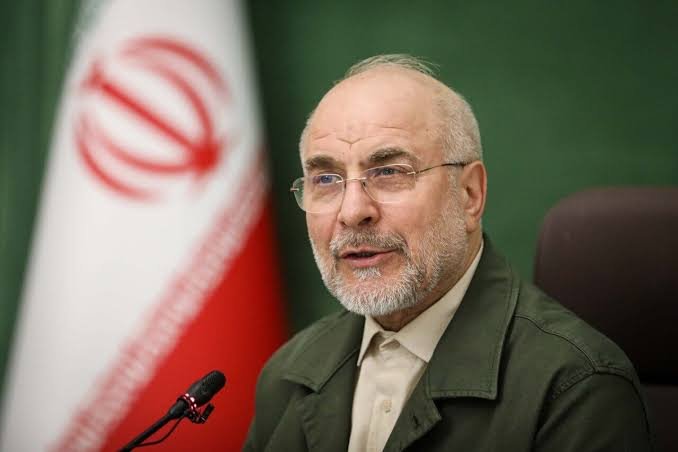
KABUL (Pajhwok): Iran’s top negotiator Mohammad Bagher Ghalibaf says Tehran and Washington have agreed on the release of $12 billion in frozen Iranian funds.
The statement came after the United States announced a temporary easing of sanctions allowing the sale of Iranian oil and petrochemical products until August 21, according to Al Jazeera.
US President Donald Trump said Iran had agreed to allow international nuclear inspections and that any released Iranian assets would be used to purchase US agricultural products.
Israeli Prime Minister Benjamin Netanyahu, meanwhile, said Israeli forces would continue operating in southern Lebanon and “demolish” Hezbollah infrastructure.
Ghalibaf described his recent trip as producing “good achievements,” saying discussions focused on the Strait of Hormuz, Lebanon, oil sanctions waivers, and the release of frozen funds.
“In my view, this trip had good achievements, especially regarding discussions on the Strait, Lebanon, the oil waiver issue, and the release of frozen funds, which is one of the steps we are moving forward with,” he said. “However, we believe we are still at the beginning of this process and must continue our efforts.”
He said the release of the frozen funds would take place in two tranches of $6 billion each. Ghalibaf added that sanctions on Iran’s oil sector remain in place because a final deal has not been concluded.
“Therefore, we need waivers so we can sell our oil and conduct banking activities,” he said, adding that the necessary waivers had been secured and related agreements signed.
Regarding Lebanon, Ghalibaf said the sides agreed to establish a coordination centre to address disputes and help prevent renewed fighting.
He said the centre would aim to “prevent a return to war, allow people to return to normal life, ensure the withdrawal of Israeli forces from occupied areas, and respect Lebanon’s national sovereignty.”
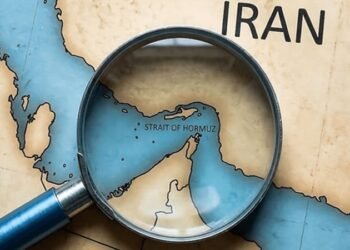
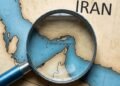
On the Strait of Hormuz, Ghalibaf said its administration “will never return to the way it was before the war.”
He added that coordination mechanisms, including a hotline and a centre for resolving disputes, had been agreed upon to address future misunderstandings.
sa