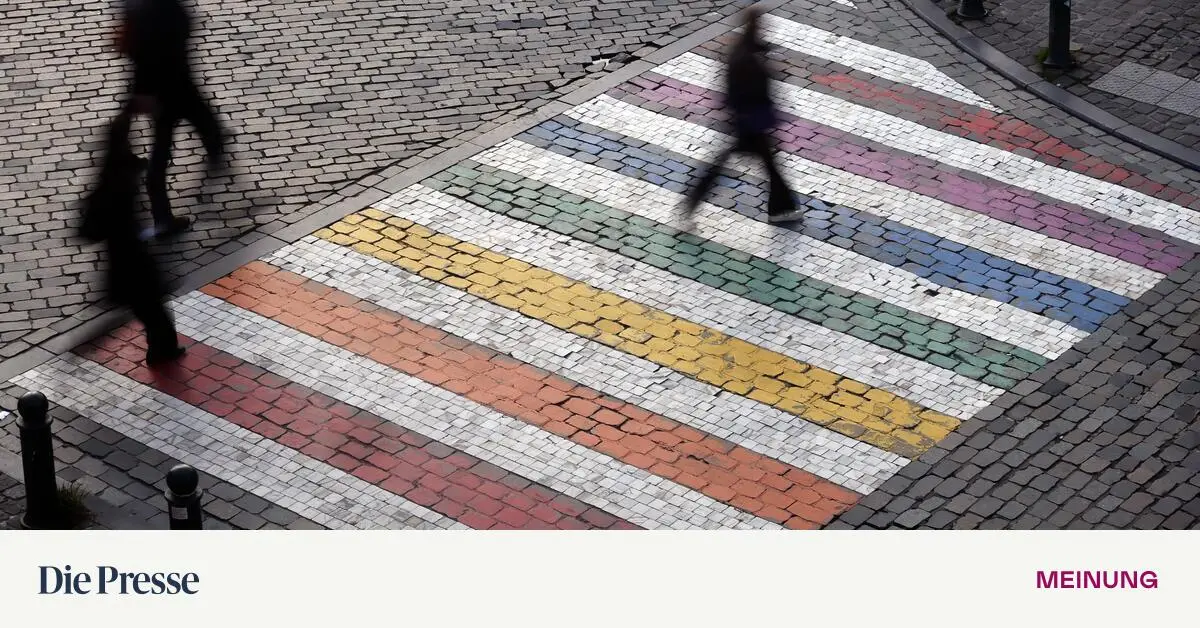
Brussels’ politicians are, with a few exceptions, extremely proud of their city’s diversity. “Brussels is the second most cosmopolitan city in the world,” says the city’s tourism authority. Around four out of ten people living here are not Belgian. In addition, many Belgian passport holders come from second or third generation immigrants. “In Brussels, there are so many neighborhoods where the populations mix!” the tourism advertisers exult. “In Brussels you remain yourself, free in your culture!”
In urban practice, however, populations do not mix so freely. And not everyone can live their culture freely. To test such claims, I recommend the Star of David test. In other words: Would you dare to stroll around certain areas of a city at any time of the day or night with a necklace bearing the most famous Jewish symbol? The answer usually comes naturally.
For Jews, this experiment is not just an exercise in thought. Last Friday evening, three men attacked a man on the subway and tore the Star of David from his neck after punching him repeatedly in the face. “The attackers didn’t try to steal my phone or my wallet. I think they just wanted my star as a trophy,” he told RTBF radio.
An isolated case? Unfortunately no. According to the official Belgian anti-Semitism report, 28 percent of all attacks occurred in the capital. An Ipsos survey of 600 Brussels residents published in March revealed that one in three of them adhere to anti-Semitic stereotypes. This is most pronounced among Muslims, practicing Catholics and right-wing and left-wing radicals, the study authors concluded.
Brussels is not alone with this sad finding. However, it belies the self-marketing as a rainbow-happy diversity capital of Europe. A city is only diverse if all social groups can live in it without fear.
Emails to: oliver.grimm@diepresse.obfuscationcom