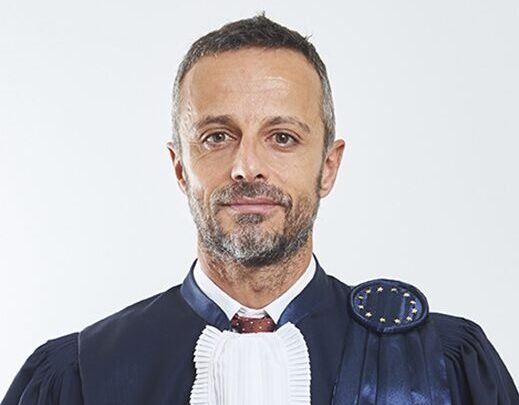
As in the Simoncini case, also in that of Ingrid Casali Strasbourg rejected the Executive’s attempts to delegitimize the appellant and her lawyer, to blame the press and to oust judge Gilberto Felici from the Court
From San Marino information (by Antonio Fabbri) – “A custom, that of judges’ objections, which we do not hesitate to define as unprecedented on the international scene and particularly dysfunctional in the historical-spatial context of a small judicial office such as that of the microstate of San Marino (…) expression, at times, of a pathological abuse of the process”.
Word of the Director of the Court Giovanni Canzio, who writes it in the report on the state of justice relating to the year 2025, currently under discussion in this Council, assuming that the paragraph does not slip.
Who knows if the Director of the Court also thinks this way about the use, or abuse, of recusal in international forums? Or does he also think so about the repeated recusals, strictly and conceptually linked to the “querela nullitatis”, proliferated towards that third instance Judge who, due to the impossibility of operating, was forced to resign? Maybe. Unless that “sometimes” overshadows the fact that when events have to go a certain way, recusals are acceptable, otherwise they are a “pathological abuse of the process”. Maybe.
Be that as it may, this time the government seems to have abused the recusal at an international level.
And for the second time making up for a poor figure.
Things not to do in Strasbourg
There are three things that a government should not do when it finds itself a defendant before the ECHR for alleged human rights violations: denigrate the applicant and his lawyer who go there because they believe they have suffered an abuse which the Court is responsible for verifying; blaming the press for doing its duty by disclosing information that the Court itself, out of its own desire for public transparency, does; recuse your judge in Strasbourg.
Well, the government of San Marino, despite having already made these three major errors in the Simoncini case, which were also highlighted by the ECHR ruling, repeated all three of them in the Casali case.