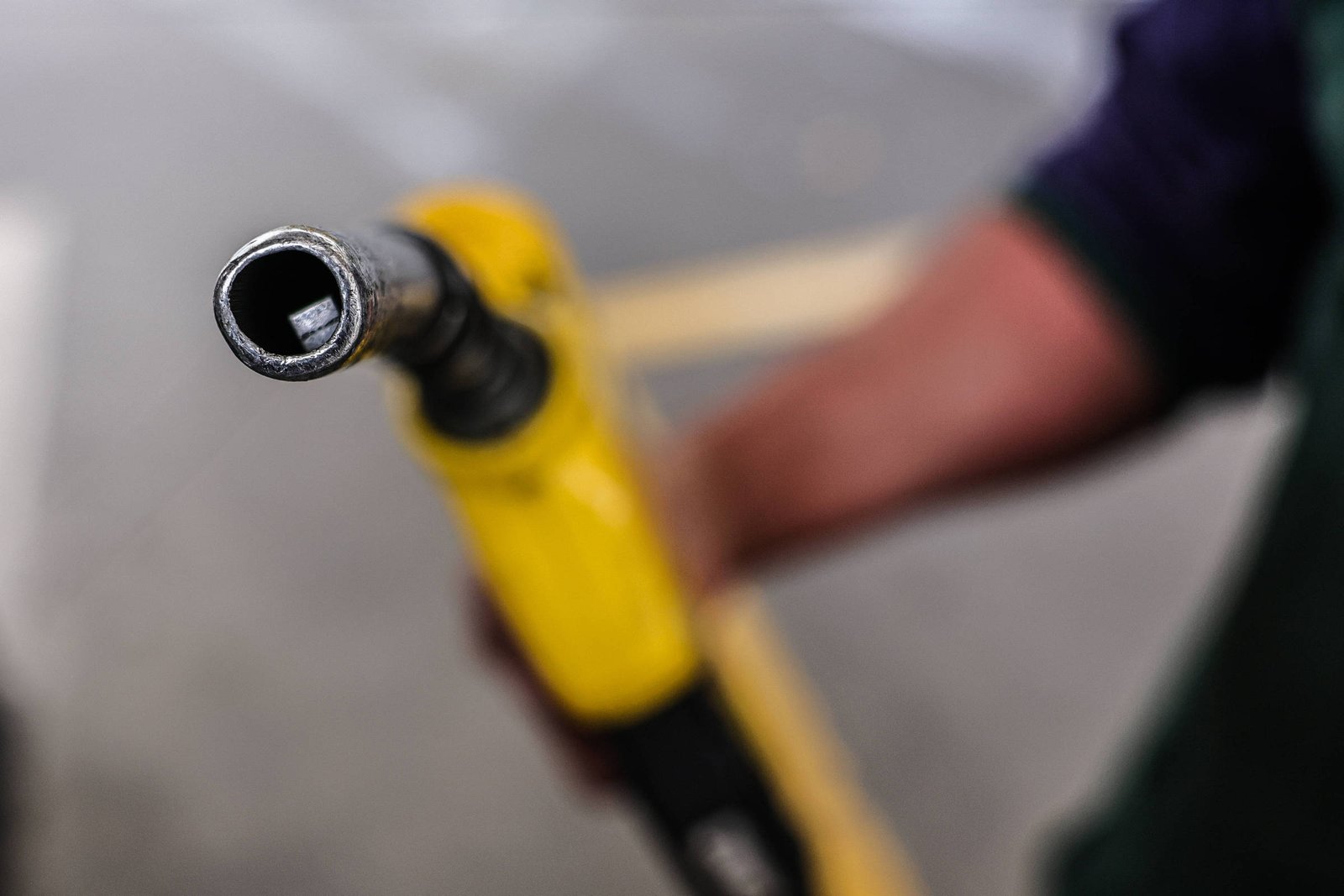
The government has not yet paid any of the companies eligible for the oil subsidy program dieselcreated to try to minimize the impacts of the war in Iran on the Brazilian consumer, according to companies in the sector.
The deadline for the first reimbursement, referring to fuel sales in March, expired on April 30th, without the ANP (National Oil Agency) OilGas and Biofuels) has authorized payments.
THE Sheet found that the Petrobrasthe largest national supplier, and smaller importers and distributors have already sent the invoices to the agency, but are still awaiting a response.
“Petrobras is entitled to the economic subsidy for road diesel oil and, at the moment, is awaiting verification by the ANP of the supporting data presented to make payments,” said the state-owned company, in a note.
The ANP says that, to carry out the analyzes necessary to pay the subsidy, it needs to have access to information from the Federal Revenue. “The preparation of a cooperation agreement between the Revenue and the ANP is underway to make this access possible,” he stated.
The grant program gives R$ 1.52 per liter of imported diesel and R$1.12 per liter of national diesel to importers and producers who commit to selling the fuel below a ceiling price established by the government.
Initial uptake was low, with companies of different sizes still unsure about the rules. Last week, the ANP approved the increase in the ceiling price, in an attempt to attract more participants.
At the beginning of the week, the agency published the new prices for the fifth period of the subsidy with an increase of R$0.28 per liter in the ceiling price for imported diesel.
According to people with knowledge of the discussions, the delay in payment increases uncertainty about the program. Initially, the government planned to pay within 15 days after the end of each month. The deadline was extended to 30 days.
Distributors who have not yet joined the program believe that it is a very long period, given the impacts on cash flow with the expenditure of a large volume of resources to receive reimbursement weeks after the sale of the product.
They also have doubts about the obligations to pass on prices to the end consumer. In this case, they claim that they have no control over gas station margins. And that Petrobras did not give price discounts, it just avoided larger increases.
The state-owned company was the first to join the program, followed by the second largest fuel producer in the country, the Mataripe Refinery. Of the three largest fuel distributors in the country, only Vibra decided to join. Ipiranga and Raízen remain out.
The price of diesel soared at Brazilian gas stations after the start of the war, but back three weeks ago. After reaching a peak of R$7.580 per liter at the end of March, the average price of S-10 diesel reached R$7.28 last week.
However, it is still much higher than the R$6.10 per liter in force before the first attacks by the United States and Israel on Iran.