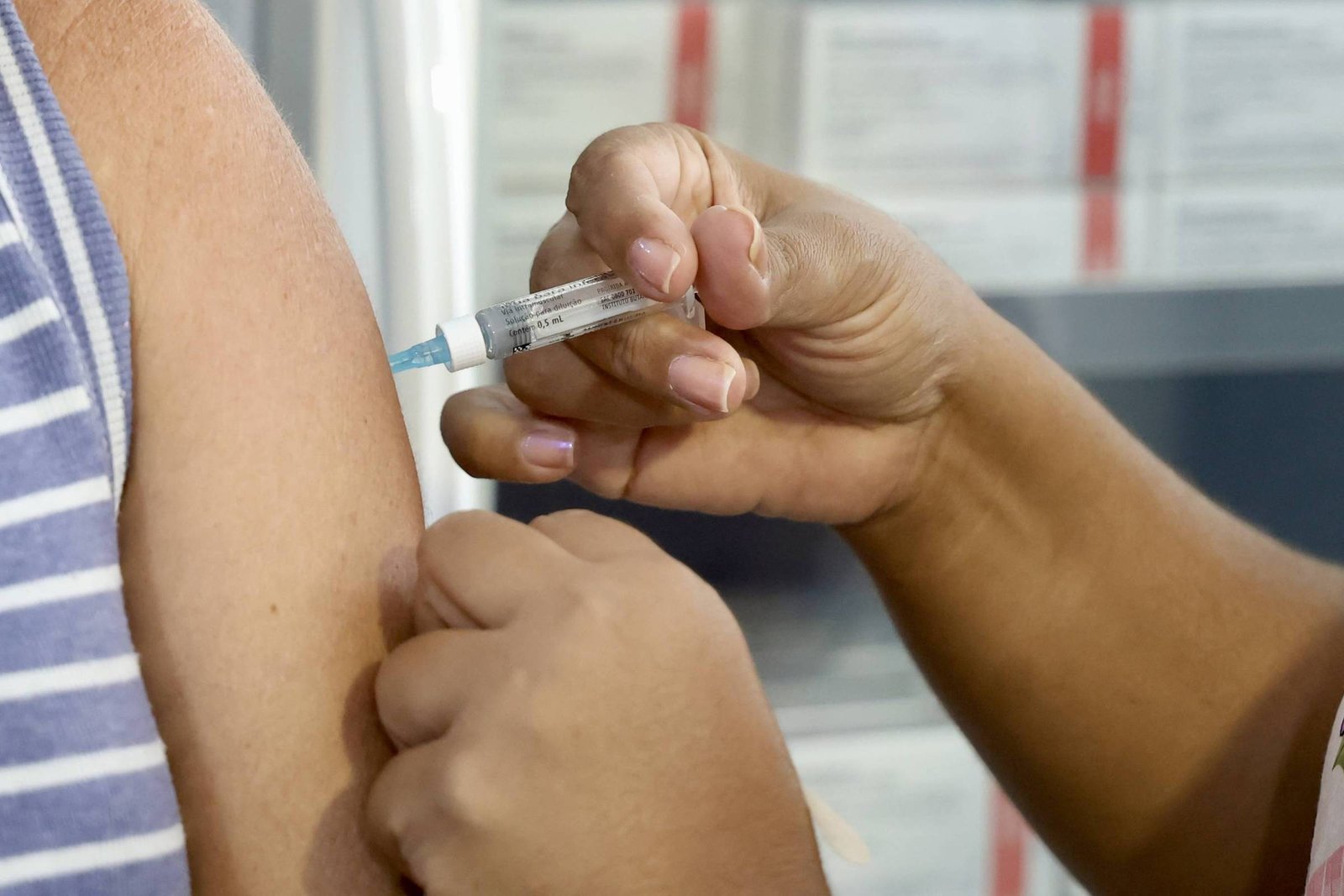
THE Anvisa (National Health Surveillance Agency) authorized this Monday (4) the manufacture in Brazil of the Butantan Institute vaccine against chikungunya. With the decision, the immunizing agent must have an easier path to be incorporated into the SUS (Single System of Health).
Developed in partnership with the French-Austrian pharmaceutical company Valneva, the vaccine was the first against the disease approved in the world. The agency had granted registration in April 2025, but production was restricted to Valneva factories in Europe. Now, Butantan is officially recognized as a manufacturing site.
It is the same immunizer, with the same quality, safety and efficacy standards. As it is a public institution, Butantan will be able to offer the product at a lower cost, which favors incorporation into the SUS. The vaccine is recommended for people between 18 and 59 years old and is contraindicated for pregnant women, immunodeficient and immunosuppressed people, as it is composed of an attenuated virus.
Since registration by Anvisa, the Ministry of Health sent the request for inclusion of the immunizer in the public network to Conitec (National Commission for the Incorporation of Technologies in the SUS). The approval of national production reinforces this process. If the incorporation is approved, the vaccine will be included in the PNI (National Immunization Program) for adults aged 18 and over.
The ministry has already started a pilot project in ten municipalities in four states. THE vaccination began in February in Mirassol, in the interior of São Paulo, and also occurs in cities in Minas Gerais, Sergipe and Ceará. Around 23 thousand Brazilians have already received the dose.
Data on the effectiveness of the vaccine were published in The Lancet magazine in 2023. According to the study, 98.9% of participants produced neutralizing antibodies after a single dose, and protection levels were maintained for at least six months. The reported adverse effects were mild and moderate, such as headache, fatigue and fever.
Chikungunya is transmitted through the bite of Aedes aegyptithe same mosquito that spreads dengue. The virus arrived in Brazil in 2014 and is now circulating in all states. In March this year, an outbreak in the country’s largest urban indigenous reserve, in Dourados, Mato Grosso do Sul, killed five people and forced the closure of schools.
In 2025 alone, the disease affected around 620,000 people worldwide, according to Opas (Pan American Health Organization). In Brazil, there were more than 127 thousand cases and 125 deaths, according to the Ministry of Health. The disease can progress in three phases: acute, post-acute and chronic. In the latter, symptoms persist for more than 90 days and include intense joint pain, which can be disabling.