Why were students and pupils at home for months during the corona pandemic, deprived of physical education? And how could that have been different? The closure of education and its consequences have been central to the hearings of the parliamentary Corona inquiry committee all week. Former education minister Arie Slob will be questioned about this aspect of the corona crisis on Friday at 10 a.m. At 2 p.m. it is the turn of Nienke Luijckx, former chairman of the National Action Committee for Students (LAKS).
Former minister for primary and secondary educationArie Slob
Arie Slob was mentioned, finished Monday al, during the interrogation of Ingrid van Engelshoven before the parliamentary inquiry committee. She had been Minister of Education, Culture and Science (D66) during the pandemic, he served as Minister for Primary and Secondary Education (Christian Union). Although the colleges and universities under Van Engelshoven’s charge remained closed longer than primary and secondary schools, Slob often attended the sessions at the Catshuis where corona policy was discussed at the time. And why did education have to close? The Commission could better ask Slob that, Van Engelshoven thought.
The 64-year-old Slob is a veteran in The Hague. He was a Member of Parliament and party leader of the Christian Union for many years, before becoming education minister in the Rutte III cabinet in 2017 – after two years out of politics. He has now said goodbye to politics again and is, among other things, program director of the Samen Lelystad Oost area program.
In Fidelity recalled Slob on Saturday evening, March 14, 2020, when he saw the push message on his phone: “Medical specialists call for schools to close immediately.” “Everything I had tried to hold together during those days collapsed at once,” Slob said in the newspaper. He said he already knew then: “The consequences of a school closure are immense for society.”
As minister, Slob was responsible for the school closures that eventually came about. “I often wonder: did I do it right?” he said in Trouw. The committee will undoubtedly ask him about this on Friday. In Trouw he already made an advance on the question of whether children should not mainly stay at home to limit the travel movements of their parents, and thus the possible spread of virus particles. “That has never been the consideration,” says Slob.
Former chairman of the student association laxNienke Luijckx
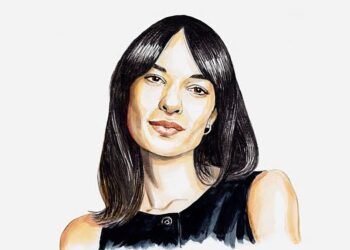
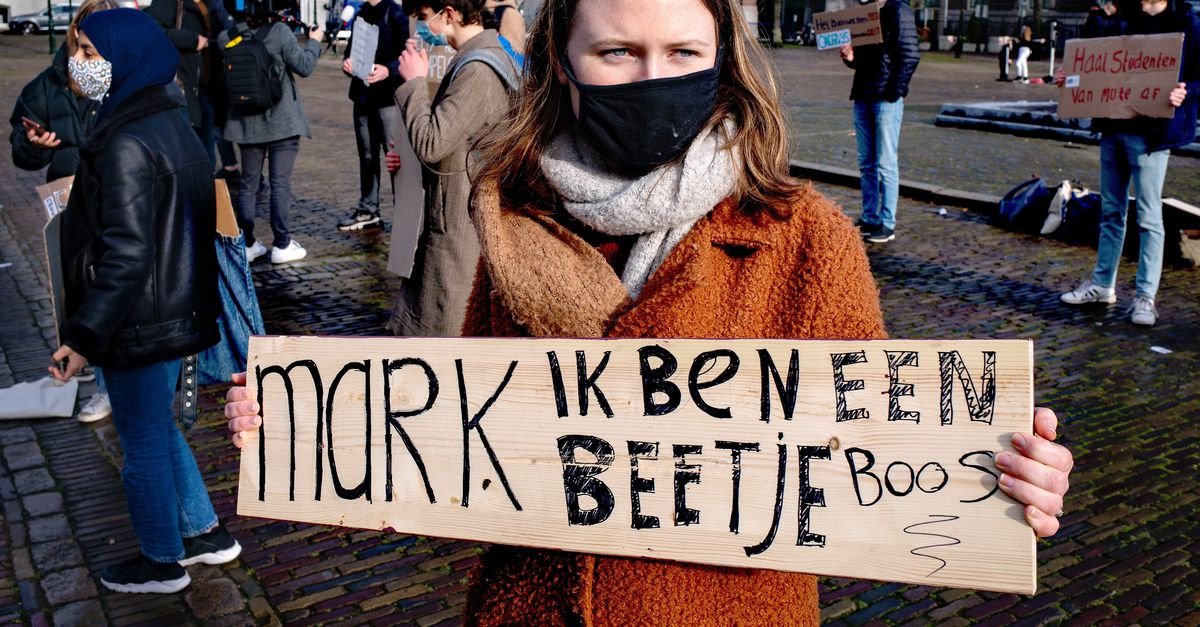
During the last interrogation of this week it is Nienke Luijckx’s turn. From July 2020 to July 2021, she was chairman of the National Action Committee for Students (LAKS), the interest organization of secondary school students in the Netherlands. LAKS is known to many for its annual complaints line during the final exams.
LAKS was very concerned about the uncertainty and isolation of young people during the corona pandemic. As LAKS chairman, Luijckx, then 17 years old, advocated a rapid reopening of the schools. This led to many threats to Luijckx, both online on Twitter and in letter form to the LAKS.
Some of those threats came from teachers, Luijckx wrote at the end of her term as chairman an overview of the threatening messages published on Twitter. Those teachers felt that LAKS paid too little attention to their safety. “I hope that these people will be friendlier to their own students/children if they differ in opinion,” Luijckx wrote at the time. Her interrogation starts at 2 p.m.
Live blog
Parliamentary inquiry corona
Corona committee interrogates Ombudsman for Children Margrite Kalverboer and former chairman of the VO Council Paul Rosenmöller
:format(webp)/s3/static.nrc.nl/wp-content/uploads/2026/05/29104135/2905BINblog_corona-opening.jpg)