In many parts of the world elder abuse occurs with little acknowledgment or response. According to the World Health Organization (WHO) 1 in 6 people over 60 years of age suffer from abuse. Alarmingly, nearly 141 million people globally are impacted by elder abuse.
It is widely believed that this number may be much higher as neglect, abuse and violence of older people are among the most hidden and underrepresented violations of human rights. The United Nations (UN) defines elder abuse as a single, or repeated act, or lack of appropriate action, occurring within any relationship where there is an expectation of trust which causes harm or distress to an older person. Elder abuse is a global social issue which affects the health and human rights of millions of older persons around the world, and an issue which deserves the attention of the international community. Elder abuse is the mistreatment of an older person that is committed by someone with whom the older person has a relationship of trust such as a partner, health care provider, family member, friend or caregiver/s. Elder abuse may be physical, spiritual, social, financial, psychological or sexual and can include mistreatment and neglect.
The United Nations has designated June 15th as World Elder Abuse Awareness Day (WEAAD). This year’s theme is: “Beyond Awareness: Making Elder Abuse Prevention Work “. The theme emphasizes that simply recognizing elder abuse is no longer enough; societies must implement practical measures that prevent abuse, detect it early, and respond effectively when it occurs. The theme also highlights the need for stronger protection systems rather than relying solely on public awareness campaigns.
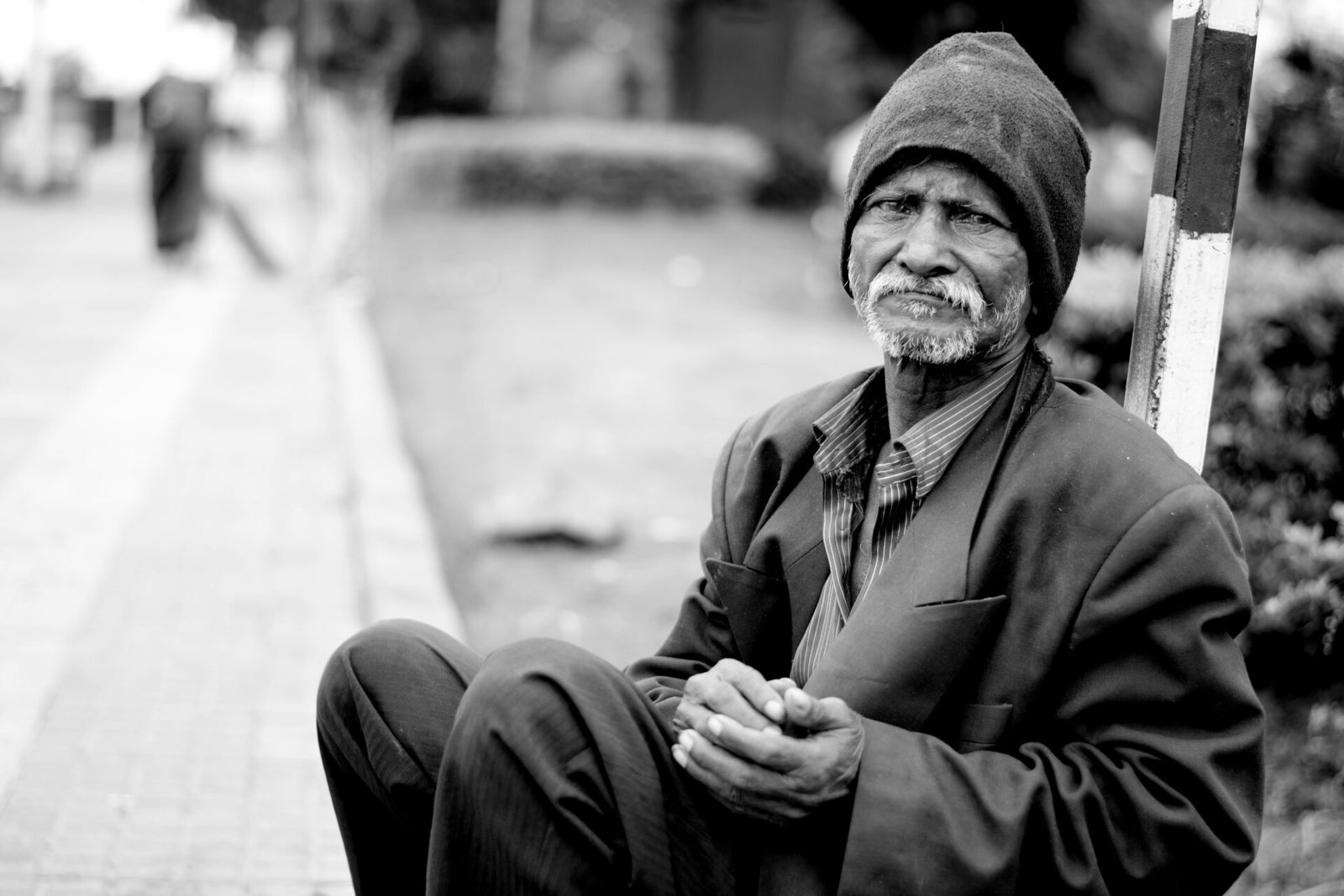
Elderly Mistreatment
Elder abuse can either be a single or recurring act, or a lack of appropriate action, occurring within any relationship. As we age the chances that we will require some form of assistance increases.
In some cultural context the younger family members care for the elderly. In some instances nursing homes or institutional care might be required. Institutional elder abuse is not spoken about often. Regrettably, many senior citizens are subjected to abuse in nursing homes as well as other forms of institutionalized care. Often the abuses in these setting are not reported and in many instances no physical evidence is present.
The issue of elder abuse is magnified among the population of elders who are unable to speak for themselves. Who speaks on behalf of the elders? Perhaps, the time has come to create a special office for the elderly and human rights. In many parts of the world growing old takes on a cloak of invisibility. Elder abuse has various manifestations and in some instances can lead to death. Where is the regulatory framework for nursing homes?
The government needs to examine these areas and implement the necessary regulatory structure; our elders desire this level of protection. Given the high rate of inflation, financial abuse is perhaps the most prominent form of abuse among senior citizens not only in Jamaica but in many jurisdictions.
The reality is a sad one for many senior citizens as after spending decades working and building the nation their pensions cannot adequately take care of them. As a result many pensioners fall into poverty. Additionally, the safety net for seniors offered by the State is woefully insufficient.
Unfortunately, we have not fostered a culture of caring for seniors and we need to way a way to reset this narrative. We have all witnessed occasionally how some of our seniors are disrespected regarding accessing services, yet many of us instead of intervening remain silent. By our silence we too are accomplices to elder abuse.
Data indicate that older persons account for 12.6 per cent of Jamaica’s population. That ratio is expected to double by 2050. Approximately, 350,000 Jamaicans are 60 years old and over. More can and should be done to address the issue of elder abuse. On this World Elder Abuse Awareness Day let us move from talking about elder abuse to building effective systems, policies, and community supports that actively protect older persons and uphold their human rights. In the words of Mahatma Gandhi, the measure of a society is how well it treats its elderly.
Wayne Campbell is an educator and social commentator with an interest in development policies as they affect culture and or gender issues.
@WayneCamo