A children’s film is being used as a shortcut by Cinemark network to more quickly fulfill the Screen Dimensiona mechanism aimed at promoting Brazilian audiovisual that obliges exhibitors to reserve part of the programming for national productions. It is “Zuzubalândia – The Movie”, a production originally released in cinemas two years ago.
In the state of São Paulo alone, the network scheduled 114 sessions of the title this Wednesday, almost half of them at 11 am, the rest between noon and 2:45 pm. Part of an exclusive screening agreement between Cinemark and its creator, “Zuzubalândia” premiered in September 2024ran until December of that year and returned to the schedule in October of last year. The film is also in the HBO Max catalog.
Contacted by email last week, Cinemark said it does not comment on Cota de Tela, and that it shows “Zuzubalândia” dozens of times a day because of the Projeto Escola program. In it, educational institutions can reserve, for a fee, entire rooms for groups of students.
However, until the publication of this text, the network did not explain the film’s relationship with the action. According to the regulations, the project applies to any film, as long as it has been released by its distributor.
A Cinemark manager told the report that all films on the schedule are included in the program if their rating corresponds to the age of the students — like the Americans “Super Mario Galaxy: The Movie” and even “The Devil Wears Prada 2”on display today.
Although the company, through its press office, did not answer whether it is using “Zuzubalândia” to beat the Screen Quota, employees from a Cinemark unit told the report that, internally, the guideline is that the film is scheduled at the beginning of the day to achieve the goals established by the rule.
Some complexes are even instructed to open at 10:30 am, show “Zuzubalândia” between 11 am and noon, close the doors afterwards and only resume operations around 2 pm. The sessions are concentrated from Monday to Friday, days with less movement in cinemas.
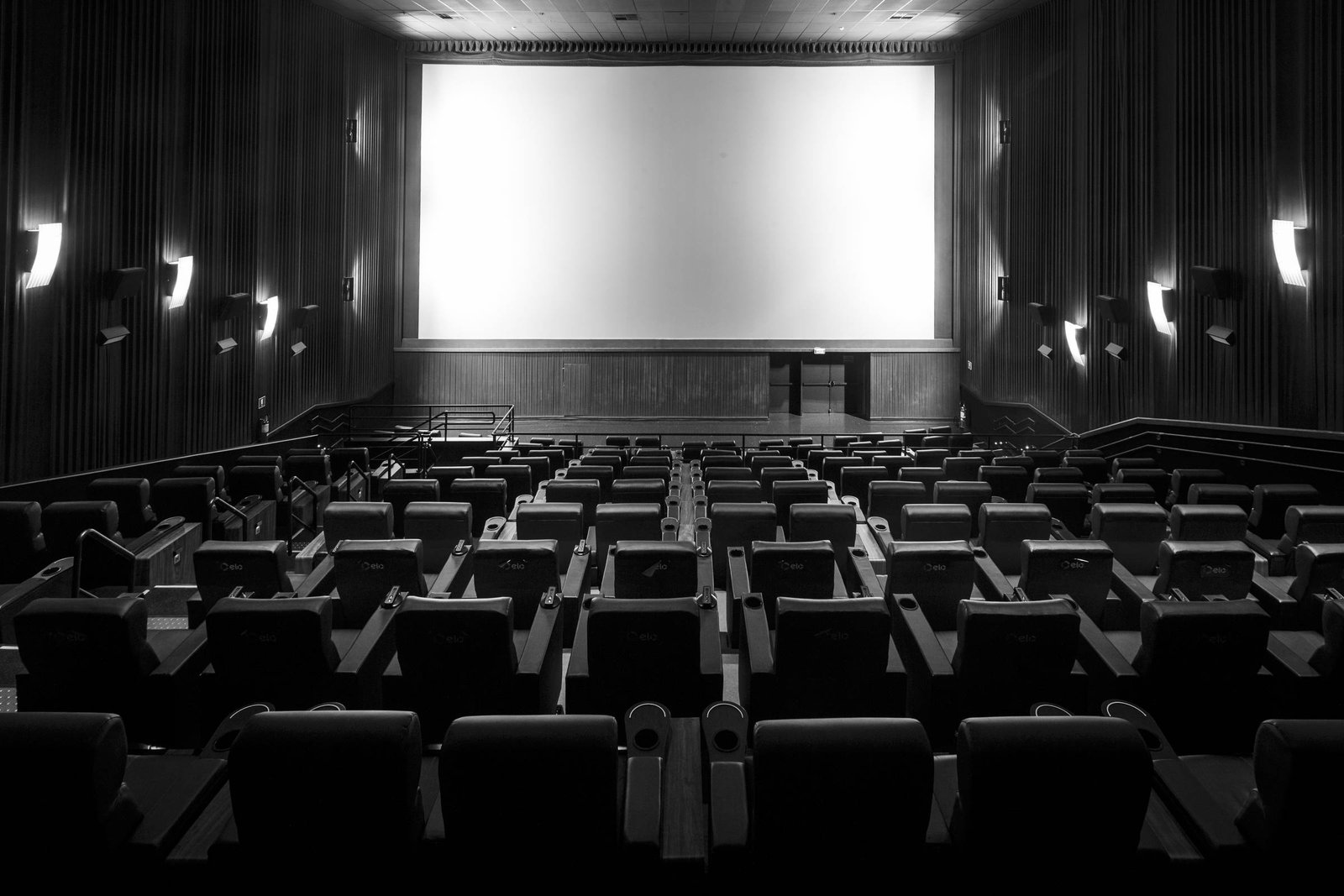
THE Sheet visited sessions of animation last Wednesday, in a unit in São Paulo that showed it in four rooms, simultaneously, at noon. None of them had an audience. THE cinema it was still in the opening process, and an employee cleaning one of the rooms seemed surprised by the presence of the report. She immediately turned off the lights in the room, which were on despite the projector already on.
At the Brazilian Cinema and Audiovisual Observatory, the Ancine, the National Cinema Agencywhich compiles box office data and audiovisual works shown in the country, there are no records of the “Zuzubalândia” sessions for a technical reason. The film is considered a medium-length film because it is only one hour long, ten minutes less than the length defined for feature films, which should prevent it from being counted towards the Screen Quota.
But Cinemark found a loophole there. The text defines that the programming must be “predominantly made up of feature-length films”.
Leandro Mendes, regulation secretary at Ancine, says that the body is evaluating the case and is considering accepting the inclusion of “Zuzubalândia” in the goals established for Cinemark last year because of the small difference in the film’s size.
The short duration also helps explain why Cinemark chose to show this title so many times instead of other national productions. Quickly, it gives greater turnover to the rooms in which it is shown — that is, it interferes less with the programming, and frees up space for works with greater commercial appeal.
At the request of SheetAncine compiled data on “Zuzubalândia”, which shows that 17,237 screenings of the film were scheduled this year in Cinemark complexes across the country. They were seen by just 1,882 people, an average of 0.1 viewers per viewing.
Even though take advantage of a Screen Quota loopholeCinemark’s strategy does not violate legislation. The rule, in force since June 2024, establishes a minimum number of Brazilian film screenings throughout the year — in the case of Cinemark, 16% of the total screenings —, but does not prohibit the repetition of the same title. In practice, exhibitors have the freedom to define which works to exhibit, how many times, at what times and in which rooms.
Thus, networks can concentrate dozens of screenings of the same national film in a single period of the year, reaching the target in advance and freeing themselves from showing Brazilian productions in months when there are many foreign blockbusters on show. In December, the new “Avengers” and the third chapter of “Dune” they promise to monopolize the rooms.
The report analyzed the programming of other networks in São Paulo, such as Cinepolis, UCI and Kinoplexand did not find blatant cases like that of “Zuzubalândia”, even though the majority of national films are still scheduled at less prime times, before 5pm.
Compliance with the rule is monitored by Ancine, which claims to be aware of Cinemark’s practice, but does not foresee any punishment for the exhibitor. Leandro Mendes says that the intention is to create mechanisms to encourage the presence of Brazilian films in the prime range of exhibitors, that is, from the end of the afternoon. In a regulatory instruction published this Wednesday, the agency now provides bonuses for sessions shown after 5pm.
“We noticed this weakness in the standard, and we need to make adaptations to regulate it, but ticket sales are lower compared to the pre-pandemic period”, says Mendes. “We also cannot force the exhibitor to break up his cinema. We asked to talk to Cinemark, but I don’t think they are doing it in bad faith”, he says about the Texas-based multinational, market leader in Brazil.
The repetition of “Zuzubalândia” on the schedule can also be justified by the exclusive exhibition agreement signed between Cinemark and the animation producer, director and screenwriter Mariana Caltabiano.
The director says that the contract provides for 70% of the net box office to be directed to the network, while it retains the remaining 30%. The model is different from that traditionally adopted by the market, in which exhibitors, such as Cinemark, only keep half of the revenue. This part is divided between distributors and producers, and marketing costs end up further diluting the value passed on to the creators of the works.
Caltabiano says that he did not like the experience he had when releasing previous films through distributors, and that, therefore, he sees benefits in the agreement. “My suggestion is that other Brazilian children’s producers start to close directly with Cinemark, without intermediaries. This increases the chances of box office sales”, she says, without detailing values.
The director states that she did not know that her film became an instrument of Screen Quota, but that she does not see a problem with that since, at least, her film is being shown.
Even with so many empty sessions, the agreement is potentially more advantageous for Cinemark than those outlined for other Brazilian releases.
In the case of the recent “Old Bandits”a comedy with strong commercial appeal with Fernanda Montenegro, there are 44 sessions this Wednesday, around 60% less than the animation two years ago. Even more limited are the exhibitions of “River of Blood”with 22, and “The Lawyer of God”, with 18. For comparison purposes, the Michael Jackson biography which has just entered its third week of exhibition, has more than 250 screenings on the Cinemark network this Wednesday.
Since it came into force, the Screen Quota has been criticized for not determining prime time slots for national films — more than a guarantee of exhibition, the mechanism should serve to form an audience, argue names in the sector. But if there are no people watching “Zuzubalândia”, the objective is never achieved.
“The quota should think about the plurality of Brazilian cinema, and it is far from doing that”, says Daniel Queiroz, who was a cinema programmer and is the director of Embaúba Filmes, which distributes independent films such as “In the Heart of the World”.
Keeping an eye on criticism, Ancine decided to change the rules to try to generate more interest from large exhibitors in productions with less commercial appeal. In the normative instruction published this Wednesday, the agency defines that screenings of feature films that won awards at selected festivals will count more towards the goal. The news is that, in addition to the best film category, best actor, actress, director and screenplay are now also valid.
“It’s complicated that it’s just the winners. It could only apply to films that were shown at festivals,” says Queiroz, who was part of the advisory committee for preparing Ancine’s measures.
Adhemar Oliveira, owner of Petrobras Cinema Spaceone of the most traditional street cinemas in São Paulo, says that it has had no difficulty in reaching the Screen Quota target. “I am a defender not of the quota, but of the Brazilian product. And the Brazilian product does not differ from others in terms of quality.”