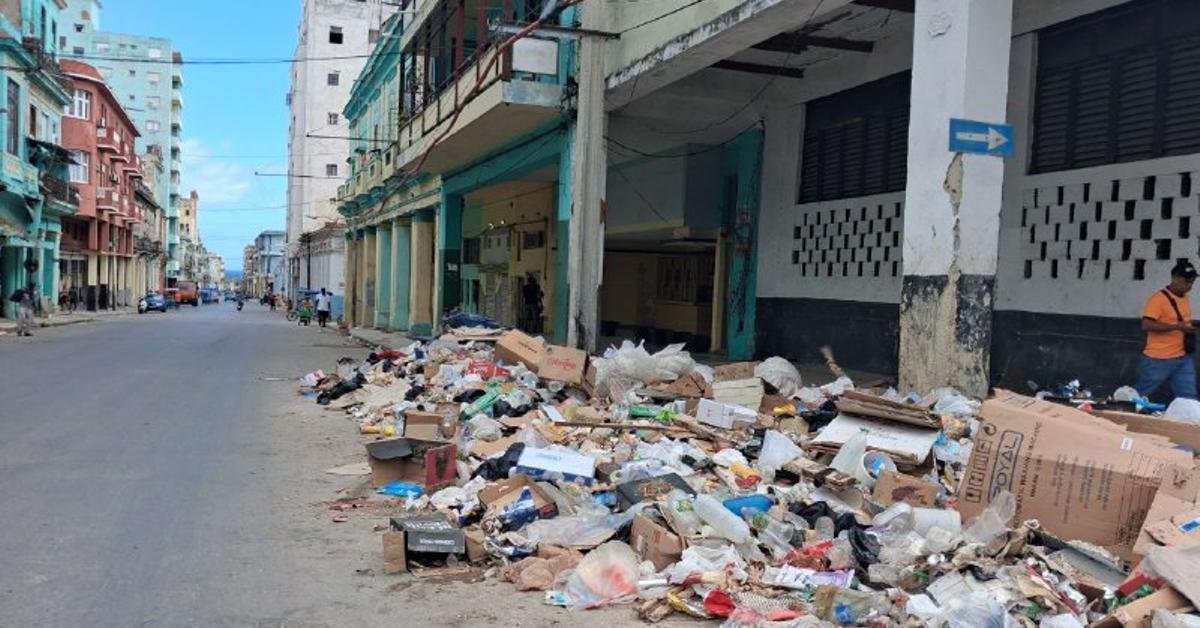
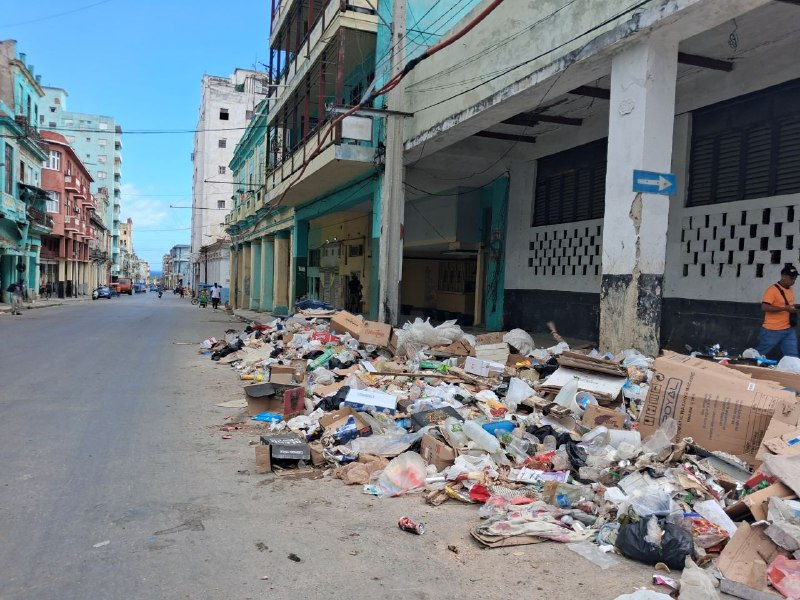
Havana/I pass by the umpteenth mountain of trash that I come across on the road and it is as if each piece of trash speaks to me. The true national story comes from that waste that rots under the May sun and that the wind or downpours drag through streets and avenues. There are countries that tell their history through their stained glass windows and museums, but here it is told by our filth.
Years ago, in garbage dumps you could find many food peels, rice remains and even newspapers. Granma. Now, among the waste, empty boxes of rechargeable lamps, Chinese batteries, small solar panels and portable electric generators appear. The Island of Darkness has begun to leave a trace in the trash as well. Each abandoned packaging speaks of a family that collected dollars for months to escape the blackouts, but also of the sacrifice of the emigrants who help light up the dark nights.
The boxes usually still contain printed photos of the product: a light bulb on in the middle of a spotless room, a couple smiling while electricity illuminates a kitchen where nothing is ever missing. The propaganda of these devices has something cruel in Cuba. The images on their packaging do not just sell energy, they would put energy, also normality. They promise a fan running with little noise, refrigerated food, nights without mosquitoes and children doing homework under a stable light. They promise a country that does not exist.
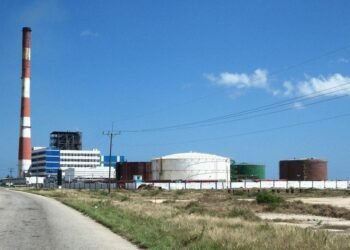
Stray animals have also learned to read the transformation of our remains. The dogs and cats that hang around the tanks know that people throw away less and less products that can still be eaten. Before they found bones, leftovers of food, pieces of stale bread. Now they dig for hours through nylon, damp cardboard and plastic containers to barely find anything to swallow. Inflation has also emptied the garbage dumps of the remains of our daily ration.
The “divers” know this better than anyone, those men and women who sink half their bodies into containers looking for something to put in their mouths or to feed a pig.
The “divers” know this better than anyone, those men and women who sink half their bodies into the containers looking for something to put in their mouths or to feed a pig. Most of the time they stumble upon bladeless fans, gutted televisions, open electric rice cookers, damp mattress padding, pieces of plastic and pieces of cardboard. Some of those appliances broke due to the brutal voltage surges that accompany the return of power after a blackout.
But perhaps nothing is more symbolic than discarded books. There they are, soaked by rain and full of mold, old manuals of Marxism, volumes of political speeches, complete collections of ideological propaganda and even diplomas awarded “for outstanding participation in socialist emulations.” Sometimes files from state offices appear, carelessly thrown bureaucratic papers and entire archives that no one bothered to destroy. As if even the authorities themselves had lost faith in their transcendence. Cuban garbage no longer only contains material remains: it contains part of the national disenchantment.
However, among so much waste, small dreams also appear. A box of an air conditioner purchased in Panama that will barely be able to turn on due to lack of energy. The empty container of a perfume brought from Miami that was never used in a club, because most are closed in this city. A box after box of European chocolates stored for days before being thrown into the tank and taking a good part of a monthly salary.
You only have to look at the landfills to understand what this nation eats, what it has lost, what it wants and what it has stopped believing in.