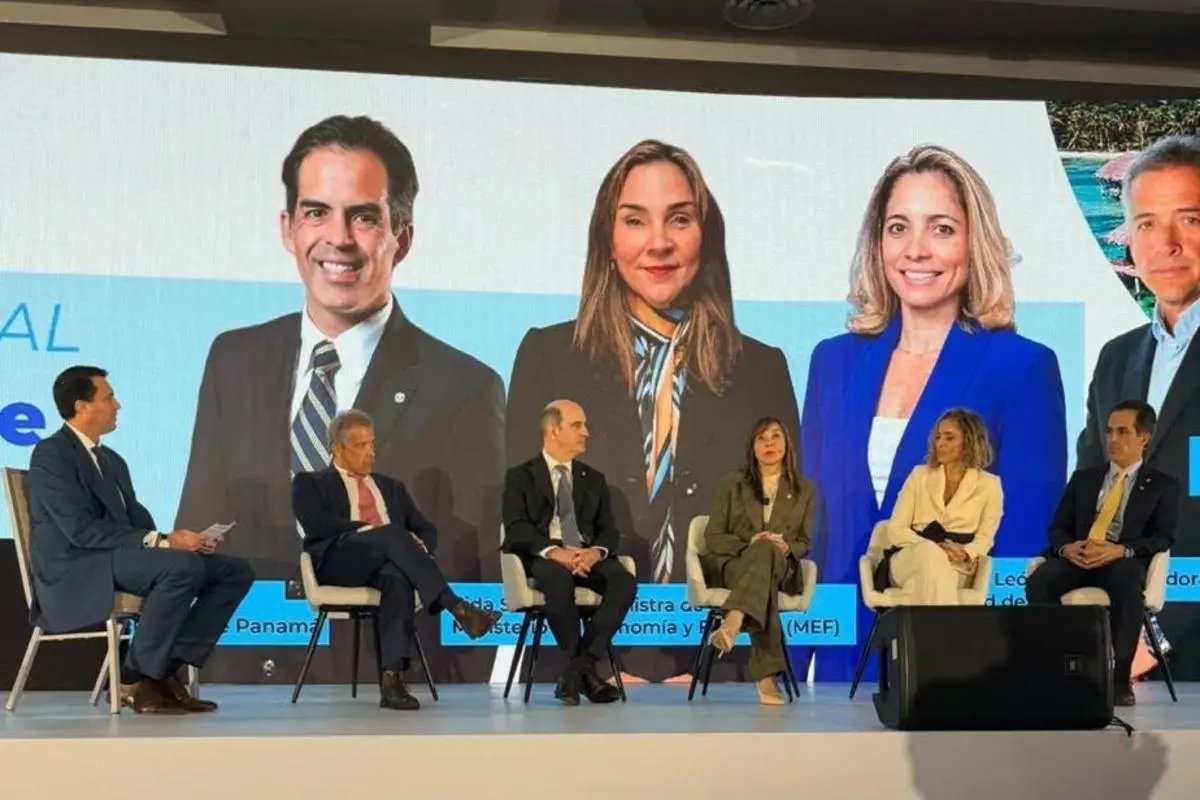
Panama It does not need more diagnoses, but rather advances in the execution of actions that allow it to improve its competitiveness. That is one of the main conclusions raised by the Chamber of Commerce, Industries and Agriculture of Panama (Cciap) behind him XVIII National Forum for Competitivenesswhere the need for the Government, private sector, academia and workers to work on the same agenda was highlighted.
The National Competitiveness Strategy 2024-2029 already establishes a roadmap. According to its second implementation report, the strategy contemplates 32 strategic actions developed through 285 implementation milestones. 50% of the actions have already been completed and another 47% are in progress.
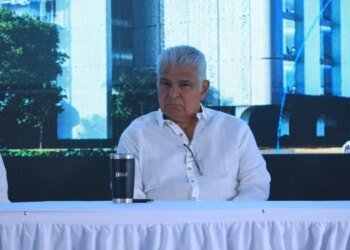
For Aurelio Barria Pinopresident of the Cciap, these advances show that there is movement, but they also pose the challenge of accelerating execution.
“Coordinating is not meeting. Coordinating is making decisions, removing obstacles and converting agreements into results”maintains Barria.
One of the examples mentioned is the Country Brandwhich was part of the actions planned in the strategy and which currently presents concrete progress. However, its impact will depend on whether the image that Panama projects internationally is consistent with the experience that the country offers.
In that sense, reputation and competitiveness are closely related. The perception that exists about Panama can influence investment, tourism and international trade decisions.
Competitiveness, Barría suggests, does not depend only on large projects, but also on specific factors that determine the conditions for producing, investing and generating employment.
Among them he mentions the training of talent in accordance with the needs of the labor market, a more agile and digital State, legal security, efficient infrastructure, a logistics platform capable of generating greater value and institutions that function effectively.
These elements contribute to generating trust, considered an economic asset that can influence the decisions of a company to invest, of a tourist to choose a destination or of an international buyer to select a supplier.
The joint participation of the private sector, Government, academia and workers should not be limited to meetings or forums, but should become a permanent work model, the president suggests.
From this perspective, each sector has a specific responsibility.
The public sector must create conditions and implement policies; the private, invest, innovate and generate employment; the academy, train talent, research and connect knowledge with the needs of the country; while workers provide experience and a perspective on productivity, training and employment.
The idea, according to Barria, is that the four sectors can work on the same table and with shared objectives.
“If everyone advances on their own, we lose time. If we align objectives and responsibilities, we multiply results”he points out.
Panama, he maintains, already has a defined route. The challenge now is to accelerate its implementation and transform the proposed actions into concrete results.
The bet, summarizes Barría, is to move towards less dispersion and more coordination; less intention and more action; and less speech and more results.
The challenge for Panama will be, finally, to convert this common agenda into concrete and sustainable measures that improve the country’s competitiveness conditions.