PARAMARIBO – During an emergency meeting, the heads of government of the Caribbean Community (Caricom) discussed at length tensions surrounding the governance of the organization, with a focus on the role of Trinidad and Tobago. Notably, neither the Prime Minister of Trinidad and Tobago nor a representative of the country attended the meeting.
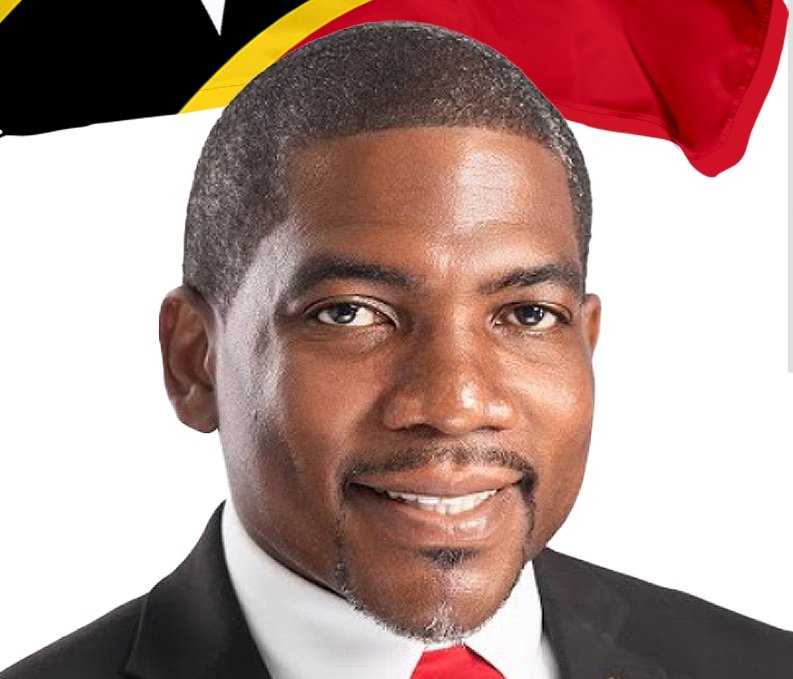
The reason for the consultation was objections that Trinidad and Tobago had previously expressed, including about the reappointment of Caricom Secretary General Carla Barnett. During the meeting, government leaders emphasized the importance of transparency and mutual communication within the regional organization. In a press statement, Carcom chairman and Prime Minister of Saint Kitts and Nevis, Terrance Drew, explains the issue.
Communication
Information shared during the meeting shows that all Member States had been fully briefed on the programme, agenda and planned decision-making moments ahead of the 50th CARICOM Summit in St. Kitts and Nevis in February. It was also clearly indicated which topics would be discussed in plenary sessions, smaller consultation groups and in a private retreat of government leaders.
The absence of Trinidad and Tobago during crucial moments seems to partly explain why the country later took a critical position. The Prime Minister of Trinidad and Tobago, Kamla Persad-Bissessar, left the conference on the first day, before the private retreat during which important decisions were taken. The Minister of Foreign Affairs of that country subsequently indicated that he might not participate due to seasickness, and ultimately did not appear at the meeting.
Decision on reappointment
During the private retreat, the government leaders present decided to approve the reappointment of the Secretary General, in accordance with the applicable rules within Caricom. The official himself was not present at the discussion of this agenda item.
For diplomatic reasons it was agreed not to make the decision public immediately. First, the absent government leaders would be informed. However, attempts to contact the Prime Minister of Trinidad and Tobago were difficult. Ultimately, the Minister of Foreign Affairs of that country was contacted.
New subcommittee and geopolitical consultation
In addition to the issue surrounding the Secretary General, the government leaders also took other decisions. A subcommittee was set up, consisting of Barbados, Dominica, Guyana and Jamaica, to examine the financing and governance of CARICOM institutions. It was also agreed to issue a joint statement on recent geopolitical developments, including a meeting with US Secretary of State Marco Rubio.
Call for internal dialogue
The CARICOM Chairman, the Prime Minister of St. Kitts and Nevis, in his final statement called for a return to the organization’s internal consultation mechanisms. According to him, it is important that disagreements within the community are resolved without public escalation, so as not to undermine the progress of regional integration.
The issue underlines the fragility of cooperation within Caricom, where consensus and mutual coordination are crucial for the functioning of the organization. At the same time, recent developments show that political and procedural differences between Member States can put pressure on decision-making.