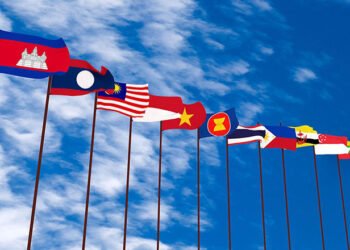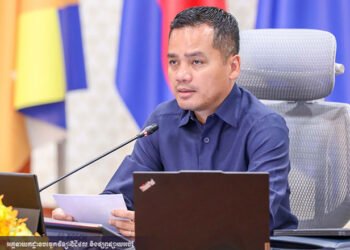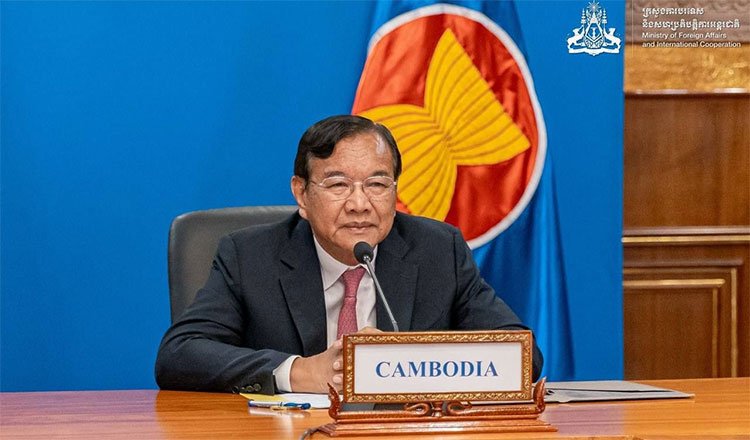
Deputy Prime Minister and Minister of Foreign Affairs and International Cooperation Prak Sokhonn has called for enhanced ASEAN coordination on energy and food security, warning of growing risks posed by ongoing tensions in the Middle East.
Speaking during the Second Special ASEAN Foreign Ministers’ Meeting on the situation in the Middle East, held via videoconference on April 13, the Cambodian Foreign Minister stressed the need for the bloc to maximise existing frameworks to bolster regional resilience.
He highlighted the importance of accelerating key initiatives such as the Trans-ASEAN Gas Pipeline and the ASEAN Petroleum Security Agreement, alongside improving real-time data sharing and contingency measures, including fuel reserves, according to a release from the ministry.
He also underscored the need to advance the ASEAN Power Grid, while promoting energy diversification and renewable sources.

Sokhonn noted that the conflict in the Middle East poses significant risks to food security, driven by rising energy costs, increased agricultural expenses and disruptions to fertiliser supply chains. These challenges, he warned, could lead to shortages, higher prices and reduced yields, particularly affecting vulnerable populations.
He emphasised that ASEAN should strengthen coordination and preparedness in addressing food security, including through the effective use of mechanisms such as the ASEAN Plus Three Emergency Rice Reserve and the ASEAN Food Security Information System, as well as enhanced cross-sectoral cooperation.
The meeting welcomed the announcement of a temporary ceasefire between the United States and Iran, expressing hope for its full and effective implementation to help de-escalate tensions and promote dialogue.
Discussions also focused on the broader implications of the conflict, including its impact on global supply chains, transport routes and regional stability.
The Deputy Prime Minister reaffirmed Cambodia’s readiness to work closely with fellow ASEAN member states to strengthen collective resilience, stressing the importance of continued engagement and diplomacy in line with the principles of the UN Charter and international law.
Related Posts
-

March 6, 2026
-
November 18, 2025
-
March 2, 2026
-
March 23, 2026