Bloomberg Philanthropies is committing $260 million to expand its global ocean conservation work as countries move toward the goal of protecting 30% of the world’s oceans by 2030. The funding will help establish the first marine protected areas under the High Seas Treaty while strengthening fisheries transparency, coral reef protection, and community-led conservation efforts.
The commitment brings Bloomberg Philanthropies’ total ocean conservation investment to $635 million. New funding will expand technical, legal, and policy support for small coastal and island nations, while increasing the use of satellite monitoring, artificial intelligence, and public data platforms to detect illegal fishing across 291 million square kilometers of ocean.
The initiative marks a shift from securing conservation commitments to putting them into practice. Although countries have pledged to protect roughly 10% of the world’s oceans, many protected areas still lack effective management, enforcement, and long-term funding. “Our new commitment marks the next phase of the Bloomberg Ocean Initiative,” Bloomberg Philanthropies CEO Patricia E. Harris said. “We look forward to working with partners to not only improve leadership and governance on the issue but also strengthen economies.”
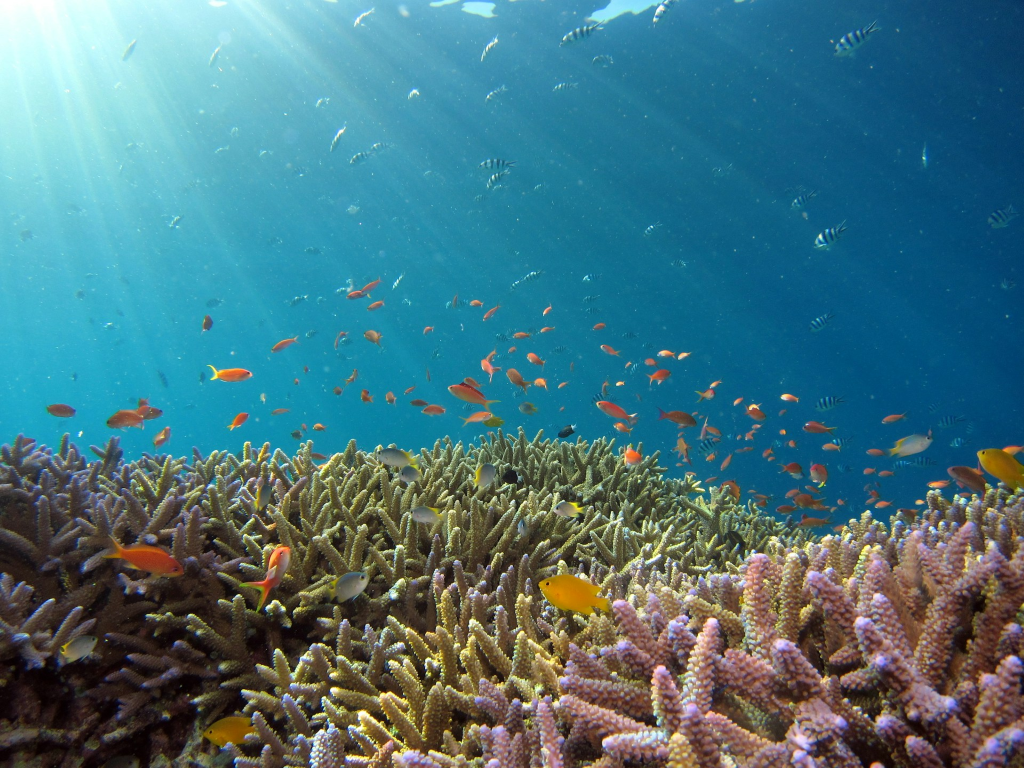
The expanded initiative will also support conservation and restoration projects in the Marshall Islands, Mexico, and the United Kingdom, focusing on more than 165,000 square kilometers of climate-resilient coral reefs identified through the 50 Reefs+ study. SkyTruth CEO John Amos said the investment will help “refine machine learning models, improving detections, and closing the observation gaps to ensure that what happens at sea no longer stays hidden.”
Working alongside a global network of conservation, science, and policy organizations, Bloomberg Philanthropies has helped strengthen protections across 11.3 million square miles of ocean over the past decade. Recent efforts have supported new marine protections in French Polynesia, mangrove conservation along Brazil’s Amazon coast, and greater transparency in tracking illegal fishing activity.