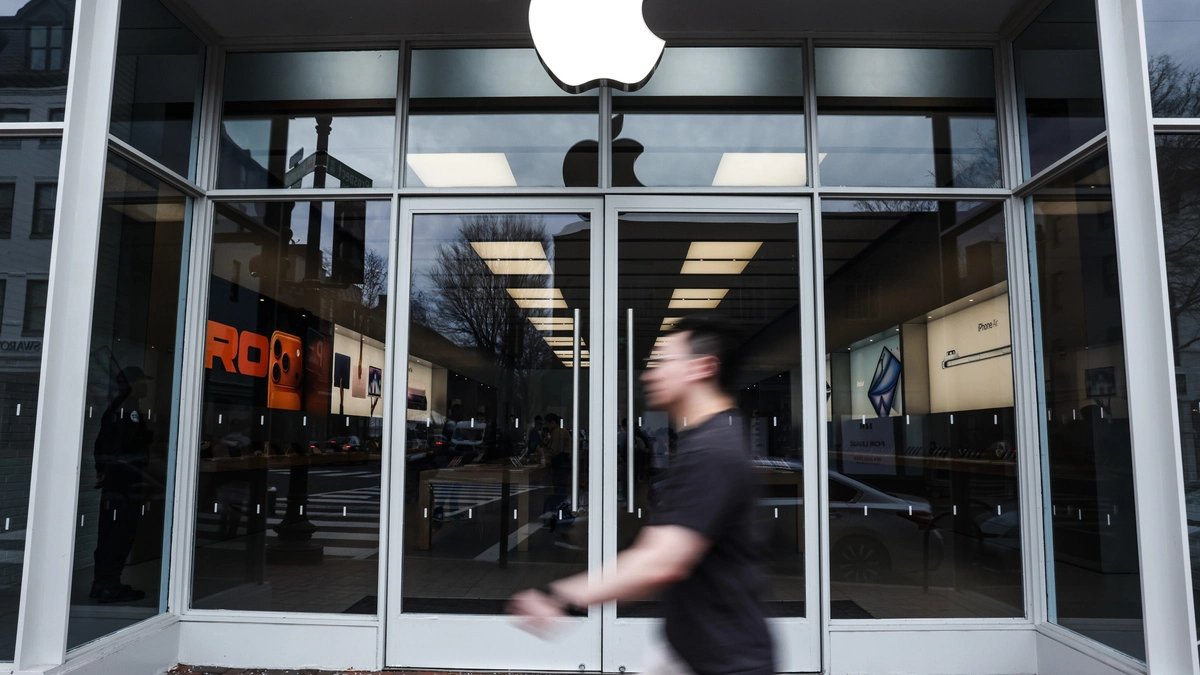
Apple According to circles, it is also examining its most important device processors in the future Intel and Samsung to be manufactured in the USA. This has not yet become an order TSMC from Taiwan remains the central technological partner. But the conversations show how much Apple is now concerned with one central question:
And this is: What happens if the world’s most important chip supply chain is no longer reliable enough?
Apple has held initial discussions with Intel about possible use of the US chip manufacturer’s contract manufacturing. According to people familiar with the matter, Apple managers also visited a Samsung factory under construction in Texas, which will also produce modern chips.
There are therefore no concrete orders yet. Discussions with both companies are still at an early stage. Apple also has reservations about manufacturing technologies outside of TSMC and could ultimately decide against additional partners. Apple, Intel, Samsung and TSMC declined to comment.
For more than a decade, Apple has been developing the main processors of its devices itself. These so-called systems-on-a-chip are primarily manufactured by Taiwan Semiconductor Manufacturing Co. in Taiwan. The latest iPhones and Macs use chips in the 3-nanometer process.
This close relationship with TSMC has given Apple technological advantages, but makes the company vulnerable to bottlenecks. Recently, the massive expansion of AI data centers and stronger-than-expected demand for Macs that can run AI models locally have weighed on the availability of advanced chips.
Apple boss Tim Cook addressed the problem last week when presenting the quarterly figures. “We have less flexibility in the supply chain than we normally would have,” Cook said. A shortage of chips for iPhone and Mac is slowing growth.
A possible order from Apple would be a significant success for Intel. CEO Lip-Bu Tan is trying to expand the company’s contract manufacturing business after previous attempts failed to produce the hoped-for breakthrough. A customer like Apple could help Intel attract additional external clients.
However, it is unclear whether Intel can reliably provide the technological maturity and production scale that Apple requires. It is precisely this combination that has made TSMC the dominant force in chip contract manufacturing.
Samsung is also significantly behind TSMC in this market, but has more experience than Intel. For the South Korean company, a collaboration with Apple would still be particularly noteworthy: both companies compete directly with each other in smartphones and other product areas.
According to the information, the discussions began before the most recent bottlenecks. In addition to securing the supply chain, a collaboration with Intel could also be politically advantageous for Apple. Some managers see this as an opportunity to improve their relationship with the government Donald Trump to strengthen. The White House brokered an unusual government investment in Intel last year and sees the company as a national champion.
Cook has been warning for years against too much concentration of critical components in one region. Taiwan in particular is considered a sensitive location because China considers the democratically governed island to be part of its national territory. Already in 2022, Cook said loudly Bloomberg in a staff meeting, “60 percent from any location” is probably not a strategically sensible position – regardless of how you think about it.
Apple is already working closely with TSMC to expand production in Phoenix, Arizona. TSMC is currently producing a limited number of chips for Apple there. The iPhone company said it plans to purchase around 100 million chips from Arizona in 2026.
However, this amount only covers a small portion of Apple’s annual device shipments. Accordingly, concerns about possible disruptions remain – particularly in the event of an escalation around Taiwan.
In addition to the main processors, Apple, like other technology companies, is also struggling with shortages of memory chips. However, according to Cook, the bigger issue right now is the availability of advanced manufacturing nodes for the SoCs. “The key constraint is the availability of the advanced nodes on which our SoCs are produced, not the memory,” he said.
Mac mini and Mac Studio are among those affected. The iPhone 17 Pro line also experienced strains in the supply chain. According to Bloomberg, Apple is working to prevent the shortages from spreading to other product lines such as AirPods and Apple Watch. (duc/Bloomberg)