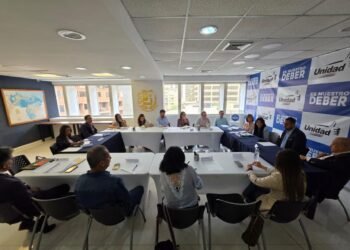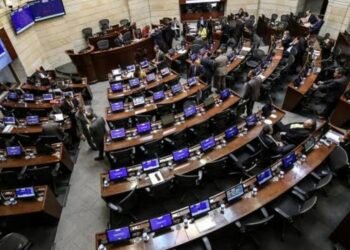
The National Assembly elected in 2015 thanked this Friday the North American Secretary of State, Marco Rubio, and the US government for their support of the transition process in Venezuelaafter the restoration of access to information portals that remained blocked in the country began.
The reaction came after Juan Pablo Segura, in charge of the State Department for Latin America, attributed the unlocking to the progress of the Donald Trump administration’s three-phase plan for Venezuela.
“The Trump administration’s three-phase plan continues to produce results. Yesterday, access to many online portals was again available in Venezuela after years of censorship. This is a strong sign that we continue to make progress in Venezuela after January 3,” Segura said in X.
The delegation of the 2015 National Assembly responded to the US official with recognition of Washington, although he made it clear that the lifting of restrictions must include the media that remain inaccessible.
“We thank Secretary Marco Rubio and the United States for continuing to promote the three-phase transition plan. We will continue to demand that all portals be unlocked,” he said.
VE Sin Filtro confirms that 79 news domains remain blocked after Conatel’s announcement
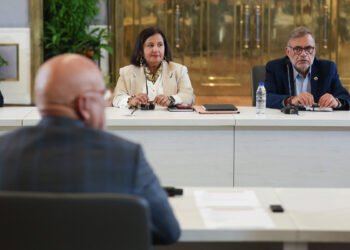
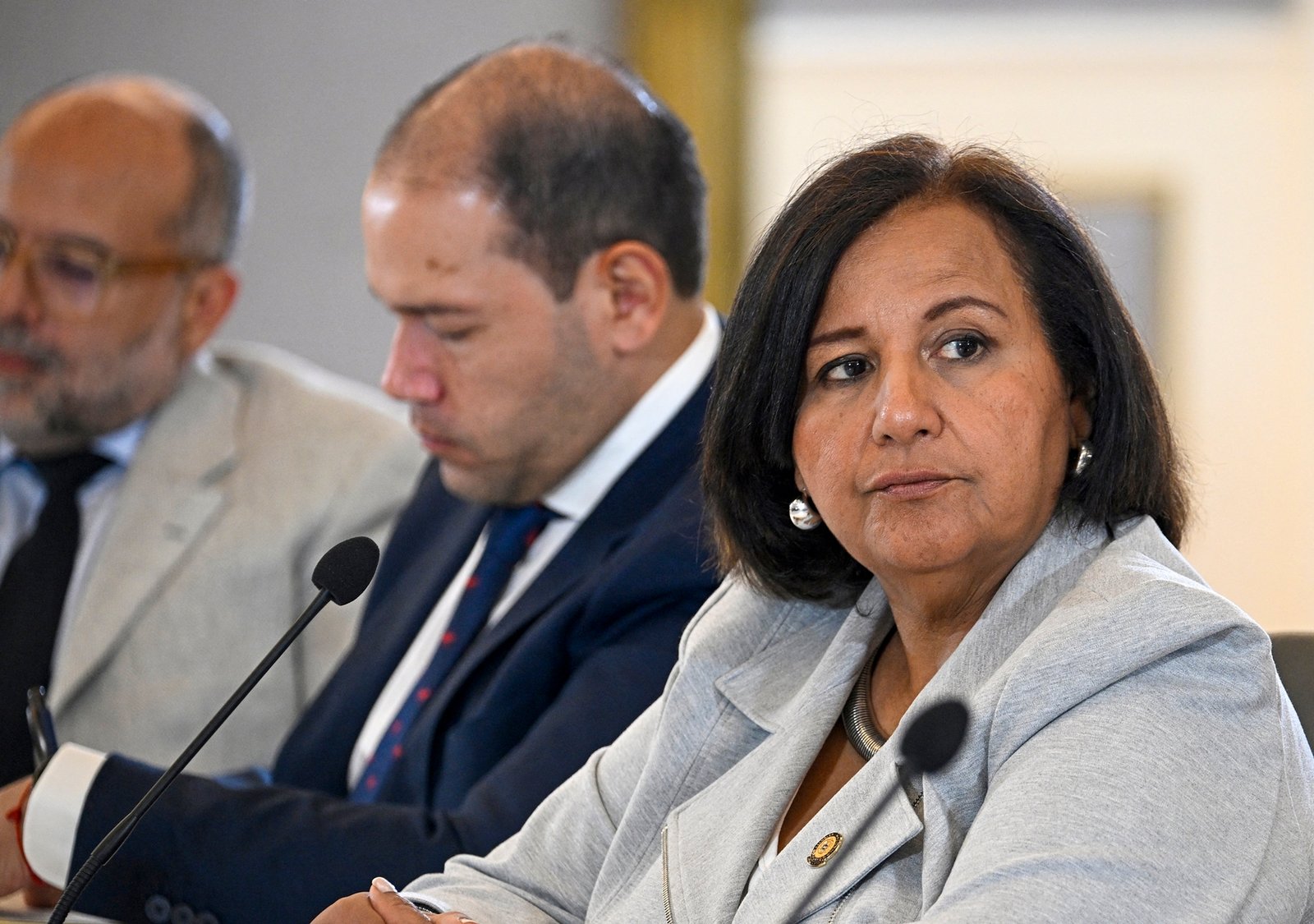
The restoration of access began on Thursday, when the National Telecommunications Commission (Conatel) reported that it had technically notified internet providers to enable various national and international media domains. The measure coincided with the beginning of the second cycle of dialogue between representatives of the interim government of Delcy Rodríguez and the delegation of the 2015 National Assembly, chaired by Dinorah Figuera, whose agenda includes freedom of expression.
However, the scope of the measure is still partial. He National College of Journalists (CNP) It initially reported on the unblocking of 8 portals and maintained that another 54 media outlets continued to have limited access. The union asked for guarantees to prevent the restrictions from being repeated and demanded to investigate which organizations or officials were behind the blockades.
“Although we celebrate the measure, we do not consider it sufficient to speak of a free, democratic and balanced exercise of journalism in Venezuela,” said the CNP.
A subsequent verification by VE Sin Filtro expanded the record of the survey. The organization identified 17 news domains unblocked on at least one provider, corresponding to 14 sites, including El Pitazo, Cocuyo Effect, Crónica Uno, Caraota Digital, El Carabobeño, Alberto News, We Monitor, El Tiempo, Semana, Informative Focus, Runrun.es, El Estímulo and Efe. At the same time, it counted 79 news domains that remained blocked.
The difference between the CNP and VE Sin Filtro records responds to the time and verification criteria used by each organization: while the union reported the initial number of unblocked portals, VE Sin Filtro subsequently verified domains accessible from at least one of the providers.
He National Union of Press Workers (SNTP) asked Conatel to publish the complete list of media and domains whose authorization was communicated to the operators. He maintained that this information would make it possible to determine the scope of the measure and verify that the restoration of access occurs in all providers.