
An entire decade has passed since the protests began in defense of national parks, dams, rivers, soil protection and, failing that, the people themselves.
Dominicans have demonstrated admirable maturity and capacity for mobilization in defense of natural resources. These struggles have not only brought together activists, but also to agricultural communities, youth, scientists and the churchmanaging to stop large-scale projects and set historical precedents.
Defense of Valle Nuevo
Since 2017, several press headlines published how different actors were uniting in defense of the Valle Nuevo National Park, in Constanza.
Known as the “Mother of Waters” for hosting the birth of the country’s main rivers (such as the Yuna and Yaque del Sur)Valle Nuevo was suffering an alarming process of degradation due to intensive agriculture, the illegal diversion of rivers for irrigation and deforestation within the protected area.
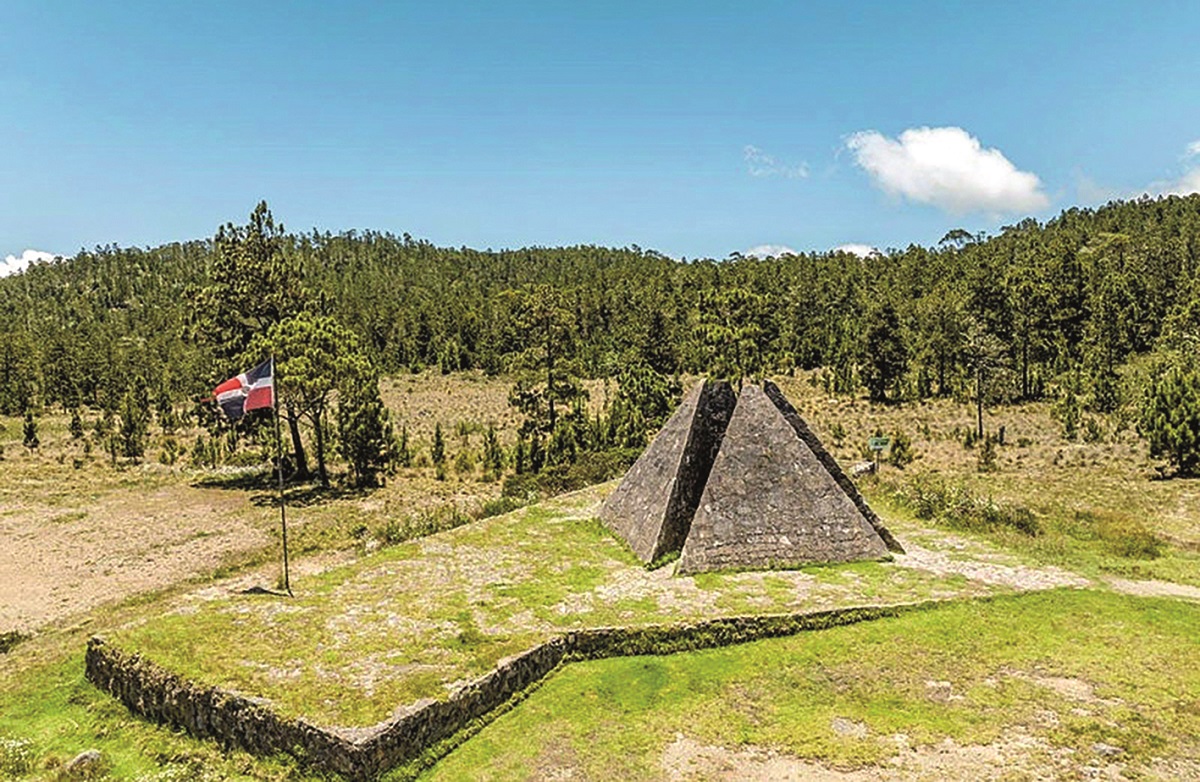
The Pyramids, Valle Nuevo, Constanza
National public opinion and environmental coalitions demanded strict application of the Environmental Law 64-00. Backed by this social clamor, the authorities issued the resolution 14-2016 which prohibits commercial agricultural activities in the park.
Despite this resolution, years passed and the clamor continued. Although the tensions generated with local producers were many, the resistance of civil society allowed the dismantling of kilometers of illegal pipelines and the departure of large agricultural consortiums from the area, releasing significant flows of water that returned to their natural basins.
Las Placetas hydroelectric project
The Dominican Hydroelectric Generation Company (EGEHID) promoted the reactivation of the hydroelectric complex The Placetas, in San José de las Matas.
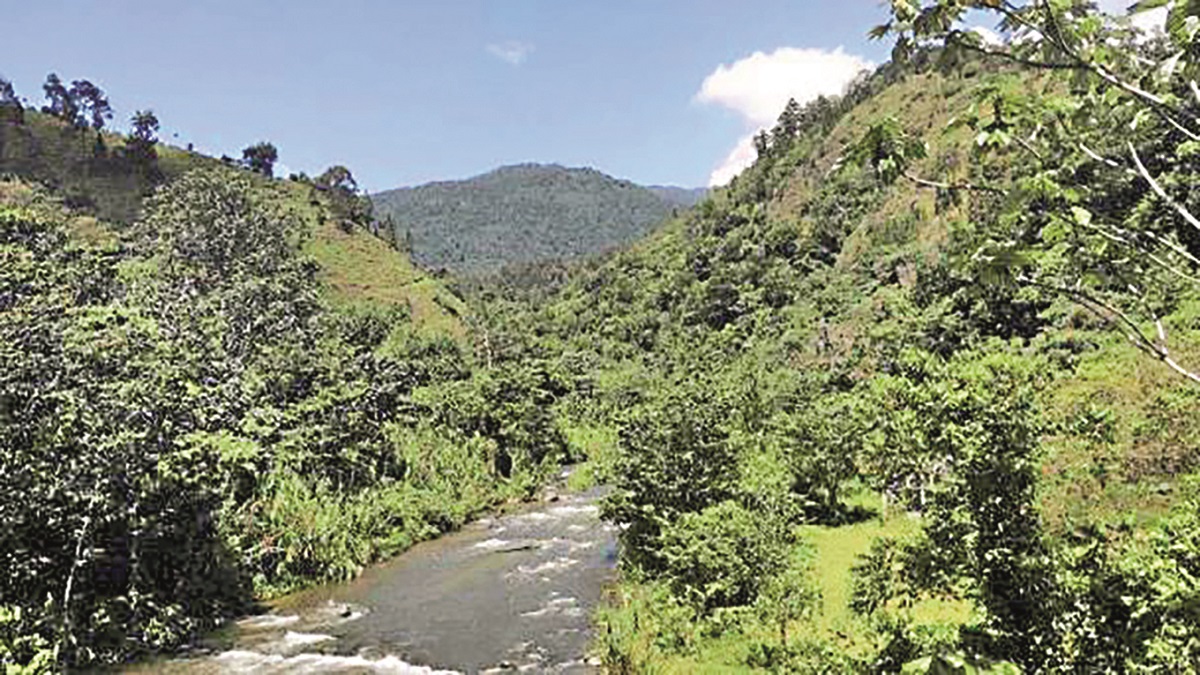
The Placetas
However, the community members did not take long to raise their voices in opposition. Communities of the Sierra, such as Jánico, San José de las Matas and El Rubio, were grouped under the Coalition of Socio-Environmental Organizations of the Sierra and rose up in continuous protests.
The mountain people denounced that the activation of this dam would irreversibly dry out the Jagua and Bao rivers, at the same time destroying emblematic spas and would cause ecotourism to collapse in those areas.
The EGEHID company has tried through dialogue, positive social impacts in those localities, conversation with the authorities to achieve the unification of the opposition people, but the results remain the same.
Thanks to various mobilizations, civil society forced the authorities to open technical and social dialogue tables, which has resulted in the project being constantly hindered by the impossibility of obtaining the essential “social license” from the community members.
Electric barge in Puerto Viejo
The installation of floating electricity generation barges based on fossil fuels in the area of Old Port of Azuawas another fact that generated an immediate ecological alarm
When this information became public knowledge, Azua activists and environmental groups from all over the country denounced that the operation of these thermal plants directly impacted the Puerto Viejo Mangrove Wildlife Refugea coastal area of high ecological fragility, threatening marine fauna and the health of coastal populations.
The advocates, environmentalists and community members They rose with intense days of local protest and legal appeals before the courts, which raised the national debate on the limits of the energy matrix compared to protected areas.
In a note published by this medium in September 2025, it indicates that the same year in which the vessel entered into operation, the Ministry of the Environment notified the company of a fuel spill.
Illegal sand extraction in rivers
The construction sector has experienced a great boom, but it has fueled an informal network of extraction of aggregates (sand and gravel) directly from the channels of vital rivers such as the Nizao, Tireo, Haina and Camú.
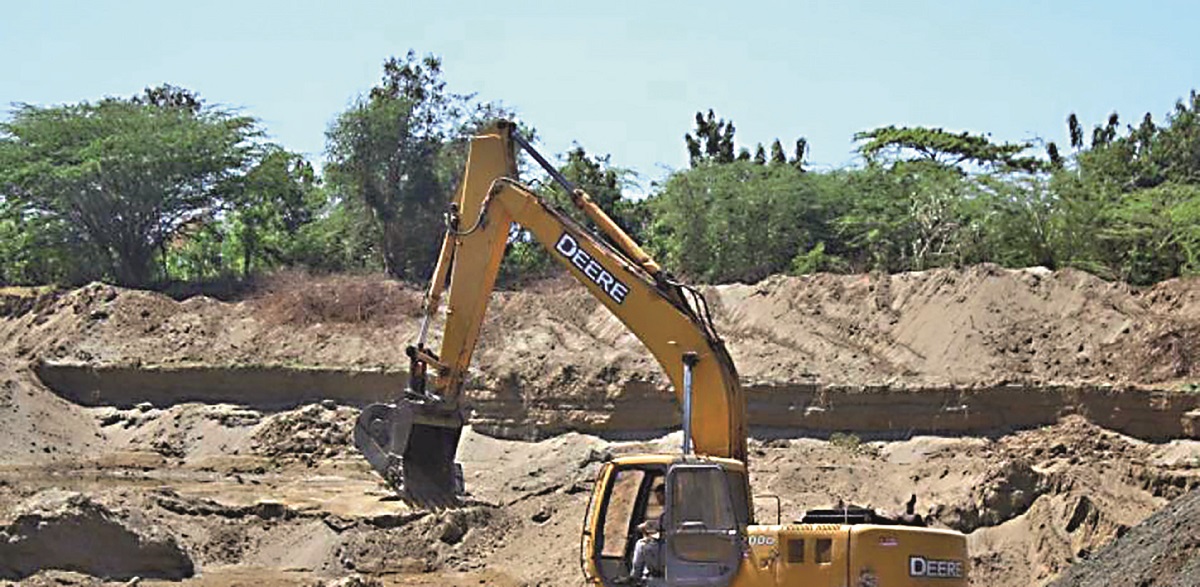
The construction sector has fed the network of extraction of aggregates from rivers.
Local and independent environmental defenders have become the first line of defense, even risking their lives by denouncing and physically blocking the trucks and equipment used for the illegal extraction of gravel and sand.
This fight gained national relevance in 2024 when the farmer Francisco Ortiz in Constance it was tragically murdered by oppose extraction in the Tireus Riverwhich ignited a wave of indignation throughout society.
Pressure from the people forced the authorities to declare the intervention of rivers an environmental emergency and has tightened oversight and the application of penalties against environmental crimes throughout the territory.
The defense of water in San Juan de la Maguana
One of the great issues to defend has been the water resource. The most recent case has been that of Saint John John, protest that started locally and spread to the entire country.
The Canadian mining company Gold Quest has tried for several years to obtain an exploitation permit to extract gold and other metals in the structure of the Tireo formation, in the Central Mountain Range.
This could in direct risk to the water of the Sabaneta dam and on which more than 130,000 agricultural production tasks and human consumption in the province depend.
What the company did not expect at this time was to face massive opposition from its communities. Farmers, social organizations and the Diocese of San Juan They joined together under the premise that mining activity would threaten the upper basin of the San Juan River and the water of the Sabaneta dam.
For several days in a row the eye of the national press, as well as the entire town, went to the granary of the south, and began to support by raising their voices in different ways so that the same thing as in Sánchez Ramírez does not happen in San Juan.
Strong social pressure, expressed in massive marches, has kept the project under constant community rejection and institutional delays, causing the order to be suspended for the moment.