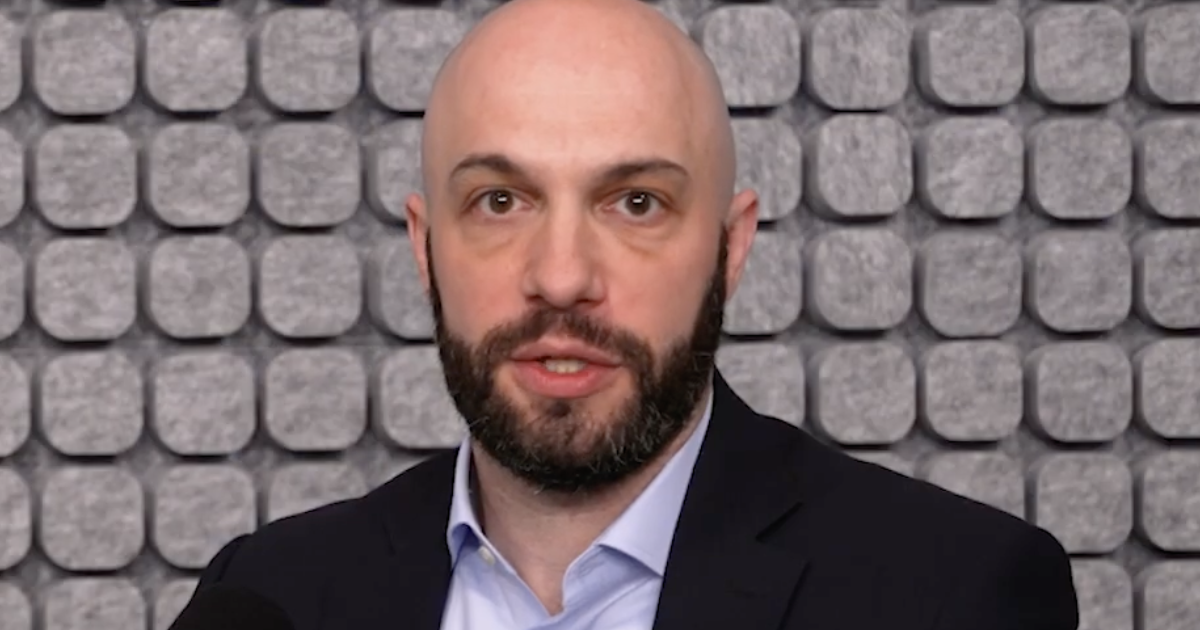
Countries with strong sovereign credit ratings typically have deeper and more diversified capital markets, giving them multiple funding options during times of economic stress, a senior Fitch Ratings analyst Joshua Grundleger told Guardian Business recently.
Grundleger added that countries with this kinds of flexibility can enhance their resilience to external shocks.
Grundleger, who is Fitch Ratings’ director of sovereigns for the Americas, was in town as a speaker on a panel that was part of the Caribbean Development Bank’s Annual Meeting. He said higher-rated countries generally have access to a broader range of lenders and financing tools than countries with less-developed capital markets.
The Bahamas is generally seen to have a nascent capital markets scene, though there have been plans floated for years to expand it.
While the Bahamas International Securities Exchange (BISX) is a strong capital markets system for a small economy, it lacks the depth, liquidity and diversity of issuers and investors typically found in more mature markets. It also lacks a broad range of active participants and financing instruments capable of providing the government and private sector with multiple avenues for raising capital.
The idea of a junior stock market has been posed, but not yet implemented.
Grundleger’s comments come as The Bahamas continues to rely heavily on domestic government securities, including treasury bills and Bahamas registered stock, while also accessing funding through multilateral institutions such as the Inter-American Development Bank, Caribbean Development Bank and other external lenders.
“Countries that have higher ratings, you know, all else equal, they tend to have deeper capital markets, they have a lot of players internationally and domestically, that are willing to lend on different terms,” Grundleger said.
“And that gives a level of security that, when the business cycle moves up and down, there’s going to be lenders there.”
He added that the mix between domestic and foreign borrowing, as well as local and foreign currency debt, can influence a country’s vulnerability to shocks.
As an example of a country that has strengthened its resilience, Grundleger pointed to Jamaica, which he said entered last year’s Hurricane Melissa with a diversified set of financial resources already in place.
“Jamaica had a whole mix of different tools,” he said.
“They had good relationships with the multilaterals, they had they had cash contingency funds at home, they had their cat (catastrophe) bonds.”
Grundleger noted that no single financing model is appropriate for every country, but the ability to draw upon multiple sources of funding can improve a country’s ability to recover from disasters and economic disruptions.
“That model of having this multilayered approach of different resources that can be mobilized at different speeds for different purposes, different relationships, I think they really helped Jamaica when the hurricane hit,” he said.
“I think that’s sort of the broad toolkit that gives us [rating agencies] a little bit more confidence that a given country is strengthening itself to respond to risks.”