Monday, May 4, 2026
    The GeoStrategic Consensus
    No Result
    View All Result
    • Login
    • HOME
    • AMERICAS
      • Argentina
      • Brazil
      • Canada
      • Chile
      • Colombia
      • Costa Rica
      • Cuba
      • Dominican Republic
      • Ecuador
      • El Salvador
      • Greenland
      • Guatemala
      • Honduras
      • Mexico
      • Nicaragua
      • Panama
      • Paraguay
      • Peru
      • United States
      • Uruguay
      • Venezuela
    • ASIA-PACIFIC
      • Australia
      • Brunei Darussalam
      • Cambodia
      • China
      • Federated States of Micronesia
      • Fiji
      • Indonesia
      • Japan
      • Kiribati
      • Laos
      • Malaysia
      • Marshall Islands
      • Mongolia
      • Myanmar
      • Nauru
      • New Zealand
      • North Korea
      • Palau
      • Papua New Guinea
      • Philippines
      • Samoa
      • Singapore
      • Solomon Islands
      • South Korea
      • Taiwan
      • Thailand
      • Timor-Leste
      • Tonga
      • Tuvalu
      • Vanuatu
      • Vietnam
    • CARICOM
      • CARICOM – Non-English
        • Haiti
        • Suriname
      • CARICOM Associates
        • Anguilla
        • Bermuda
        • British-Virgin-Islands
        • Cayman-Islands
        • Curacao
        • Turks-and-Caicos
      • CARICOM English
        • Antigua and Barbuda
        • Barbados
        • Belize
        • Dominica
        • Grenada
        • Guyana
        • Jamaica
        • Montserrat
        • Saint Kitts and Nevis
        • Saint Lucia
        • Saint Vincent and the Grenadines
        • The Bahamas
        • Trinidad and Tobago
    • EURASIA
      • Armenia
      • Azerbaijan
      • Balarus
      • Georgia
      • Kazakhstan
      • Kyrgyzstan
      • Moldova
      • Russia
      • Tajikistan
      • Turkmenistan
      • Ukraine
      • Uzbekistan
    • EUROPE
      • Albania
      • Andorra
      • Austria
      • Bosnia and Herzegovina
      • Bulgaria
      • Croatia
      • Cyprus
      • Czech Republic
      • Denmark
      • Estonia
      • Finland
      • France
      • Germany
      • Greece
      • Holy See
      • Hungary
      • Iceland
      • Ireland
      • Italy
      • Kosovo
      • Latvia
      • Liechtenstein
      • Lithuania
      • Luxembourg
      • Malta
      • Monaco
      • Montenegro
      • Netherlands
      • North Macedonia
      • Norway
      • Poland
      • Portugal
      • Romania
      • San Marino
      • Serbia
      • Slovakia
      • Slovenia
      • Spain
      • Sweden
      • Switzerland
      • United Kingdom
    • MIDDLE EAST AND NORTH AFRICA
      • Algeria
      • Bahrain
      • Egypt
      • Iran
      • Iraq
      • Israel
      • Jordan
      • Kuwait
      • Lebanon
      • Lybia
      • Morocco
      • Oman
      • Palestinian Territories
      • Qatar
      • Saudi Arabia
      • Syria
      • Tunisia
      • Turkey
      • United Arab Emirates
      • Western Sahara
      • Yemen
    • SOUTH ASIA
      • Afghanistan
      • Bangladesh
      • Bhutan
      • India
      • Maldives
      • Nepal
      • Pakistan
      • Sri Lanka
    • SUB-SAHARAN AFRICA
      • Angola
      • Benin
      • Botswana
      • Burkina Faso
      • Burundi
      • Cabo Verde
      • Cameroon
      • Central African Republic
      • Chad
      • Comoros
      • Cote d’Ivoire
      • Democratic Republic of the Congo
      • Djibouti
      • Equatorial Guinea
      • Eritrea
      • Eswatini
      • Ethiopia
      • Gabon
      • Gambia
      • Ghana
      • Guinea
      • Guinea Bissau
      • Kenya
      • Lesotho
      • Liberia
      • Madagascar
      • Malawi
      • Mali
      • Mauritania
      • Mauritius
      • Mozambique
      • Namibia
      • Niger
      • Nigeria
      • Republic of the Congo
      • Rwanda
      • Sao Tome and Principe
      • Senegal
      • Seychelles
      • Sierra Leone
      • Somalia
      • South Africa
      • South Sudan
      • Sudan
      • Tanzania
      • Togo
      • Uganda
      • Zambia
      • Zimbabwe
    • HOME
    • AMERICAS
      • Argentina
      • Brazil
      • Canada
      • Chile
      • Colombia
      • Costa Rica
      • Cuba
      • Dominican Republic
      • Ecuador
      • El Salvador
      • Greenland
      • Guatemala
      • Honduras
      • Mexico
      • Nicaragua
      • Panama
      • Paraguay
      • Peru
      • United States
      • Uruguay
      • Venezuela
    • ASIA-PACIFIC
      • Australia
      • Brunei Darussalam
      • Cambodia
      • China
      • Federated States of Micronesia
      • Fiji
      • Indonesia
      • Japan
      • Kiribati
      • Laos
      • Malaysia
      • Marshall Islands
      • Mongolia
      • Myanmar
      • Nauru
      • New Zealand
      • North Korea
      • Palau
      • Papua New Guinea
      • Philippines
      • Samoa
      • Singapore
      • Solomon Islands
      • South Korea
      • Taiwan
      • Thailand
      • Timor-Leste
      • Tonga
      • Tuvalu
      • Vanuatu
      • Vietnam
    • CARICOM
      • CARICOM – Non-English
        • Haiti
        • Suriname
      • CARICOM Associates
        • Anguilla
        • Bermuda
        • British-Virgin-Islands
        • Cayman-Islands
        • Curacao
        • Turks-and-Caicos
      • CARICOM English
        • Antigua and Barbuda
        • Barbados
        • Belize
        • Dominica
        • Grenada
        • Guyana
        • Jamaica
        • Montserrat
        • Saint Kitts and Nevis
        • Saint Lucia
        • Saint Vincent and the Grenadines
        • The Bahamas
        • Trinidad and Tobago
    • EURASIA
      • Armenia
      • Azerbaijan
      • Balarus
      • Georgia
      • Kazakhstan
      • Kyrgyzstan
      • Moldova
      • Russia
      • Tajikistan
      • Turkmenistan
      • Ukraine
      • Uzbekistan
    • EUROPE
      • Albania
      • Andorra
      • Austria
      • Bosnia and Herzegovina
      • Bulgaria
      • Croatia
      • Cyprus
      • Czech Republic
      • Denmark
      • Estonia
      • Finland
      • France
      • Germany
      • Greece
      • Holy See
      • Hungary
      • Iceland
      • Ireland
      • Italy
      • Kosovo
      • Latvia
      • Liechtenstein
      • Lithuania
      • Luxembourg
      • Malta
      • Monaco
      • Montenegro
      • Netherlands
      • North Macedonia
      • Norway
      • Poland
      • Portugal
      • Romania
      • San Marino
      • Serbia
      • Slovakia
      • Slovenia
      • Spain
      • Sweden
      • Switzerland
      • United Kingdom
    • MIDDLE EAST AND NORTH AFRICA
      • Algeria
      • Bahrain
      • Egypt
      • Iran
      • Iraq
      • Israel
      • Jordan
      • Kuwait
      • Lebanon
      • Lybia
      • Morocco
      • Oman
      • Palestinian Territories
      • Qatar
      • Saudi Arabia
      • Syria
      • Tunisia
      • Turkey
      • United Arab Emirates
      • Western Sahara
      • Yemen
    • SOUTH ASIA
      • Afghanistan
      • Bangladesh
      • Bhutan
      • India
      • Maldives
      • Nepal
      • Pakistan
      • Sri Lanka
    • SUB-SAHARAN AFRICA
      • Angola
      • Benin
      • Botswana
      • Burkina Faso
      • Burundi
      • Cabo Verde
      • Cameroon
      • Central African Republic
      • Chad
      • Comoros
      • Cote d’Ivoire
      • Democratic Republic of the Congo
      • Djibouti
      • Equatorial Guinea
      • Eritrea
      • Eswatini
      • Ethiopia
      • Gabon
      • Gambia
      • Ghana
      • Guinea
      • Guinea Bissau
      • Kenya
      • Lesotho
      • Liberia
      • Madagascar
      • Malawi
      • Mali
      • Mauritania
      • Mauritius
      • Mozambique
      • Namibia
      • Niger
      • Nigeria
      • Republic of the Congo
      • Rwanda
      • Sao Tome and Principe
      • Senegal
      • Seychelles
      • Sierra Leone
      • Somalia
      • South Africa
      • South Sudan
      • Sudan
      • Tanzania
      • Togo
      • Uganda
      • Zambia
      • Zimbabwe
    No Result
    View All Result
    Agentially
    No Result
    View All Result
    Home AMERICAS Costa Rica

    From oil to helium: how the crisis in the Middle East threatens hospitals and technology

    The Analyst by The Analyst
    April 13, 2026
    in Costa Rica
    From oil to helium: how the crisis in the Middle East threatens hospitals and technology


    The price of oil rose. Everyone already knows that. What few have stopped to analyze is that the real problem goes much further. Every time there is a conflict in the Middle East, the conversation boils down to a single variable. It is understandable, it is the most visible, the most immediate, the easiest to measure and explain. However, behind the price of the barrel, there is a chain of effects that touches foods, medicines, metals, industries and, therefore, people’s pockets.

    READ ALSO

    The end of an era: what toilet paper will be replaced with in homes

    The United States dominates AI with thousands of data centers, but its chips are manufactured in Taiwan

    To better understand what is happening, it is important to have a simple idea clear. When conflict disrupts the ability to produce something the world uses, prices rise. Economists call that a supply shock. It is not a new phenomenon; We lived it with the pandemic, with the war between Russia and Ukraine, and we are seeing it again today. The important thing is that this type of crashes does not stop there.

    If prices rise too much and for too long, families and businesses start spending less. Demand cools. and what It started as a production problem ends up becoming a growth problem. That is precisely the chain that is being activated today in the global economy, and that is worth understanding before it reaches the door of each home.

    AND How is this shock transmitted to the economy?? Through various channels.

    The Strait of Hormuz

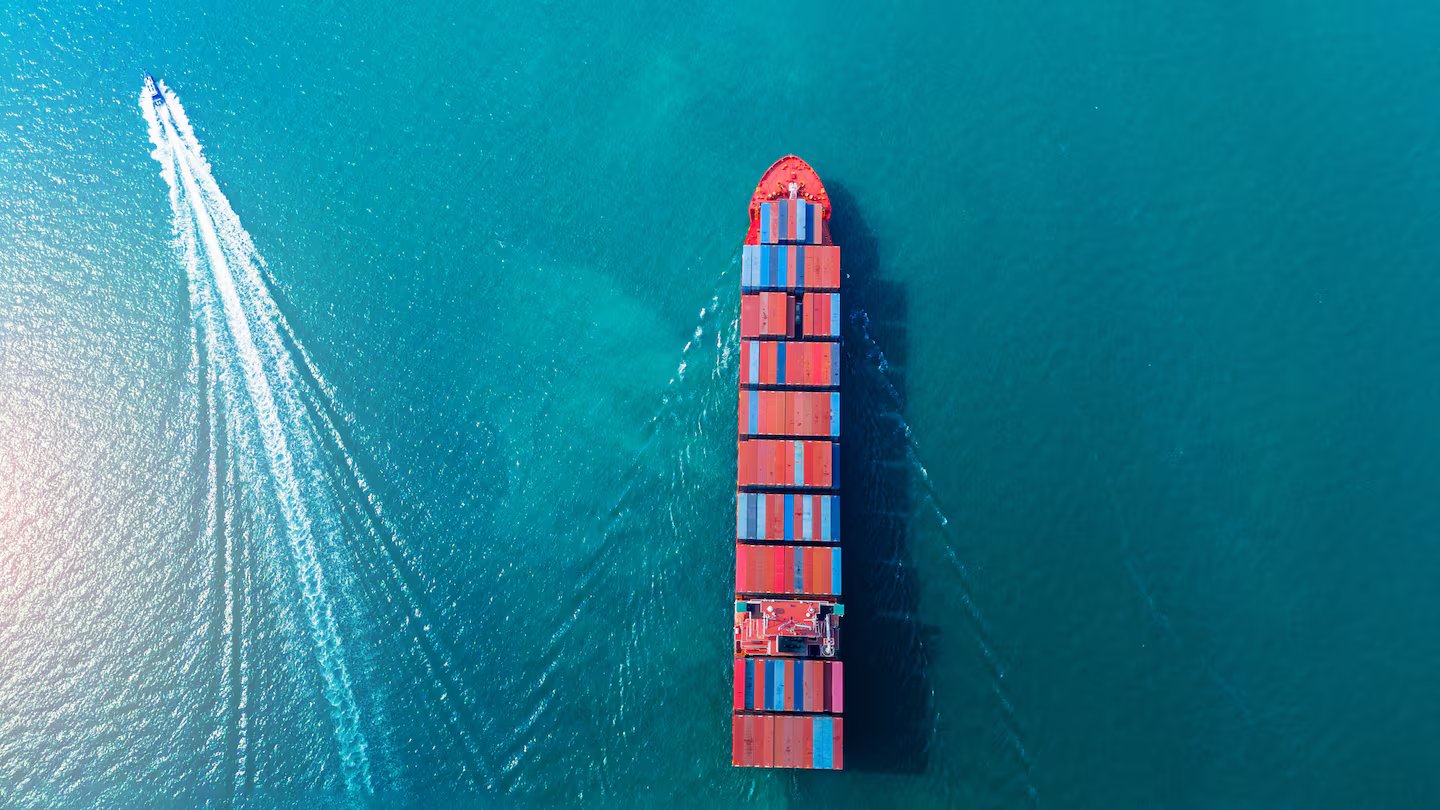
    The first channeland the most obvious, is the interruption of trade and energy transportation. The main point affected has been the Strait of Hormuz, one of the most strategic maritime passages in the world.

    Approximately a fifth of global oil and liquefied natural gas circulates there. For economies like China, India, Japan, and South Korea, this route is not optional; It is vital. In the first quarter of 2025 alone, China imported about 37% of its oil through that strait.

    But staying only with oil is repeating the same mistake from the beginning. Oil is what you see. What you don’t see is just as importantand in some cases, more worrying.

    The second channel

    What few are commenting on starts with something as basic as what we eat The same disruption in Hormuz is shaking up the global fertilizer market. About a third of the world’s seaborne fertilizer trade passes through that route. The effect is already visible in the prices: ureathe most used fertilizer in the world, went from $484 to more than $750 per ton in a matter of weeks. An increase of 55% in a very short time.

    Less fertilizer means smaller yields, and smaller yields mean less corn, less wheat, less ricethe grains that feed much of the world. When supply falls, but demand remains the same, the result is something we all know well: Higher prices in the supermarket. And not only will the cost of food go up; also that of transportation, which will make everything that reaches our table even more expensive.

    There the crash stops being distant news. When spending on food goes up, disposable income goes down. Families adjust. They consume less in other areas. The problem that began in a strait thousands of kilometers away ends up living inside each home.

    Inputs from key industries

    The impact does not stop at the basic basket. There is a third channel which should be noted.

    The conflict is hitting inputs that support key industries. Polyethylene, the most used plastic in the world, present in packaging, pipes and medical products, depends 15% on production in the Middle East. Aluminum, essential for the automotive industry, construction and electronic devices, faces similar pressures: about 9% of its global production comes from this region. In addition, there are reports of direct attacks on plants producing polyethylene, urea, natural gas and aluminum.

    As if this were not enough, we have the case of helium. It is not a merely decorative gas. It is essential for MRI equipment in hospitals and for manufacturing semiconductorsthe chips that power everything from a phone to a car. About a quarter of global supply could be affected.

    When these pieces come together, the picture changes completely. We are no longer just talking about an energy problem. We are talking about a disruption that simultaneously affects health, agriculture, industry, logistics and technology. In simple words, the problem goes beyond oil.

    And if all of the above were not enough, there is a greater risk that encompasses everything: global trade.

    If the conflict continues, Iran has threatened to go further, block the Bab el-Mandeb Strait, the gateway to the Suez Canalwhere It transits 25% of world trade. A blockade there would force routes around Africa to be diverted, skyrocketing logistics costs and delivery times significantly. In other words, the problem would no longer be just one of prices. It would change the way the world trades.

    What does all this mean for 2026?

    In 2025, despite the noise of tariffs and trade tensions, the world economy showed the ability to adapt. Companies adjusted their supply chains; some diversified markets and learned to operate in uncertainty. But 2026 appears more complex. This is not a new temporary scare, but a shock with the capacity to simultaneously affect prices, trade, logistics costs and confidence of consumers and investors.

    The environment bears similarities to that of 2022, when the war between Russia and Ukraine broke out. And, as then, not all countries face this blow from the same position: some benefit, others have room to absorb it and others simply do not have it. It is worth remembering that, in that episode, oil reached close to $125 per barrel, above the levels we have seen until now and, even so, the world moved forward. The effects turned out to be less severe than analysts had predicted.

    Recently, the United States and Iran They agreed to a 15-day trucenews that brought momentary relief to the markets. But a truce is not a peace, and 15 days do not resolve the root causes of a conflict that has been brewing for years. There is still no clarity about the magnitude of the damage to oil infrastructure or to the industries that produce agrochemicals, plastics and gas, nor about how much longer the conflict will last. The price of oil may go down and the markets may calm down, but The chain of effects we have described will not disappear with a temporary agreement.

    dortiz@cefsa.cr

    Luis Liberman and Daniel Ortiz are economists.



    Source link

    Related Posts

    The end of an era: what toilet paper will be replaced with in homes
    Costa Rica

    The end of an era: what toilet paper will be replaced with in homes

    May 4, 2026
    The United States dominates AI with thousands of data centers, but its chips are manufactured in Taiwan
    Costa Rica

    The United States dominates AI with thousands of data centers, but its chips are manufactured in Taiwan

    May 4, 2026
    United States golden visa: Only one person has managed to obtain it and this is the millionaire requirement
    Costa Rica

    United States golden visa: Only one person has managed to obtain it and this is the millionaire requirement

    May 4, 2026
    Sonia Herrera, breast cancer survivor: ‘I want to motivate all women to take care of themselves, have their annual check-ups and not let fear stop them’
    Costa Rica

    Sonia Herrera, breast cancer survivor: ‘I want to motivate all women to take care of themselves, have their annual check-ups and not let fear stop them’

    May 4, 2026
    In El Adriático, every visit comes to fruition: Get to know the Luján neighborhood bar again
    Costa Rica

    In El Adriático, every visit comes to fruition: Get to know the Luján neighborhood bar again

    May 4, 2026
    Business attention: the GAM grows towards the northwest; know which areas are gaining population and which are losing
    Costa Rica

    Business attention: the GAM grows towards the northwest; know which areas are gaining population and which are losing

    May 3, 2026
    Next Post
    The AIFA train policy is awarded to Seguros Atlas

    The AIFA train policy is awarded to Seguros Atlas

    POPULAR NEWS

    Justin Bieber fans flood Coachella festival for headlining show – Entertainment

    Justin Bieber fans flood Coachella festival for headlining show – Entertainment

    April 20, 2026

    Over 600 flee homes as Army, NPA clash in Negros Occidental

    April 21, 2026

    Ex-DPWH exec recalls P800-M ‘delivery’ to Zaldy Co 

    April 20, 2026

    Former PM Paluckas suspends party membership, to waive immunity over criminal probe

    April 24, 2026
    Pres. Ali challenges CARICOM to transform into health research powerhouse

    Pres. Ali challenges CARICOM to transform into health research powerhouse

    April 23, 2026

    EDITOR'S PICK

    Firas Al-Najjar Al-Zaman: I do not like staying in one school

    Firas Al-Najjar Al-Zaman: I do not like staying in one school

    May 3, 2026
    Matanzas: The crisis also haunts Cubans after they die

    Matanzas: The crisis also haunts Cubans after they die

    April 10, 2026
    Wondering at the silence about “one of Iceland’s main concerns”

    Wondering at the silence about “one of Iceland’s main concerns”

    April 27, 2026
    NLA final Davos vs. Friborg: HCD welcomes Gottéron in game 3 of the final series

    NLA final Davos vs. Friborg: HCD welcomes Gottéron in game 3 of the final series

    April 23, 2026

    Recent Posts

    • The armed forces evacuate the 27th batch of sick children from Gaza for treatment
    • Israeli military analyzes of the situation in Lebanon
    • Al-Quds newspaper
    • Latakia hosts festival promoting inclusion of people with disabilities

      © 2026 Agentially - Navigating shifting sovereignties and global risk .

      Welcome Back!

      Login to your account below

      Forgotten Password?

      Retrieve your password

      Please enter your username or email address to reset your password.

      Log In
      No Result
      View All Result

        © 2026 Agentially - Navigating shifting sovereignties and global risk .

        This website uses cookies. By continuing to use this website you are giving consent to cookies being used. Visit our Privacy and Cookie Policy.