He breast cancer It is one of the main oncological diseases that affects women worldwide. According to the World Health Organization (WHO), approximately 80% of cases occur in women who do not have specific risk factors, beyond female sex and age.
What you should know:
- It is a disease in which altered breast cells multiply uncontrollably and form tumors, which can appear without visible symptoms.
- It also affects men.
- Early detection saves lives.
“The process was one of the most difficult moments of my life. It was full of uncertainty, fear and many questions.”
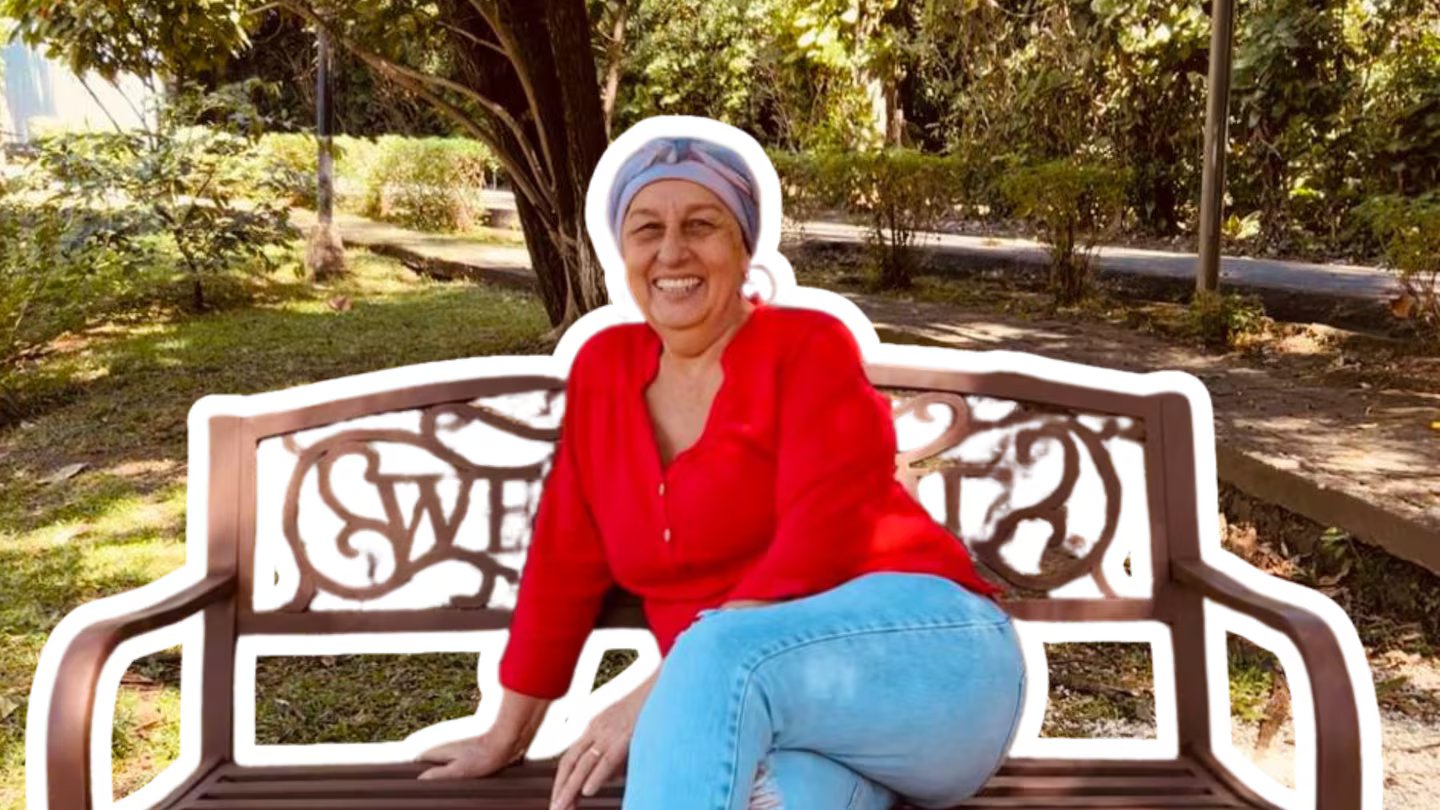
This is how Sonia Herrera Vargas, 58, begins the story of an experience that completely transformed her life. She is a wife, mother of three daughters, grandmother of two grandchildren and today she is also survivor of breast cancer.
What started as a routine ended up changing his life forever.
“It all started when I realized that I had not had my mammogram in 2025 and thanks to a neighbor’s comment, I knew that near my house There was a mobile unit called “Ya es Hora”where they were performing mammograms at an affordable cost and without thinking much about it, the next day I got up early and went,” Herrera said.
She details that that day she was the first to arrive and also the first to take the exam. However, during the procedure, the specialist decided to repeat the study twice, since she observed something suspicious and that is why they recommended that she should wait for the results.
Three days later he received the news that the mammogram had been altered. Then came the biopsy and after eight more days came the call that would change his life because the The result confirmed that he had a malignant tumor.
“The process since my cancer was detected, in June 2025, was one of the most difficult moments of my life, you see, it was full of uncertainty, fear and many questions, but it was also a path where I decided to completely cling to my faith in God,” explained the resident of San Rafael de Alajuela.
Herrera recalled that they told her to undergo a histochemical examination and a complete ultrasound of the breasts and armpits.
“We performed the first one privately, while the ultrasound was managed by the Cenrad Foundation, then I managed to be referred to Hospital México, where I got an appointment for the following week,” Herrera explained.
Fortunately, at the Mexico Hospital they performed various studies, such as a Computerized Axial Tomography (CT), blood tests and kidney evaluations. With all the results in hand, the medical team made the decision to perform surgery.
“After the operation, I received four sessions of chemotherapy and later fifteen sessions of radiotherapy, completed in March 2026. In addition, they prescribed me a treatment with pills for approximately five years, accompanied by constant medical check-ups to monitor my evolution,” explained Herrera, who is also a housewife.
When the diagnosis comes without warning
“My biggest fear was that I thought I was not going to win this battle and that I was not going to be able to continue with my family or enjoy life with them. That thought was one of the hardest to face,” Herrera recalled.
Sonia’s case reflects a reality that specialists and health authorities constantly repeat because Breast cancer often does not show visible signs in its initial stages.
He Breast cancer is a disease in which cells in the breast multiply uncontrollably, forming tumors. which can originate in the ducts or lobules. Although in early stages it can be localized, over time it can invade nearby tissues and spread to other organs.
Franklin Escobar, gynecologist and part of the MediSmart medical network explains how to identify symptoms and the importance of having tests.
“Many people believe that they must feel a lump to suspect the disease, but this is not true. In fact, the most effective tool to detect it in time is mammography, even when there are no symptoms,” Escobar clarified.
The specialist explains that there are factors that increase the probability of developing breast cancer in women:
- Be over 50 years old.
- Postmenopause, genetic mutations, breast density.
- Have a family history.
According to the gynecologist, there are also modifiable factors such as alcohol, obesity and prolonged use of methods contraceptives. However, he offers an important warning:
“There are people who do not have clear risk factors and still develop cancer,” the doctor insisted.
This reinforces the importance of controls, even in people who consider themselves healthy. Clarifies that this cancer also occurs in men.
The key is to detect it in time
According to the gynecologist, Detecting cancer in early stages can make the difference between a complex treatment and a curative one. Recommendations include:
- Do a monthly self-examination
- Get an annual mammogram starting at age 40
- Have greater control after 50
“In early stages, even surgery can be curative,” says the specialist.
For those who have already received a diagnosis, treatment against breast cancer always varies depending on the type and extent of cancer and mainly includes:
- Conservative surgeries (no longer always involves losing the breast).
- Chemotherapy.
- Radiotherapy.
- Hormonal or targeted therapies.
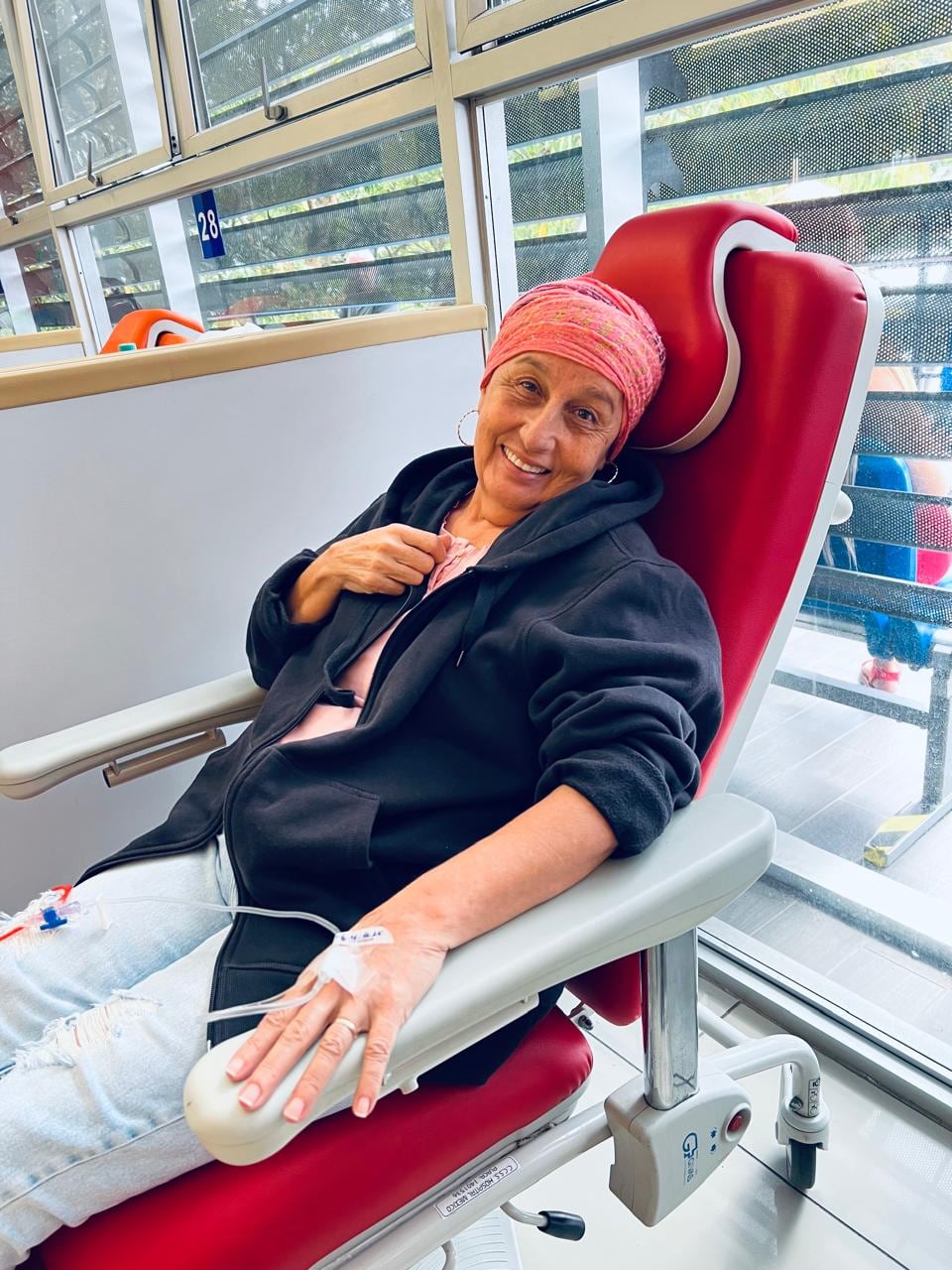
Not every lump is cancer, but everything should be checked
“Many women are afraid when they find a lump in the breast. However, most lesions are benign, such as cysts or fibroadenomas. Even so, any change should be evaluated,” said the doctor.
It is also important to pay attention to abnormal secretions, especially if they are dark, reddish or greenish.
Beyond the body there is also the emotional impact
Breast cancer doesn’t just affect you physically. It also emotionally hits the person and their entire family.
“I want to encourage all women to take care of themselves, get their annual checkups and not let fear stop them… currently, although my process continues with lifelong medical checksThank God there is no tumor in my body. “I feel healthy and lead a normal life, taking care of myself with a healthy diet and protecting myself from the sun,” explained the Alajuela neighbor.
For Sonia, breast cancer does not always mean the end, many times It is a point of transformation since after the diagnosis comes a new way of valuing life, time and health, with more awareness and gratitude.