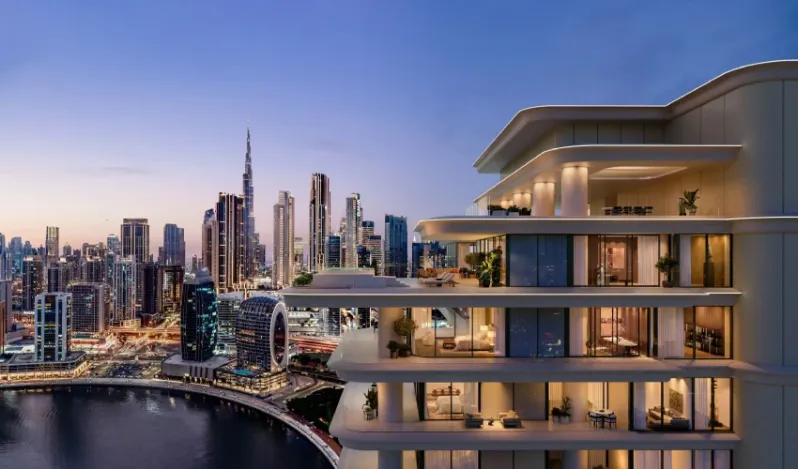
An investigative investigation revealed that a Moroccan drug baron invested millions of dollars in purchasing luxury real estate in Dubai, in a case that raises questions about the effectiveness of control over sources of funds in the UAE real estate market, in light of international investigations revealing serious gaps in its regulatory system that allow the proceeds of organized crime to be transferred into luxury real estate investments, amid difficulties faced by foreign authorities in tracking and confiscating these wealth.
An investigative investigation revealed that a drug dealer (Baron), of Moroccan origins residing in Belgium, invested millions of dollars in real estate in Dubai and made huge profits from reselling some of them.
The most prominent investigation published by the “Organized Crime and Corruption Reporting Project” (Organized Crime and Corruption Reporting Project) How did Moroccan Nasser Al-Din Trahi manage to invest millions of dollars in the real estate market in Dubai, despite his judicial record related to drug smuggling, in a case that highlights the shortcomings in tracking illicit funds and prosecuting assets being transferred across borders.
According to the investigation, Trahi bought six luxury properties in Dubai between 2019 and 2021, with a total value of $6.2 million, before selling them later.
These transactions gain their seriousness from the criminal background of their owner, who was a senior member of “The Turtles” network, a Moroccan gang active in Belgium that specializes in receiving shipments of cocaine coming from South America via containers from the Belgian port of Antwerp, according to the investigation.
Trahi was convicted in Belgium in 2013 in a drug-related case, before he was sentenced in absentia to five years in prison in February 2022, for crimes that included participation in cocaine smuggling, bribery, forgery, money laundering, and belonging to a criminal organization.
His activity, according to a Belgian court ruling issued in May 2026, was not limited to smuggling networks within Belgium. Rather, he continued to manage drug operations from Dubai and issue instructions to his partners, taking advantage of encrypted means of communication and remote surveillance cameras to follow the activities of his associates in Belgium.
These facts reveal a striking paradox in the Dubai real estate market: funds linked to a person convicted in drug cases could be converted into luxury real estate and huge profits could be made from it, while that property remained outside the reach of the Belgian authorities responsible for confiscating the proceeds of crime.
The Antwerp Court estimated the proceeds of Trahi’s crimes at about five million euros, but the Belgian authorities were unable to find, inside Belgium, only limited amounts of money, while a spokesman for the Belgian Federal Authority responsible for confiscating assets confirmed that his properties in Dubai had not been confiscated.
This gap highlights the challenges posed by the ability of suspicious funds to transform into real estate assets that are difficult to access by foreign authorities.
It also raises questions about the UAE’s leniency in receiving money in a real estate market that attracts international investments worth billions of dollars without adhering to the charters and regulations that the international system adheres to to verify its sources and conformity.
What is most questionable is that in February 2023, Trahi obtained a ten-year residency visa as a property owner, after being convicted in absentia in Belgium in 2022 in a case that included drug smuggling and money laundering.
This raises questions about the extent to which the judicial record of investors is taken into account in the procedures for granting residency through real estate ownership and the effectiveness of mechanisms for auditing sources of wealth.