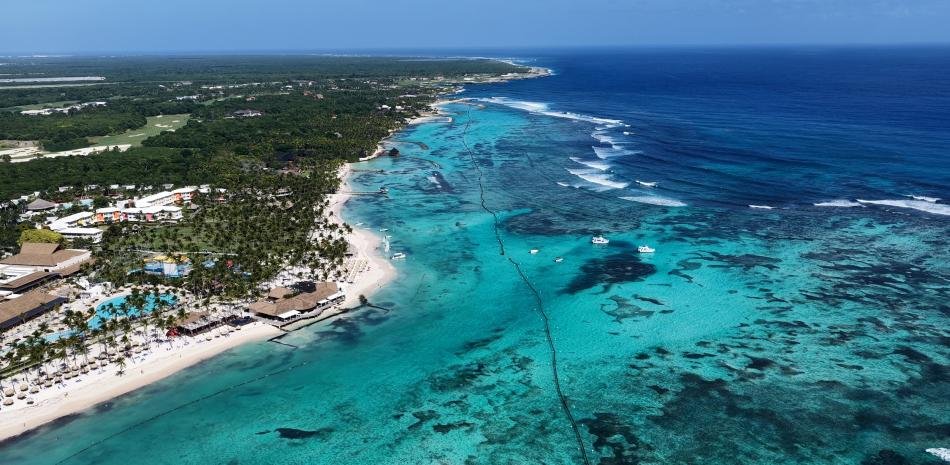
“Punta Cana exists thanks to nature, the reef, the beach, the water… That is the product we sell.” This is how Jake Kheel began to explain the project Puntacana Circular, an initiative that promises to change the solid waste management model in the most visited tourist destination in the Caribbean.
The executive vice president of the Puntacana foundation recalled that the Dominican Republic received more than 11 million visitors in 2025, “the most successful year in the history of Dominican tourism”, and that almost five million of those tourists arrived through the Punta Cana International Airport (La Altagracia province).
“We are the most visited destination in the Caribbean – Kheel continued -. However, for more than 20 years I have become the same uncomfortable question: what happens to everything we throw away? The honest answer is that most end up buried, at best. If not, it ends up in the landfill or ends up in the street, in the mountains, in the rivers or in the sea.”
Sustainability strategist and documentary filmmaker, Kheel admits that with a destination that sells paradise, “we have been remarkably tolerant with a system that is degrading silently what we sell as a destination.”
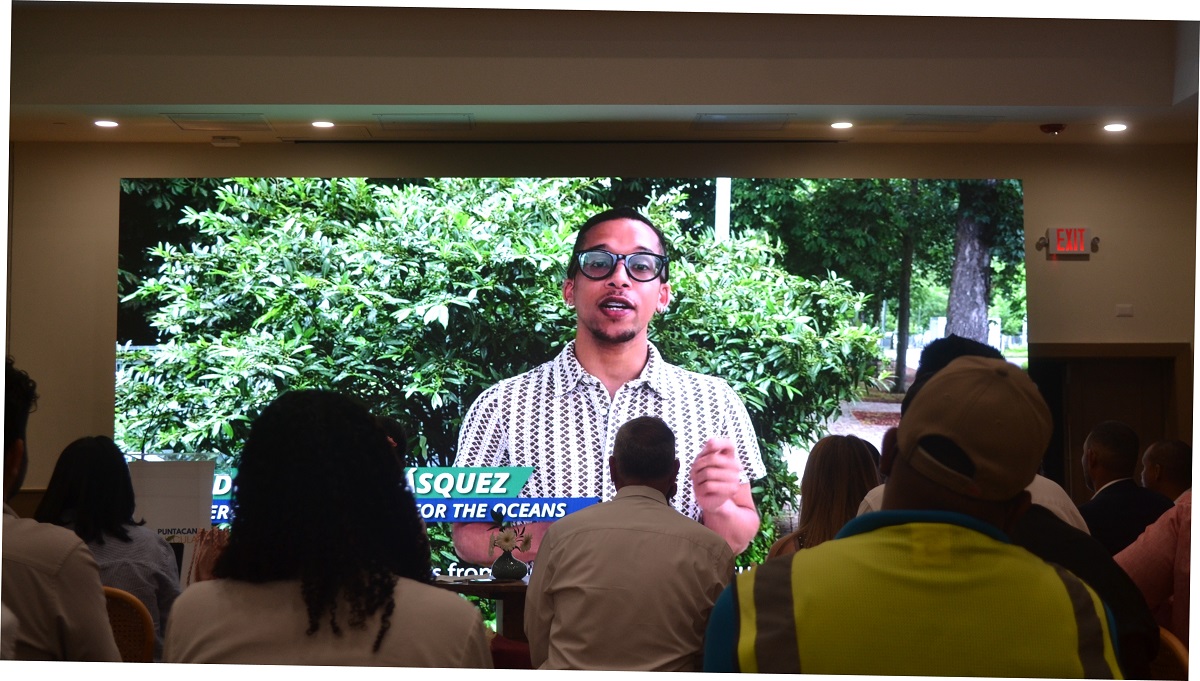
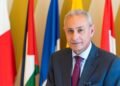
Eddy Frank Vásquez, country manager of Parley for the Oceans, shared a message with attendees virtually.
“And that has to change,” he noted in the presentation of the project on June 5.
Puntacana Circular will take care of that. The initiative of the Puntacana and Parley Dominicana foundation, supported by the Caribbean Biodiversity Fund and the Government of Germany, will be carried out over the next three years and contemplates an investment of 2.5 million dollars. What will be done?
SEPARATE. With the help of Parley Dominicana, the separation of waste at the source. 13 collection points have been established, including five hotels, the Punta Cana International Airport, two communities, a shopping center and three schools.
It is expected, Kheel said, to recover two thousand tons of recyclable materials in three years.
Parley Dominicana is the representation in the country of the global environmental network Parley for the Oceans.
CLEANING. 30 days of cleaning will be carried out on beaches, rivers and the bottom of the Southeastern Reefs Marine Sanctuary (Samar). Over these three years, some three thousand volunteers will remove 10 tons of waste from the natural environment.
At the end of the project, the generation of 125 tons of waste will have been avoided.
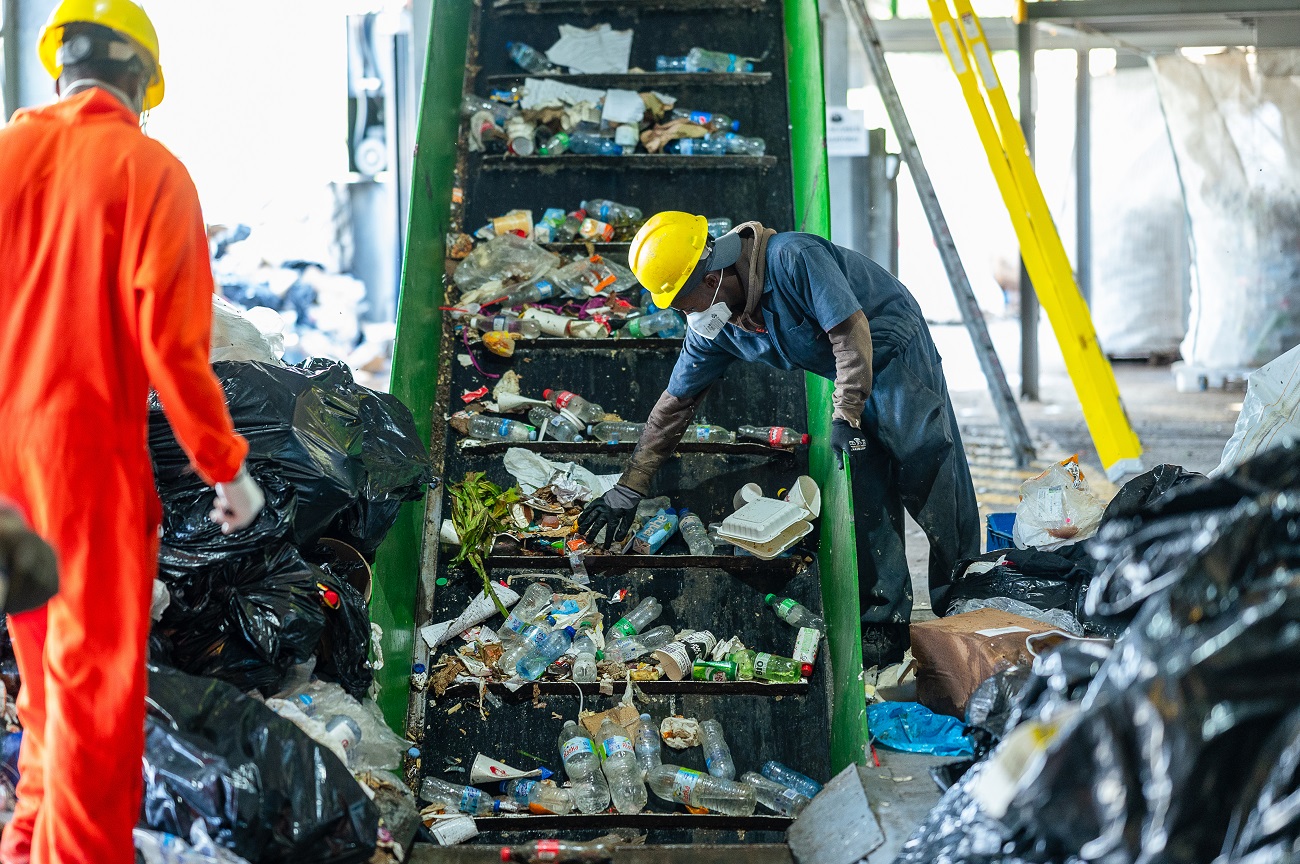
Eastern Waste Recovery Center, in Punta Cana.
TECHNOLOGY. To process larger volumes of waste more efficiently, Jake commented that the technological capacity of the Eastern Waste Assessment Center will be strengthened. This recycling and waste recovery plant of the Puntacana group which, as Jake says, has been working for years with the approach “zero discharge”will be taken to the next step with Puntacana Circular.
INNOVATE. A Sustainable Solutions Accelerator will be created, a laboratory dedicated exclusively to finding a way out of materials that no current system can handleKheel noted. This includes small plastics, films, flexible packaging and composite materials. It will be a pilot project that will seek solutions from technologies and processes such as waste-derived fuel (RDF), plastic building blocks, gasification and the pyrolysis.
These are options that are used in other countries, in other contexts and environments, said the environmentalist as well.
“If we can apply small-scale solutions in a decentralized manner in Punta Cana, (these) can become large scale solutions for the country and also for the Caribbean.”
Now, Kheel maintains that to make these pillars work, “something” more important than technology and financing is needed: the participation of everyone.
“The Punta Cana destination exists thanks to nature. The only way to protect it is to stop thinking about garbage as a problem without a solution, but as a great opportunity.”
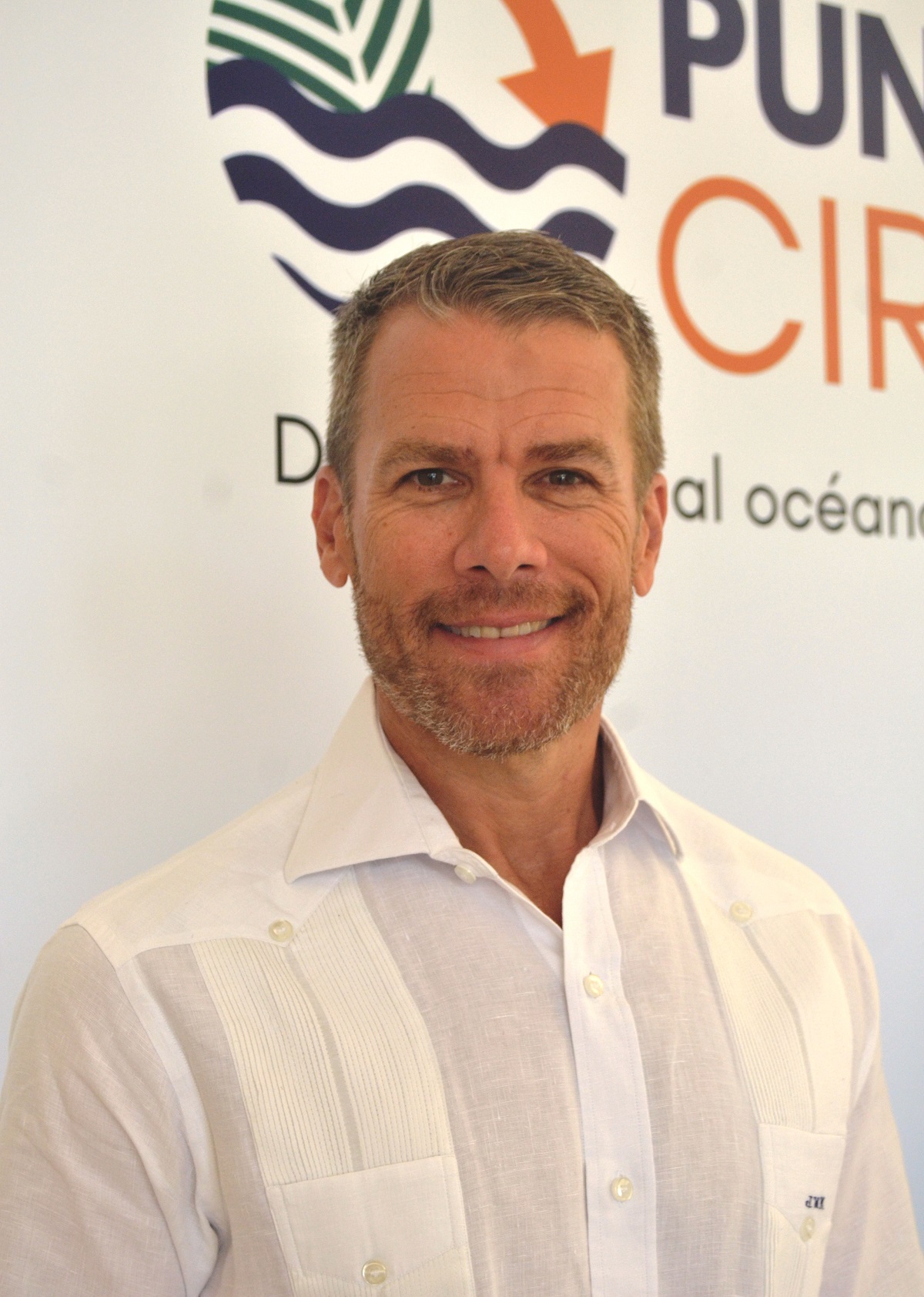
Jake KheelJake Kheel, executive vice president of the Puntacana Foundation
So he calls on the communities around the tourist area, schools, hotels, authorities and companies to get involved.
He invites you, when you go out shopping, when you place orders for your companies, when you contemplate new constructions, new buildings and new businesses… ask yourself the same question that he asked at the beginning of his speech: “What happens to everything we throw away?”
“Because if we want to build a true circular economy, it will require everyone’s participation. That is why the project places special emphasis on local schools (…). Our next generation is the most important asset in that effort.”
And he concluded with a friendly, but challenging message: “Puntacana Circular in the end is not the goal, it is the beginning of something real. The communities of Verón want clean streets. Hotels want better options. “Our visitors expect us to protect the paradise we sell them.”