by Salvatore Cernuzio
“How do the tensions, divisions and conflicts that cross the world affect the life of our Churches and our peoples today?”. «What languages, attitudes and practices can help build reconciliation, coexistence and peace?». These are two of the questions that the cardinals invited by the Pope for the extraordinary consistory to be held from 26 to 27 June will reflect and discuss.
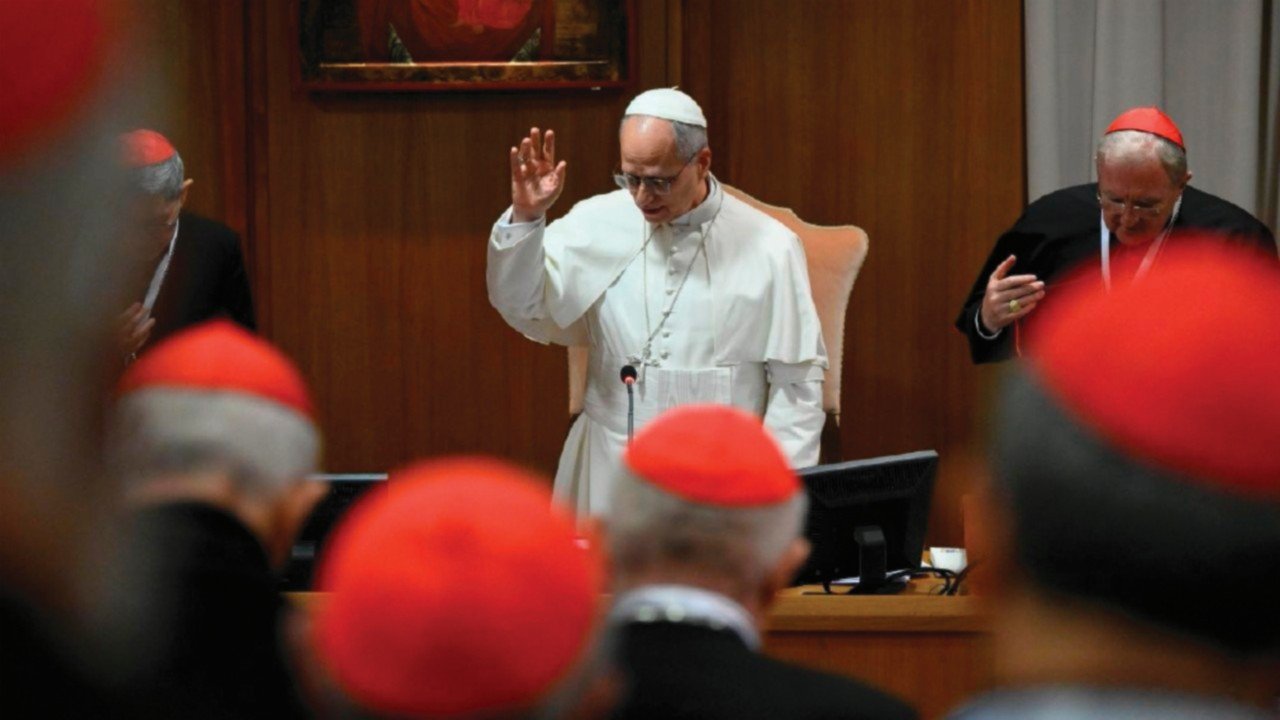
It is the second consistory wanted by Leo XIV, after the one last January (in the photo) which had brought together 170 electing and non-electing cardinals from all over the world in the Vatican, to whom the Pontiff himself had said: «I feel, I experience the need to be able to count on you». Precisely at the end of that meeting, the Pope announced the appointment in June, close to the solemnity of Saints Peter and Paul, during which the members of the College of Cardinals will return to delve deeper into the themes anticipated in a letter to the cardinals by Cardinal Dean Giovanni Battista Re: international situation, peace and the overcoming of the “just war” theory, the encyclical Magnificent humanity and the implementation of the Synod.
Maintain confidentiality
According to the program and information released by the Holy See Press Office last night, Monday 21 June, the work will be divided into four sessions, structured according to the “synodal” scheme already used of discussions, prayers, silences, personal reflections and shared in plenary moments. The presence of the press is never expected during the proceedings and, as already in the first Consistory in January (but even before that, also in the double session of the Synod on Synodality) the cardinals are asked to maintain “confidentiality” about what happens in the hall and “not to make statements to the press during the course of the Consistory”, in order to “preserve an atmosphere of fraternal discussion”.
Divisions into 20 groups
Participants will be divided into two sets: one of 9 groups of ordinary cardinal electors (including nuncios and cardinal electors who completed their service as ordinary) and the other of 11 groups of cardinal electors of the Roman Curia and non-electoral cardinals. Each group will have a president, responsible for moderating the work and ensuring compliance with deadlines, and a secretary, responsible for collecting the contributions that emerge and drafting the final report with the contribution of the entire group.
First session
More in detail, it will be the mass presided over by the Pope in St. Peter’s Basilica, at 7.30 on Friday 26, that will begin the meeting, which will come into focus at 9.30 when the participants will move to the Paul VI Hall for the introduction and the first session, scheduled until 12.45. Cardinal Re is entrusted – after the singing of Veni Creator Spiritus — the opening address, which will be followed by an introductory speech by the Pope. The meeting and the working methods will then be presented to the cardinals. The first session will start from a question: “In which world are we called to announce the Gospel?”. Polish Cardinal Grzegorz Ryś, Metropolitan Archbishop of Krakow, will hold a biblical meditation on the topic at 10am, followed by a few moments of silence and personal prayer. At 10.30 there will be the first sharing in the groups, starting from two questions: «What suffering, tensions and questions are the people and ecclesial communities entrusted to your care going through with greater force today? What signs of hope, of fidelity to the Gospel and of possible reconciliation is it important to bring to common listening?”.
Interventions, listening and feedback
Each group identifies the most appropriate moment for a break and at 12 the so-called “return” will take place in plenary. All the groups send their contribution by email, while the groups of full professors and some of the other groups present their report in the Chamber. The group work will, in turn, be divided into three phases, leaving space between one phase and the next for a short time of silence. The first phase is that of personal interventions, in which each participant will speak for a maximum of 3 minutes, answering the questions indicated on the program. From here, shared listening: everyone intervenes again for a maximum of 2 minutes. No new proposals are presented, but the most significant points that emerged from previous listening are highlighted. In the third phase, the report will be developed; a task carried out by the secretary, with the help of all the members, to reap the fruits of the discussion and proceed with the drafting of the final report. This methodology will be followed in all four sessions.
Second session
Returning to the program, on the afternoon of June 26, from 4 to 7.30 pm, the second session will take place, again in the Paul VI Hall. The culture of power and the civilization of love is the underlying theme of the afternoon work, always opened by prayer and an introduction on the topic by Cardinal Víctor Manuel Fernández, prefect of the Dicastery for the Doctrine of the Faith, which will have as its outline chapter V of the encyclical Magnificent humanity.
More group work, at 4.20pm, focusing on other questions on the current affairs of the Church and the world. Break, then plenary, then presentation by the groups with the addition – in this second session – of free interventions on the theme of the session.
Third session
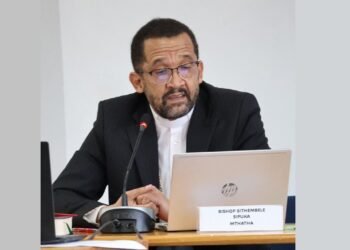
We therefore move on to Saturday 27 June, with morning mass at 7.30 in St. Peter’s Basilica presided over by Cardinal Dean Re. The work will resume in the Paul VI Hall with the third session on Building for good: the construction sites of our time. The theme will be introduced by Cardinal Stephen Brislin, metropolitan archbishop of Johannesburg and president of the South African Catholic Bishops’ Conference (Sacbc), which brings together the prelates of Botswana, South Africa and eSwatini. He will also base his speech on Magnificent humanityparticularly in the introductory and concluding parts.
From 9.50 we will work in groups and focus on the following questions: «What are the fractures in your contexts today that make it more difficult to build the common good? What expectations and what questions emerge from the people and peoples that the Church is called to listen to and that perhaps we do not listen to enough? What supports, guidelines or initiatives from the local Churches and the universal Church could more effectively help the commitment to building the common good?”. The plenary session is scheduled for 11.30, during which the ordinary groups and some other groups will present their reports. Following, free speeches on the topic.
Fourth session (and the final dinner with the Pope)
The fourth and final session will begin at 4pm and end at 7.30pm. The scenario is different, the New Hall of the Synod, while the theme will be The path of implementation of the Synod. Cardinal Mario Grech, general secretary of the Synod, will introduce it starting from the document presented last May Towards the Synodal Assemblies 2027-2028. Stages, criteria and tools for preparation. The program presented by the Press includes a moment of “clarification questions” on the topic.
At 5.30 pm there will be a dialogue with the Pope, followed by free speeches lasting a maximum of three minutes. Leo XIV’s final speech will conclude the entire Consistory, sealed by a dinner with the Pope at 7.45 pm, in the Paul VI Hall. Finally, on June 29th, at St. Peter’s, at 9.30, the mass on the solemnity of the Holy Apostles Peter and Paul.