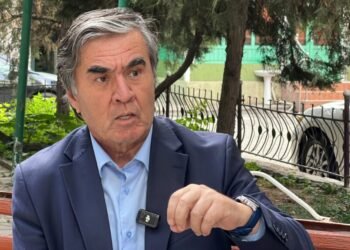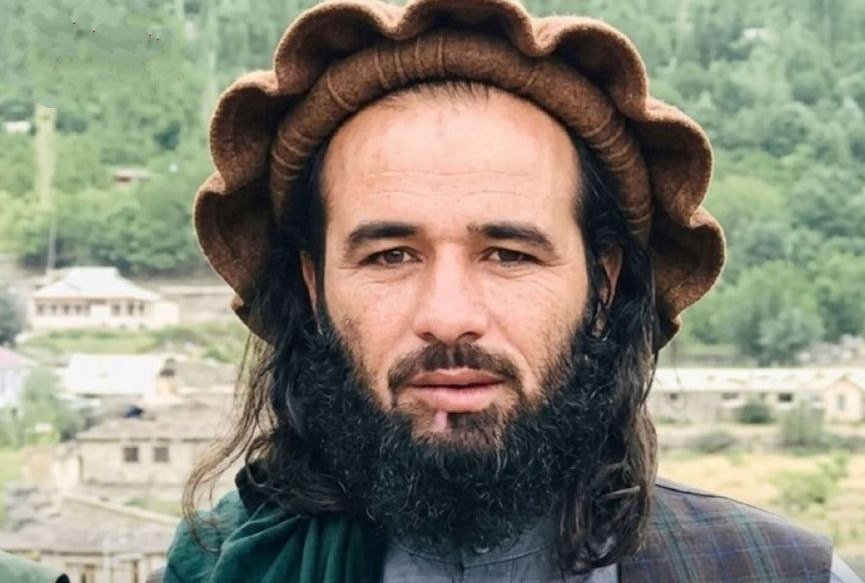
The Taliban has removed one of its most powerful Tajik commanders in northeastern Afghanistan, Juma Khan Fateh, who also served as deputy governor of Zabul province. Amu TV channel reports. According to sources, the reason was disagreements with the leadership of the movement over influence and control over rich mineral deposits in Badakhshan province.
The personnel decision was announced on June 22 by Taliban spokesman Zabihullah Mujahid. According to him, according to the decree of the supreme leader of the movement, Haibatullah Akhundzada, the head of the General Directorate of Standards and Quality, Faizullah Tamim, was appointed as the new deputy governor of Zabul. The reasons for Fateh’s resignation have not been officially announced.
The decision follows weeks of reports of growing conflict between Fateh and the Taliban leadership in Kandahar. Sources previously told Amu TV that negotiations between the parties ended without results. After this, the leadership of the movement began to look for a replacement commander, which raised fears about a possible armed confrontation between its supporters and forces loyal to the central leadership.
The Taliban leadership also discussed replacing Fateh as the informal leader of the Darwaz region in Badakhshan, where he has maintained significant influence for many years, the sources said.
Juma Khan Fateh is considered one of the most influential Taliban warlords in the northeast of the country. Before his appointment to Zabul, he headed the Nusay district in Badakhshan. At the end of 2024, he was tasked with leading the campaign against opium poppy cultivation in the province.
Despite his transfer to Zabul, Fateh retained a strong position in Badakhshan, especially in Darwaza, where he is considered a key figure. He is known among locals and members of the movement as the “Commander-in-Chief of Darwaza,” an informal title reflecting his influence in the region.
According to sources, Gulamullah, the commander of a Taliban brigade in Faryab province, is being considered as his possible successor in Darwaza.
The main cause of the conflict is reportedly control over the gold mining operations of Badakhshan, which contains some of the largest and most valuable mineral deposits in Afghanistan. Several rounds of negotiations involving senior members of the movement, including Taliban army chief of staff Fasihuddin Fitrat, failed to resolve the dispute.
To resolve the crisis, Fitrat and the governor of Helmand province, Amanuddin, were sent to the capital of Badakhshan, Faizabad. However, according to sources, negotiations with Fateh in the Nusay region also did not bring results.
Badakhshan remains one of the most problematic regions in this regard. Disputes regularly arise here between representatives of the movement, mining companies and local residents over access to gold mines and the distribution of income from their exploitation. In addition, in certain areas of the province, protests periodically take place against government policies in the field of mining and taxation.
Amu TV sources previously reported that Juma Khan Fateh had warned of the possibility of a “popular uprising” if attempts to remove his influence continued. According to them, the leadership of the movement also considered the option of arresting him in the event of a final failure of negotiations.