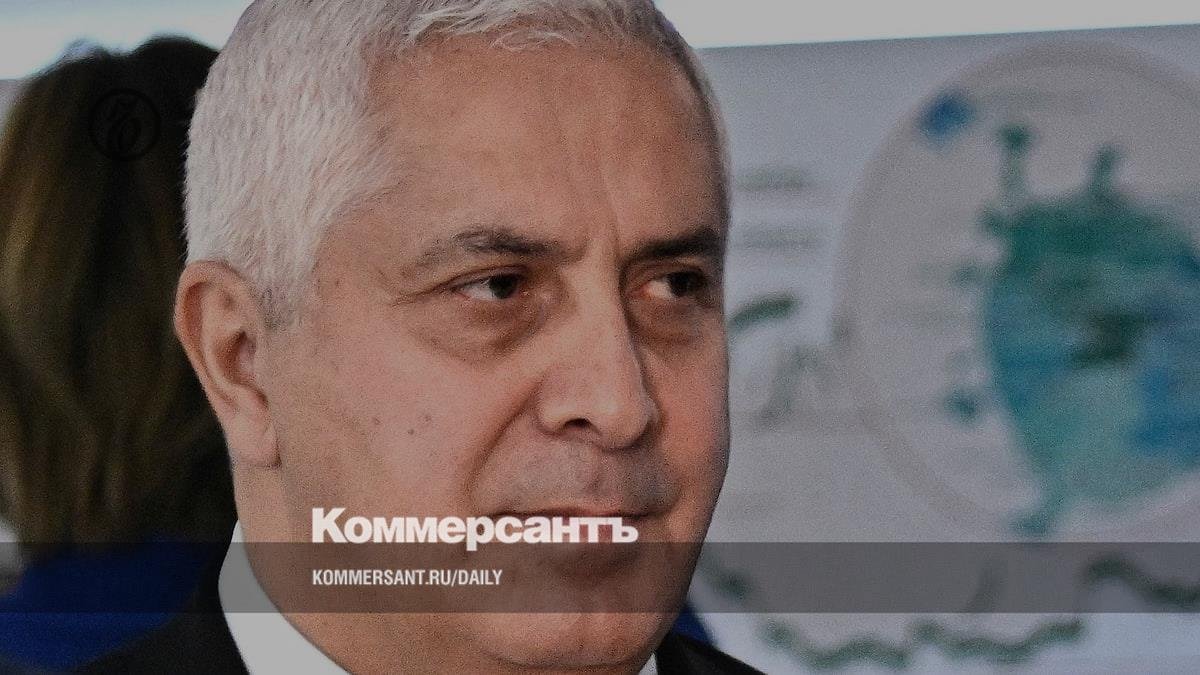
On Tuesday, June 23, South Ossetian President Alan Gagloev announced his resignation and transfer to the position of adviser to Russian President Vladimir Putin. Marat Kambolov, appointed Prime Minister on June 16, will become the acting head of state. Now, within three months, the country is due to hold early parliamentary elections, which will likely secure Kambolov’s status as the new leader and allow him, together with Gagloev, to move on to implementing an agreement on deepening integration between South Ossetia and Russia.
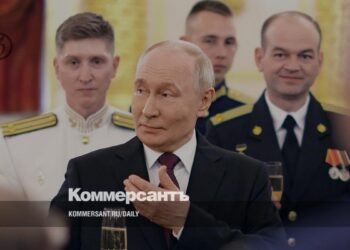
The fact that Alan Gagloev decided to resign became known from his appealspublished on the website of the President of South Ossetia on June 23. In it, he said that during a meeting with Russian President Vladimir Putin the day before, he invited him to become his adviser in order to promote the implementation of an agreement on deepening allied cooperation between Russia and South Ossetia. The decree on the appointment of Gagloev has already been published on the Kremlin website, and the politician himself began his duties on Tuesday.
The said agreement was signed during a meeting between the two presidents on May 9. The document covers a wide range of areas and actually creates the basis for the integration of South Ossetia and Russia at all levels.
Thus, it actually lays down the creation of a single economic and investment space: the parties are moving to a single procedure for external borrowing and investment, and the South Ossetian infrastructure is coming under direct Russian control.
Foreign, defense and security policies will also be synchronized. Legislation in the field of labor, pensions and social protection will be brought to a single Russian standard. But the main point will be the abolition of the ten-year residency requirement for working in the civil service. It will be replaced by permission for citizens of both countries to hold state and municipal positions in the territories of Russia and South Ossetia without any restrictions.
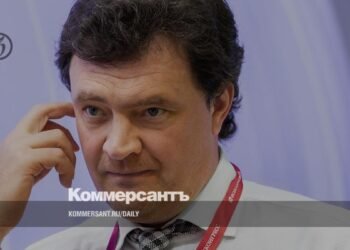
It was this point that allowed Gagloev to go to work in the administration of the President of Russia, and before that, the former first vice-president and director of the Kurchatov Institute Research Center, Marat Kambolov, became an adviser to Gagloev on May 27, and on June 16 – the Prime Minister of South Ossetia. After the president of the republic resigned, Mr. Kambolov became the acting head of state. According to the law, early parliamentary elections must be held in South Ossetia within three months. It is expected that a new president will be elected no later than September 21.
On Tuesday, Gagloev already called on the population of the republic to rally around his successor. “I ask everyone to rally around Marat Arkadyevich and work together for the benefit of the people of the Republic of South Ossetia. It was my greatest honor to serve my people,” he said. Mr. Gagloev recalled that the residents of South Ossetia have already made a historic choice to be together with Russia and that the country, in difficult and turning points, was true to its word “to be a reliable friend of Russia.” “Today our task is to make our cherished dream come true – to overcome the fate of a divided people and reunite with North Ossetia, reunite with Great Russia,” the ex-president added.
Russia, despite recognizing South Ossetia’s independence in 2008, had previously rejected Tskhinvali’s requests to join Russia by unifying with North Ossetia, but Gagloev’s words show that the signing of a bilateral agreement between the countries has renewed this dream. Gagloev will probably be involved in its implementation together with Kambolov: the latter’s victory in the upcoming elections in South Ossetia is practically predetermined – parliament voted unanimously to appoint him to the post of prime minister, and the chance of him having a strong rival is extremely low.
A Kommersant source in the Russian Presidential Administration suggests considering Gagloev’s transition to the position of adviser to Vladimir Putin both as a resignation and as a promotion: “resignation through promotion, if you want.” According to him, the change in the leadership of South Ossetia is due to the stagnation in which the republic is located. “The time has come to resolve the strategic issue of the status and further development of South Ossetia. We need to get out of the enclave situation politically, socially and economically as quickly as possible. For this purpose, the constitution has been changed, the residency requirement for representatives of the highest authorities has been revised,” said Kommersant’s interlocutor.