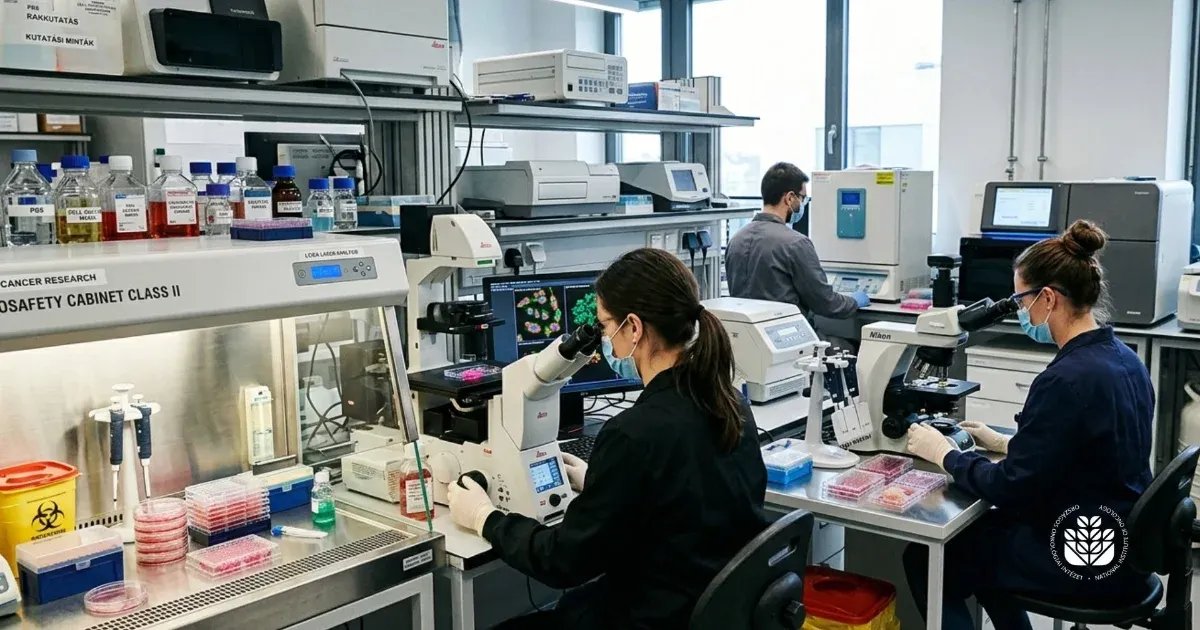

The operating procedure of the National Oncology Institute had to be temporarily modified due to a failure of the ventilation and air conditioning system in the operating theater of building 3, as well as a persistent heat wave, the institute announced on Monday evening on his Facebook page.
In some of the operating theaters, currently, “the temperature and humidity conditions required by the professional, infection control and patient safety regulations” cannot be continuously ensured, therefore the planned surgical activity in the operating theaters of building 3 was temporarily suspended, and the operating room capacity was reorganized.
In order to ensure urgent oncological surgeries, a two-shift work schedule was introduced in the operating theaters of building 3/A, with interventions taking place from 6:00 a.m. to 10:00 p.m. The staff of the institute will contact the affected patients directly regarding possible modifications and new surgery dates.
The technical error is being eliminated, the situation is evaluated several times a day, and the surgical program is adjusted to the current patient safety, professional and technical conditions. “We are aware that changing the date of an oncology surgery can cause significant concern for patients and their family members. Therefore, we ask for patience and understanding from all concerned, and we also assure our patients that our decisions are made solely for the sake of safe patient care,” they wrote.
They emphasized that the National Institute of Oncology is working with all the means at its disposal to ensure that the care of cancer patients continues in an organized, safe manner and with as little interruption as possible even in the temporary situation that has developed.
Health Minister Zsolt Hegedűs responded to the situation He responded on Facebookwhere he wrote: “tomorrow morning the special parts (4 pressure transmitters) will arrive by plane, if everything goes well, the installation will start tomorrow and we hope the technical obstacle will be resolved.” At the same time, he thanked the staff of the National Oncology Institute for their help and work, and the patients and relatives for their patience.