Madrid/The US Supreme Court has ruled in favor of Exxon Mobil in its dispute against the Cuban State and opens the way to claim compensation for properties confiscated in the 1960s. To date, the Government of Cuba relied on foreign sovereign immunity, but the judges of the High Court have decided, by six votes in favor and three against, that, by its very nature, the Helms-Burton Act already repeals the immunity of companies and state entities, starting with Cimex, which is the one involved.
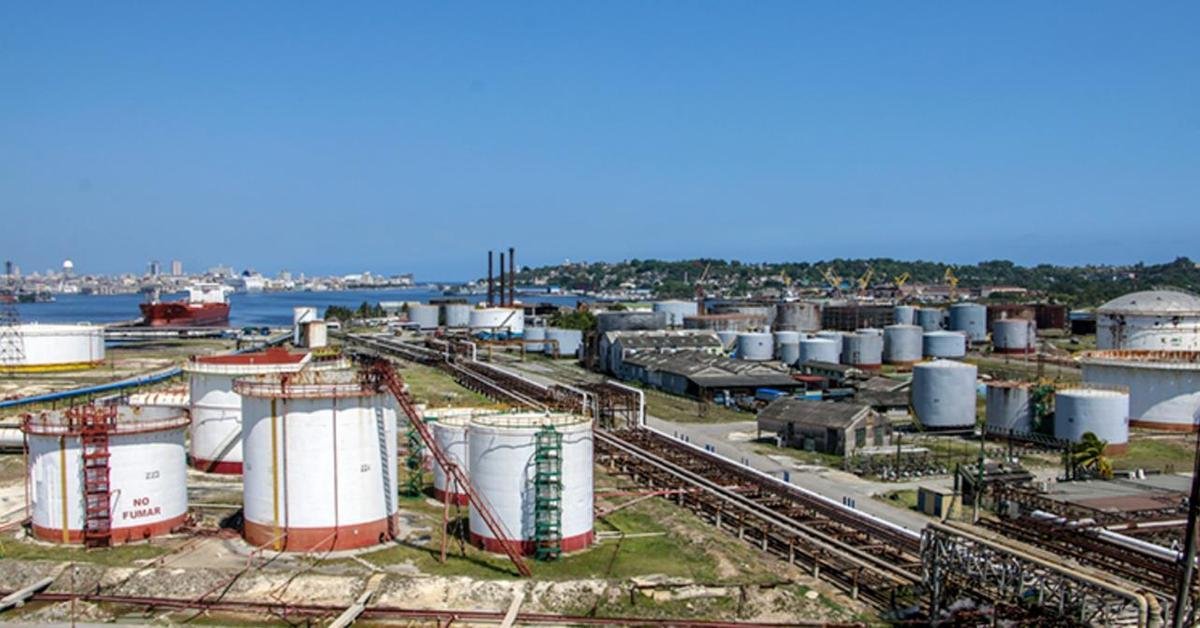
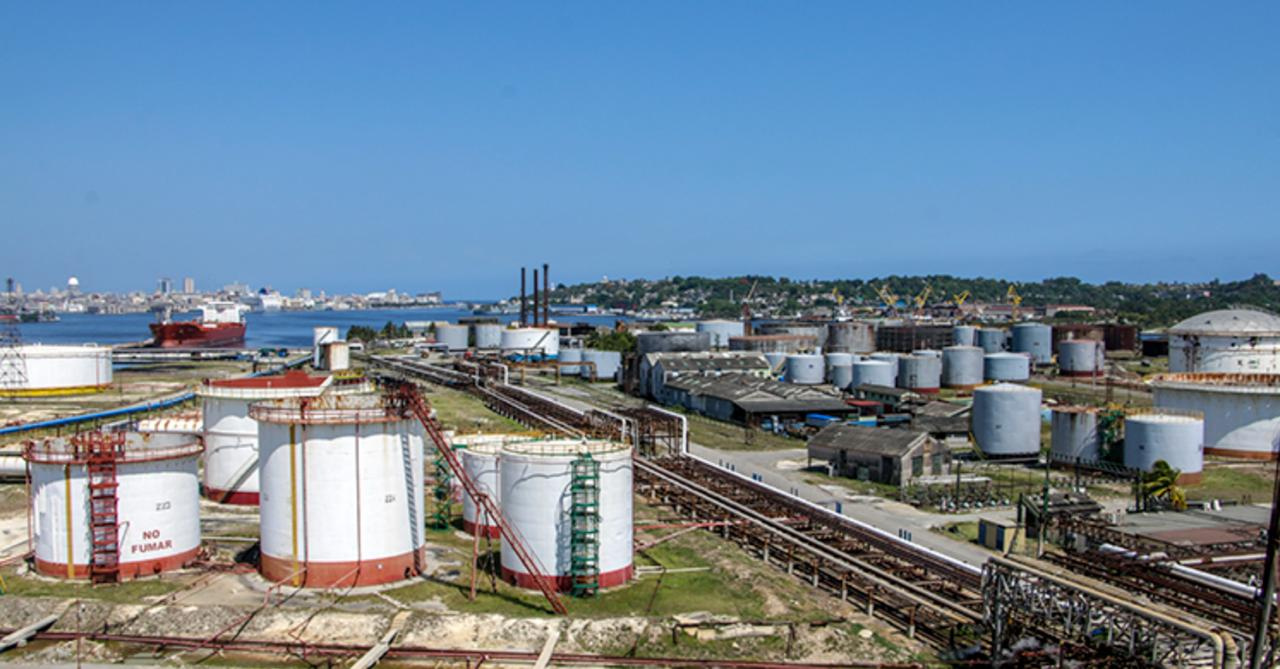
Exxon Mobil, formerly called Standard Oil Company, claimed before the US courts the expropriation of the current Ñico López refinery in Havana, as well as 117 gas stations that operated on the Island before Castro came to power. The lawsuit was imposed against the Cimex Corporation and the Cuba Petroleum Union (Cupet) taking advantage of the activation of title III of the Helms-Burton Act. This regulation had been approved in 1996, but that section, which allowed compensation to be requested for the confiscations of the 1960s, was suspended until 2019, during the first Administration of Donald Trump.
That movement opened the doors to dozens of complaints about these properties, although to date there has been no firm ruling that allows any money to be recovered. In the case of Exxon Mobil, one of the two main claims that has reached the Supreme Court, the losses declared by the company amounted to 72 million dollars at that time, a figure that would now be equivalent to more than 600 million.
In the case of Exxon Mobil, one of the two main claims that has reached the Supreme Court, the losses declared by the company amounted to 72 million dollars at that time, a figure that would now be equivalent to more than 600 million
In 2024, an appeals court concluded that the American could not sue the Cuban State, since state companies are protected by the sovereign immunity of foreign countries. Exxon decided to take the case to the Supreme Court last April and the decision has been favorable to its interests, making it easier for the case to return to court to get to the bottom of the matter.
The decision was one of the most anticipated after the other major case of this type, resolved last May, when the same court ruled in favor of Havana Docks Corporation in its claim against the companies Royal Caribbean Cruises, Norwegian Cruise Line Holdings, Carnival Corporation and MSC Cruises. The four had been sentenced in 2022 to pay more than $400 million for profiting from properties confiscated in the 1960s, but here too an appeals court blocked the fine for technical reasons. In this matter, the judges considered that the rights of Havana Docks Corporation – which was not the owner, but rather the tenant of the docks – expired before the four cruise companies exploited them.
The Supreme overturned that bug a month agos, returning the case to the courts for the final decision.
Exxon’s appeal had the support of the Trump Administration and this has been reflected in the vote of its justices, since the six conservatives have supported the American company. The decision, substantiated in a 35-page document, indicates that foreign governments, including their companies, enjoy a presumption of immunity from lawsuits in US courts with some exceptions, but in the case of the Helms-Burton Act, such immunity does not apply nor are whistleblowers required to demonstrate that the criteria for exemption are met.
There are several companies that have filed lawsuits based on Helms-Burton against other companies that have enriched themselves with confiscated properties, in addition to the cruise companies mentioned above. Among them are Expedia or Airbnb.
But the Supreme Court’s decision has other implications, since it opens the way to sue the State directly by considering that it cannot invoke the immunity law. In practice, this opens the possibility of recovering the money – in case the court definitively rules in favor of the plaintiff – by confiscating assets abroad.
Despite everything, collecting will continue to be complicated, as has been seen in a very different matter: compensation for the murder in prison of Rafael del Pino. The US justice system considered 28 years ago that it was up to the Cuban State to pay for the death in one of its prisons of the former pilot – and former friend of Fidel Castro – with US nationality. However, there are not enough properties in the country that can be seized to satisfy the debt, so his heirs are trying to activate other avenues, including the Spanish one, whose bureaucracy they have been running into for years.