Although forecasters have suggested that this year’s hurricane season may be less active than usual, Metereologist Wayne Neely warns that such predictions should not lead to complacency. He emphasized that it only takes a single major hurricane to wreak havoc on a nation. To illustrate this point, Neely referred to the 1992 hurricane season, which, despite being below average in activity, was the year Hurricane Andrew struck.
“Due to this year’s El Niño phenomenon, we are experiencing what’s known as a ‘super El Niño,” Neely explained. “This refers to an exceptionally strong El Niño, which is expected to suppress hurricane formation in the North Atlantic. According to the National Oceanic and Atmospheric Administration, the forecast includes six to twelve named storms, three to six hurricanes, and one to three major hurricanes, classified as Category 3 or higher. Meanwhile, Colorado State University predicts 13 named storms, six hurricanes, and two major hurricanes. These numbers are noticeably lower compared to the average, which stands at 14.4 named storms, 7.2 hurricanes, and 3.2 major hurricanes. So, we are anticipating fewer hurricanes.”
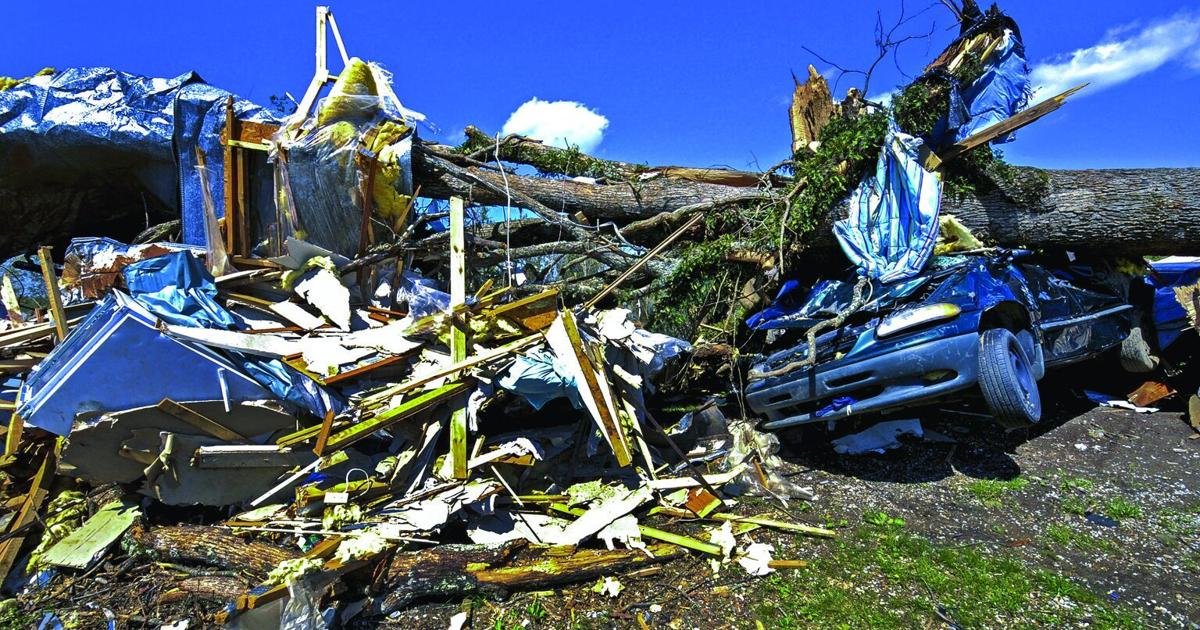
However, Neely cautions against becoming complacent. “A low-intensity season doesn’t mean we’re safe from severe hurricanes,” he warned. “Remember Hurricane Andrew in 1992? It struck during a season with only seven storms. The first of those, Hurricane Andrew, hit on August 19th, coinciding with the 1992 elections. Despite being the only major storm that year, it was among the most destructive hurricanes to impact The Bahamas, leaving significant devastation in its wake, particularly in the northern regions. It serves as a stark reminder that even a single hurricane can have catastrophic consequences.”
Hurricane Andrew developed into a category 4 storm on August 23, 1992, as it tore through several islands in the chain, claiming four lives and causing hundreds of millions of dollars in property damage.