The term “rare earths” is highly misleading: the 17 chemical elements in this group with very similar properties are neither particularly rare nor earthy. The explanation: On the one hand, the first finds came from very rare minerals – it was only later discovered that they occur in many rocks. And secondly, they were isolated in the 18th century in the form of metal oxides – which were then commonly referred to as “earths”.
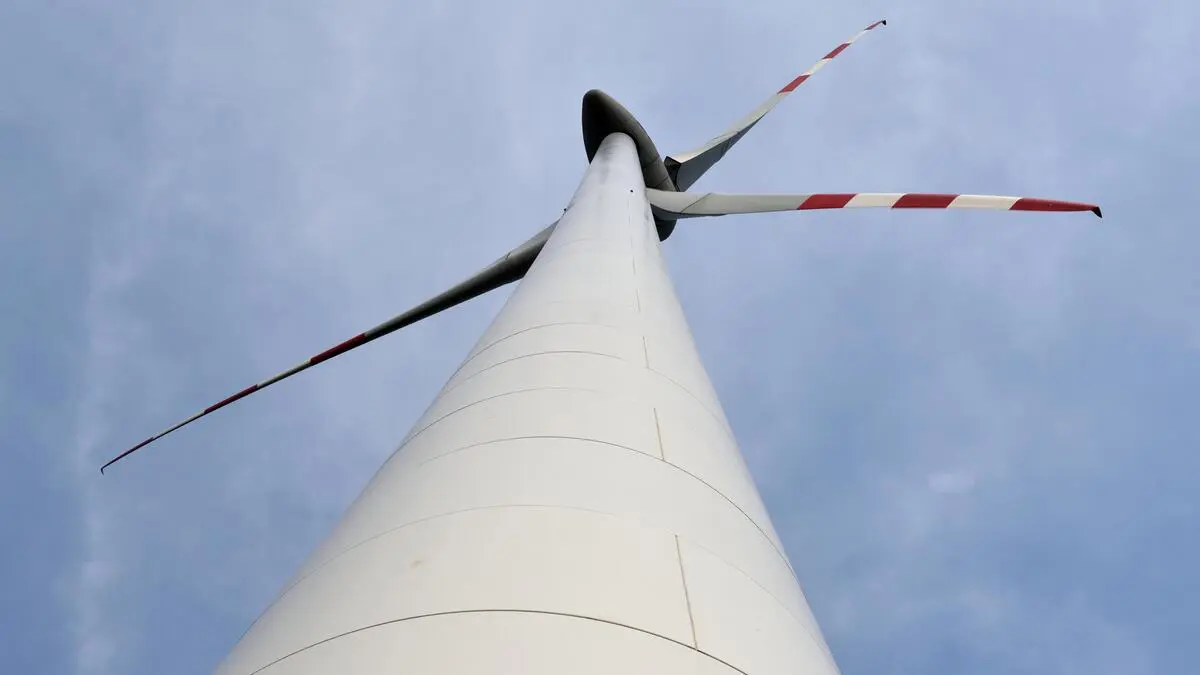
Today, rare earth metals are an integral part of our lives: they are found in countless high-tech devices, from medical technology to aerospace to AI server farms. The strongest known magnets are also made from them, for example. B. needed in wind turbines and electric cars. According to the International Energy Agency IEA, magnets account for around 95 percent of demand.
The mining and especially the processing of metals are concentrated in a few countries. Dependence on these suppliers is correspondingly high at the moment; China in particular does not hesitate to use this as a means of pressure in geo-economic conflicts. This has led, among other things, the EU to classify rare earths as “critical raw materials” and to change the supply chains. But as the IEA states in a recently published report, this is even more difficult than feared – it requires many well-coordinated measures (www.iea.org). What makes matters worse is that demand is increasing unabated: demand has doubled since 2015, and a further increase of at least 30 percent is expected by 2030.
Innovative technologies play a major role in the fight against dependencies. An OECD working group has now examined this in detail (www.oecd.org). Accordingly, the rare earth content of neodymium-iron-boron magnets – the currently most widely used type – has been reduced by a third since 2010 by optimizing the microstructure. Laboratories around the world are working on magnets that no longer require rare earth elements (such as ferrites, tetrataenite or iron nitride) or in which at least the most critical elements (neodymium, praseodymium and dysprosium) have been replaced by less scarce ones (such as samarium). But it will still take some time until it is ready for the market.
Revolutions are also brewing in mining. Novel leaching processes using microorganisms could soon be used to break down so-called IAC (Ionic Absorption Clays), in which rare earths from weathered minerals are loosely bound to clay minerals through electrostatic attraction. Recycling will also become important in the future – no matter how complex the separation is due to the great similarity of the rare earth metals. However, that doesn’t help us at the moment. There are still only a few devices that are at the end of their lifespan and could be recycled.
Word of the week
Every week in his column, Martin Kugler takes on a central scientific term and presents the latest findings on it. The author headed the “Presse” research department until 2014 and is now a science communicator at AIT.
→ All articles by Martin Kugler