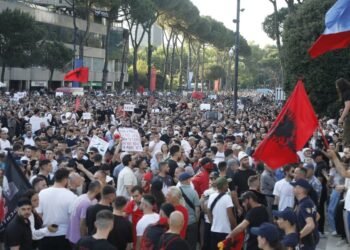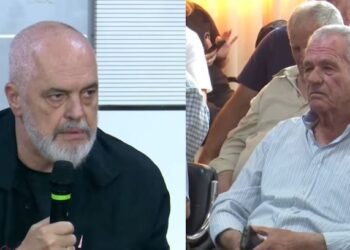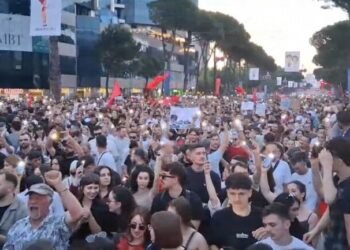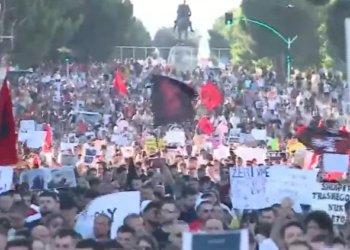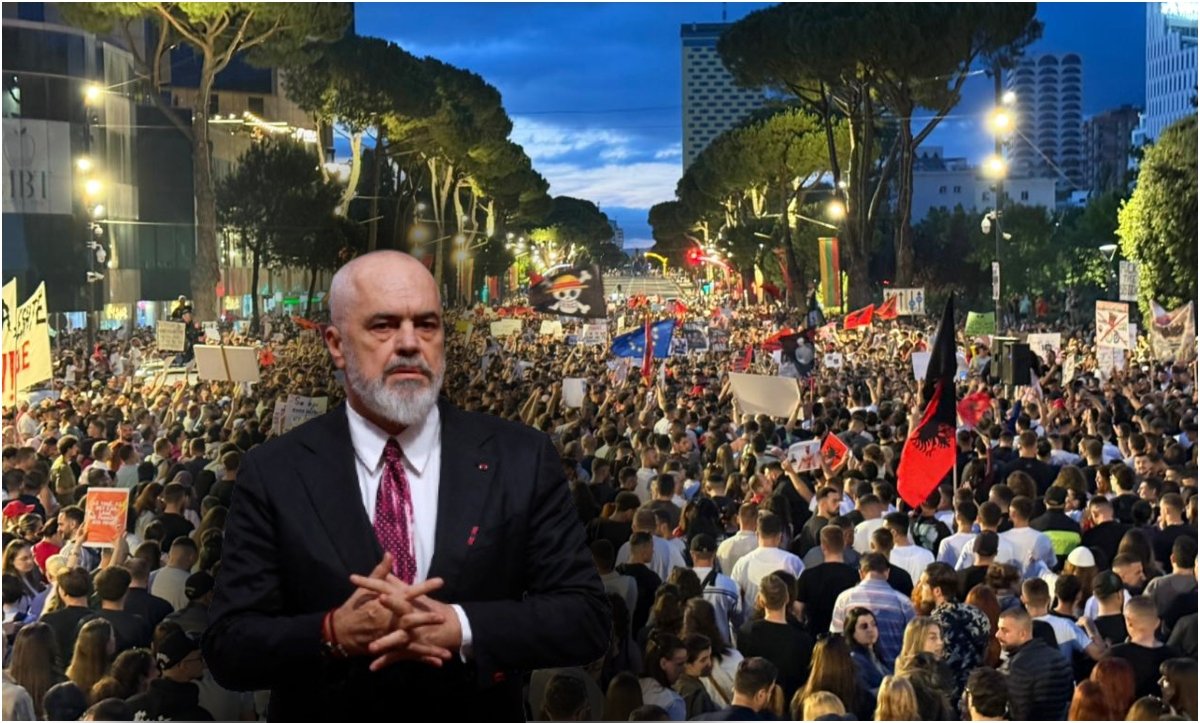
As the protests against the project in Zvrnec continue to gain more and more widespread support, Prime Minister Edi Rama seems to be expanding the list of “culprits” who, according to him, are behind the citizens’ revolt.
Initially, the head of the government cast doubts on the Greek media and the interests that, according to him, are trying to instrumentalize the opposition to the investment in Zvrnec. In his statements, Rama was surprised by the echo that the protest received in Greece, hinting that other interests can be hidden behind the media support.
Earlier, representatives of the government and exponents close to it have also mentioned other foreign influences, including Serbian ones, as factors that aim to hinder strategic projects and large investments in Albania.
Recently, the Iranians have also been included in the new political narrative, who according to the statements of the government camp are being used as another argument to explain the organization and escalation of the protests.
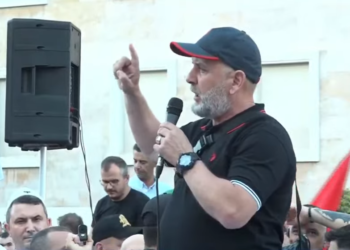
Meanwhile, protesters and civil society activists insist that opposition to the project in Zvërnec is a civic movement born of concerns for the environment, transparency and the future of one of the country’s most sensitive natural areas. They reject accusations of foreign influence, describing them as attempts to delegitimize their cause.
As the protests continue to fill the squares and attract the attention of public opinion, the debate seems to be shifting more and more from the core of citizen opposition to the identification of the new “enemies” that the government says are behind it. From Greek media to Serbian influencers to Iranians, the list of those allegedly responsible for the anti-government protests seems to be expanding day by day.