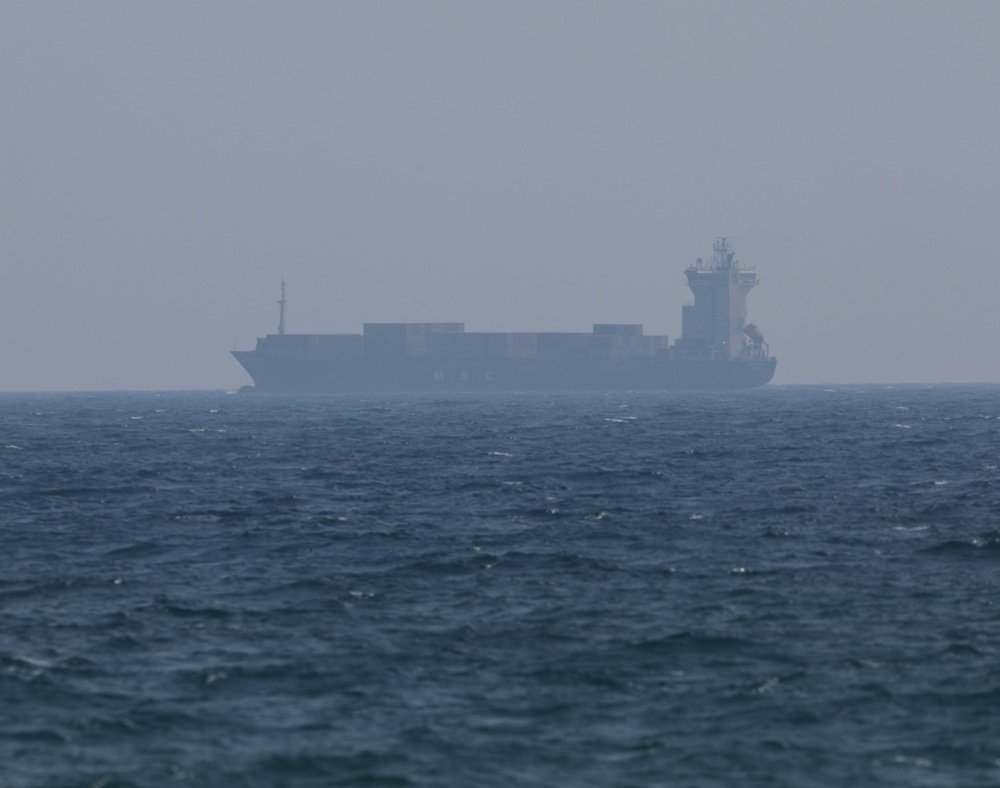
Container shipping rates have risen sharply since the start of the war between the US, Israel and Iran in late February, while traffic through the Strait of Hormuz remains well below normal levels due to security risks in the Middle East. the world media.
According to data from a maritime research house, the benchmark World Container Index for a 40-foot container rose from $1,899 on Feb. 26 to $3,344 on June 4, an increase of about 76 percent.
Since the outbreak of the conflict on February 28, commercial traffic through the Strait of Hormuz has dropped by about 90 percent of normal levels. At the same time, increases in shipping fuel prices and additional transportation costs further increased total transportation costs.
Some shipping companies rerouted routes to avoid crisis areas, which extended the delivery time of goods. That’s why many importers order goods early to avoid delays.
The cost of shipping containers on the Shanghai-New York route increased by 98 percent, and on the Shanghai-Los Angeles route, the price jumped 108 percent to $4,565.
Although US President Donald Trump announces the imminent opening of the crossing, the biggest shipping companies are still reluctant to take risks. Only a few ships pass through the passage through which about a hundred cargo ships pass daily, while oil, gas and food markets feel the consequences of one of the most dangerous points of the global economy.
The most powerful people in world shipping gathered this week in Athens for the annual International Shipping Exhibition. The main topic is not the new technology, nor the cost of transportation, but the narrow shipping corridor between Iran and Oman – the Strait of Hormuz.
US President Donald Trump has claimed that reopening the strait is close, while officials in his administration point out that some ships are already making it through this key energy passage.
However, most shipping executives remain hesitant to send their cargo ships through the 21-mile canal until the United States and Iran reach a definitive peace deal that would include a safe opening.
The closure of the sea route still cuts off about 20 percent of the world’s oil supplies from global markets, along with significant amounts of liquefied natural gas and fertilizers critical to the functioning of the world economy.
According to data from research firm Kpler, only seven ships passed through the strait on Friday – five entered and two left. In normal periods, about 100 ships pass through the passage.
VIDEO | The US military shot down Iranian drones again in the Strait of Hormuz