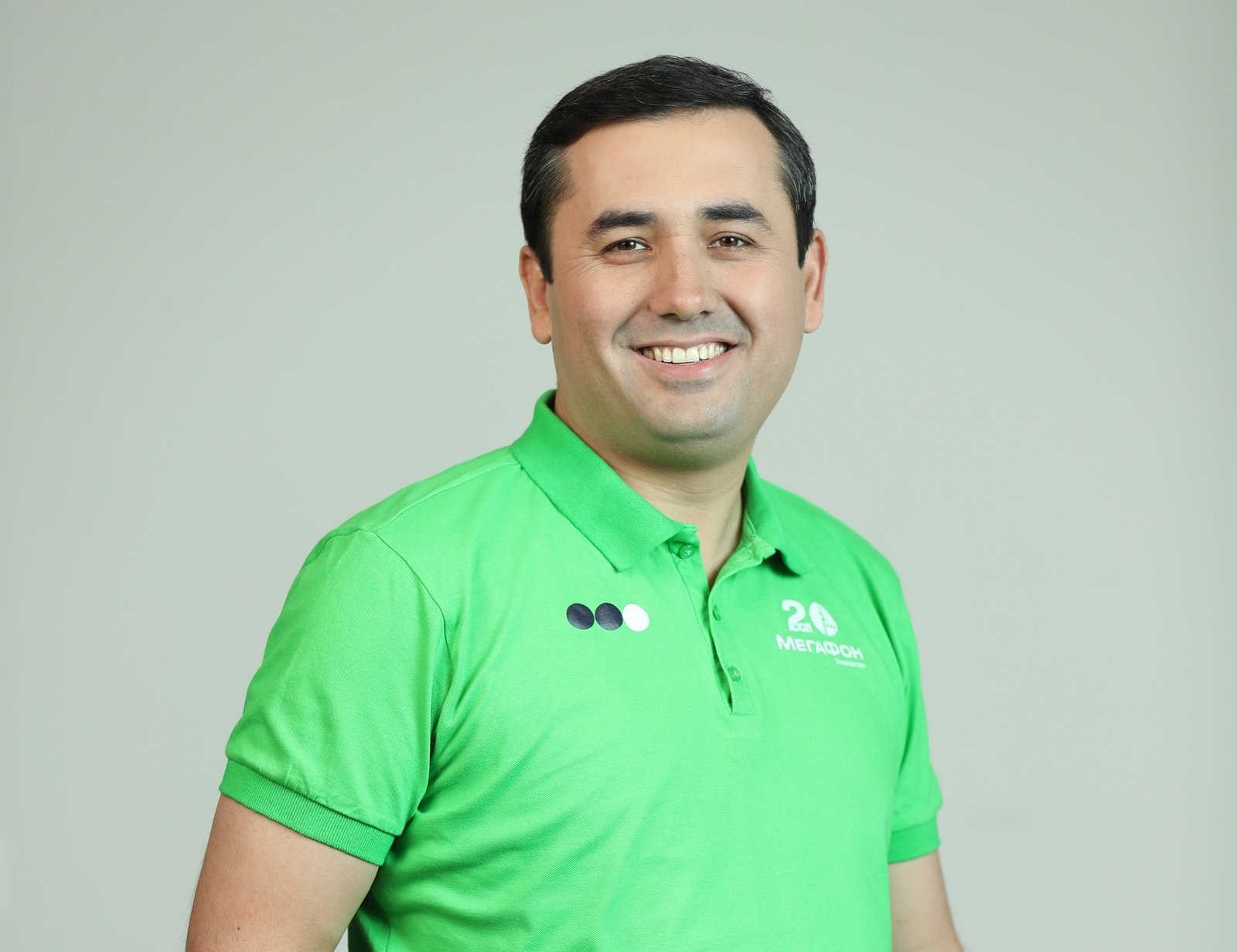
In the year of its 25th anniversary, MegaFon Tajikistan sums up the results of technological development and outlines the vectors of the future. He spoke about the key stages in the evolution of the network, the prospects for introducing innovations – and the professional pride of a communications operator. Technical Director of the company Alijon Ganiev
— What main stages would you note when talking about the technical development of the company?
— Over the course of a quarter century of our history, several generations of mobile communications have changed. Each of them was such a stage. The first is, of course, the launch of the GSM network and the construction of basic infrastructure. In those years, the main and practically the only service of mobile operators was voice communication; no one even imagined how huge a leap forward the industry would make.
Then there was the introduction of 3G, when the mobile Internet first became widespread and accessible, and the large-scale development of the 4G network, which significantly changed the user experience – in fact, the smartphone became a universal assistant that is always with you. In parallel, there was a transformation of the transport network and the development of fiber-optic communication lines.
This was how the foundation was laid on which we stand today. But infrastructure development does not stop now. In some ways, our technical projects have become even more ambitious.
– Why is this happening – after all, there is already a serious foundation that has been built for so many years?
“The point is both in updating equipment, which is becoming more and more advanced, and in the desire to ensure maximum coverage of the country’s territory. Therefore, construction is carried out in parallel with the modernization of previously installed equipment.
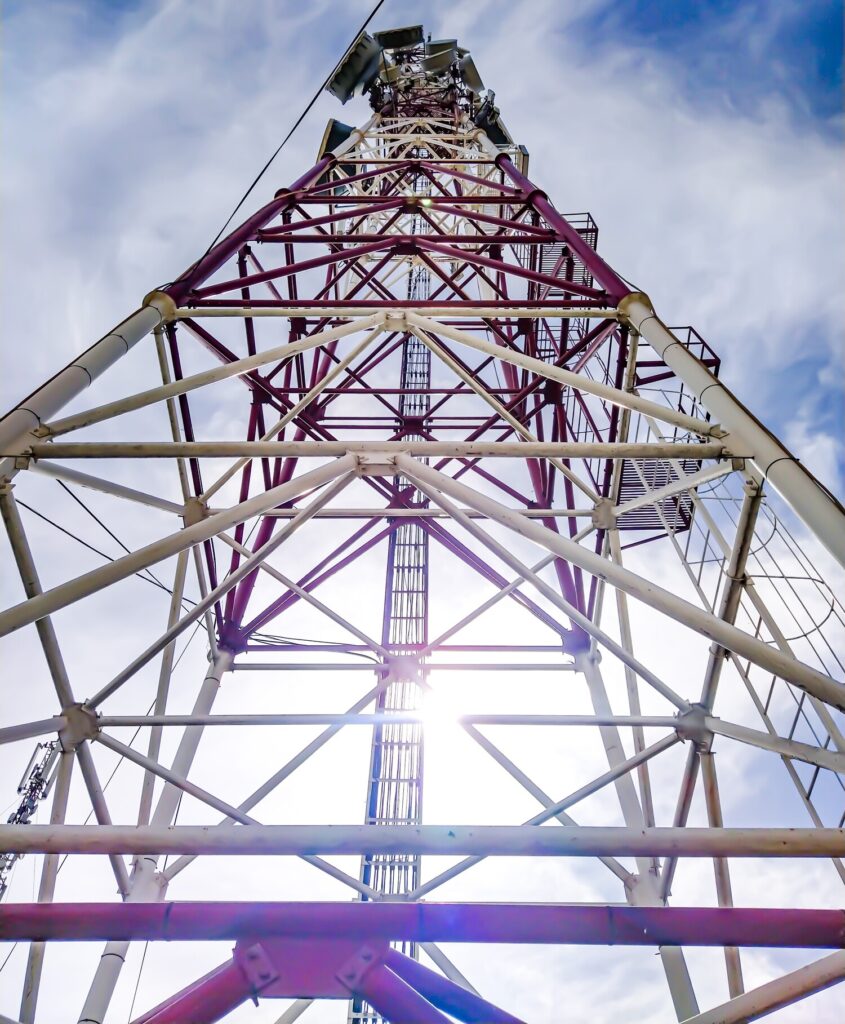
In 2026, we plan to launch about 420 new fourth-generation base stations (BS). They will appear both in those places where there was no high-speed Internet yet, and in cities where the number of active users is high and it is necessary to reduce the growing load on the network. But these same problems can be solved in other ways. For example, in a year we want to replace about 500 radio units – this way the network capacity at communication facilities can be increased by 2–2.5 times without launching additional base stations.
We also continue to consistently refarm frequencies: this year we will transfer about 100 BS from the 3G to 4G range to speed up data transmission. In addition, 80 4G/LTE base stations will be launched in the 2100 MHz band, which will provide a noticeable increase in Internet coverage and quality. And to increase the capacity and stability of the network, we will build about 180 km of fiber-optic communication lines. In general, our task this year is not just to build more, but to make the network more stable and capacious, ready for further growth in mobile Internet consumption.
One of the most important projects in the year of our company’s 25th anniversary is the launch of new voice switch equipment. In essence, we are talking about updating the “heart” of the network, on which the stability of voice services directly depends. So the basic service with which it all began a quarter of a century ago is also evolving.
— How, in your opinion, has the role of telecommunications in the life of the country changed with the development of infrastructure?
– In the most dramatic way! And you don’t even need to be an expert to realize this. Just remember what services and functions your phone didn’t have even twenty-five to ten years ago. Now we use instant messengers, financial digital services every day, send work files, and navigate using online maps.
Every year brings new opportunities. And the turning point was the launch of 3G and especially 4G/LTE technologies, the emergence of reliable Internet access. Telecom has gone digital and has become one of the leaders in economic development along with energy and transport.
“It’s really noticeable to everyone.” What remains “visible” for telecom operators and “invisible” for subscribers?
– A lot. In fact, almost completely behind the scenes is the construction and modernization of the network, which we have already talked about. For an ordinary user, it is enough that there are more and more telecom services and that they all work well. And he often doesn’t know how complex technical problems we solve. But this is correct. In a restaurant, it is not necessary to explain exactly how the dish was prepared – the main thing is that it is tasty.
I can talk at length and in detail about many technical projects – for example, about the implementation of IP technologies, virtualization of network functions, cloud solutions, automation of network management, projects for power supply of communication facilities. But what is more important for subscribers is that during planned power outages, voice communications and all digital services continue to work – and not how we achieve this. Although this is also an interesting topic.
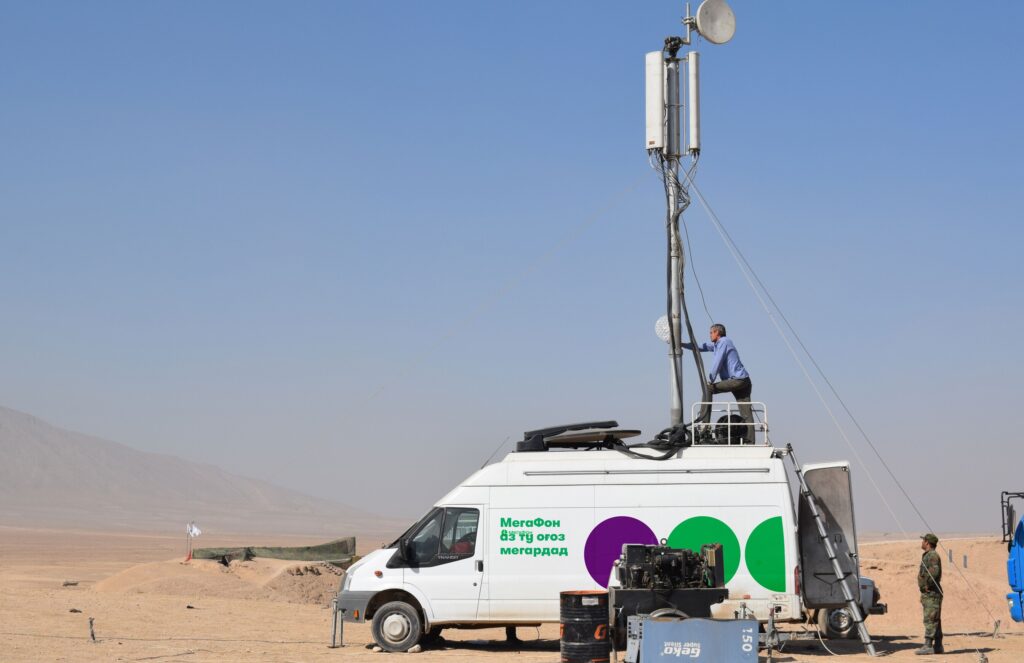
Thus, we can recall how MegaFon Tajikistan began to equip BS in the mountains with solar panels and wind generators. By the way, this work continues in 2026: solutions using solar panels will be implemented at another 50 communication facilities.
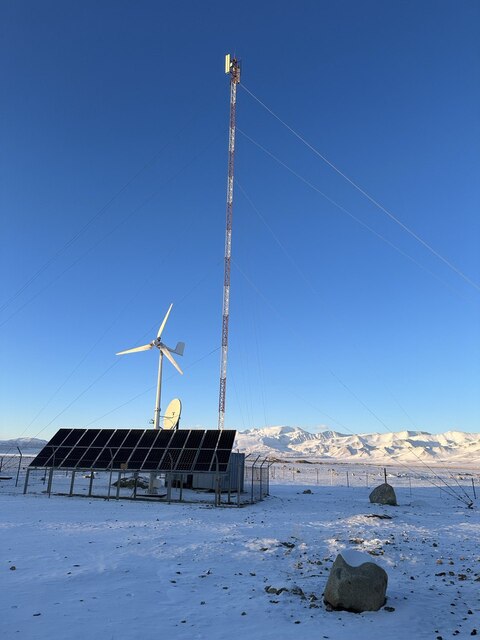
The topic of energy supply in general has been and remains one of the most important in our work. Communication must be available to subscribers regardless of weather or other factors. To do this, in 2026 we will install 105 new diesel generator sets at base stations, and we will completely replace the engines at approximately 100 more existing diesel generator sets.
This is actually the equivalent of installing new equipment, because it significantly increases the service life of diesel engines and reduces the risk of failure. In addition, it is planned to replace 450 batteries. Can you imagine the amount of work our engineers need to do every year – especially taking into account the fact that to get to some BS you need to drive several hundred kilometers off-road?
Of course, I really want subscribers to know about this. We will also provide reliable power supplies to all key switching nodes to minimize downtime during mass power outages.
Each such project is a challenge for a professional. After all, you have to learn new software and install equipment, which you often deal with for the first time in your life. Ensuring that different technologies are “friendly” with each other, which is not easy when the infrastructure combines the hardware of several generations of communications at once. And we don’t just study something new – we regularly outpace the market and introduce innovations first in the country, as was the case with 3G, 4G and 5G technologies.
If questions arose, there were two options: either consult foreign colleagues, or figure it out yourself. The second is preferable: for a professional there is no greater pride than feeling like a pioneer.
— You mentioned 5G communications. The first fragment was launched several years ago. When will there be a sequel?
– And it has already arrived. Yes, we built the fifth generation BS back in 2020. This was proactive work: there were no services yet that really needed “gigabit” mobile Internet speeds. But if a promising technology appears, it must be mastered – this is our position, which has brought the company the status of a technological leader in telecom.
Now the situation with 5G has changed. Thus, it is possible to use IoT and the Internet of Things much more widely – the business market is ready for this. Individual subscribers already have a need for high-definition video streaming and “ultra-high-speed” Internet for modern online games. Therefore, right now the phase of active expansion of the 5G network begins. We launched 6 new fifth-generation base stations in 2025.
In the future, construction will proceed at an increasing pace – over the next two years we plan to install 200 BS of this standard in large cities of the country. Let me clarify: this is not just about installing base stations. Along the way, scenarios for using 5G communications are analyzed, services based on this technology are developed, frequency resources are optimized, and a lot of our “invisible” work is done. But technologically and morally we are ready to launch 5G in 2020.
— If you sum up the results of all 25 years of the company’s work, what results would you include in the top 3?
— The most important thing for me is, firstly, that it was possible to build such a large-scale and reliable infrastructure covering absolutely all regions of Tajikistan. Secondly, we managed to grow from a regular telecom operator into a digital company, which in many ways sets the tone in the telecom market and contributes to the evolution of the digital sphere in the country as a whole.
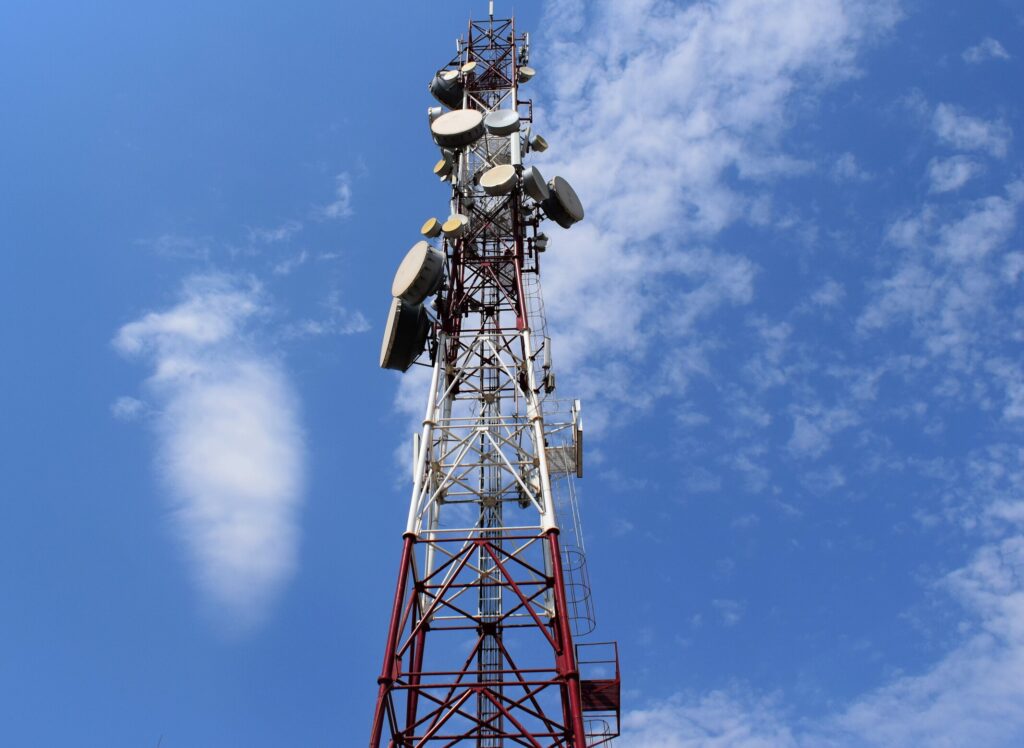
I mean, among other things, our mobile application MegaFon Life, joint projects with banks, retail chains, and government organizations. And thirdly, that we managed to win the trust of millions of residents of our country. Only knowing the scale of our “invisible” work can you understand how much is done to ensure the reliability and security of our services.
– Today is Communication Day! Tell me, what does it mean to you to be a real signalman?
“This means being aware of your responsibility to those who trust MegaFon Tajikistan communications.” And to understand that it is not enough to earn the status of a technological leader, a leader of digitalization – we must constantly prove that we are worthy to continue to bear this high title. This is what we do every day, without holidays or weekends!