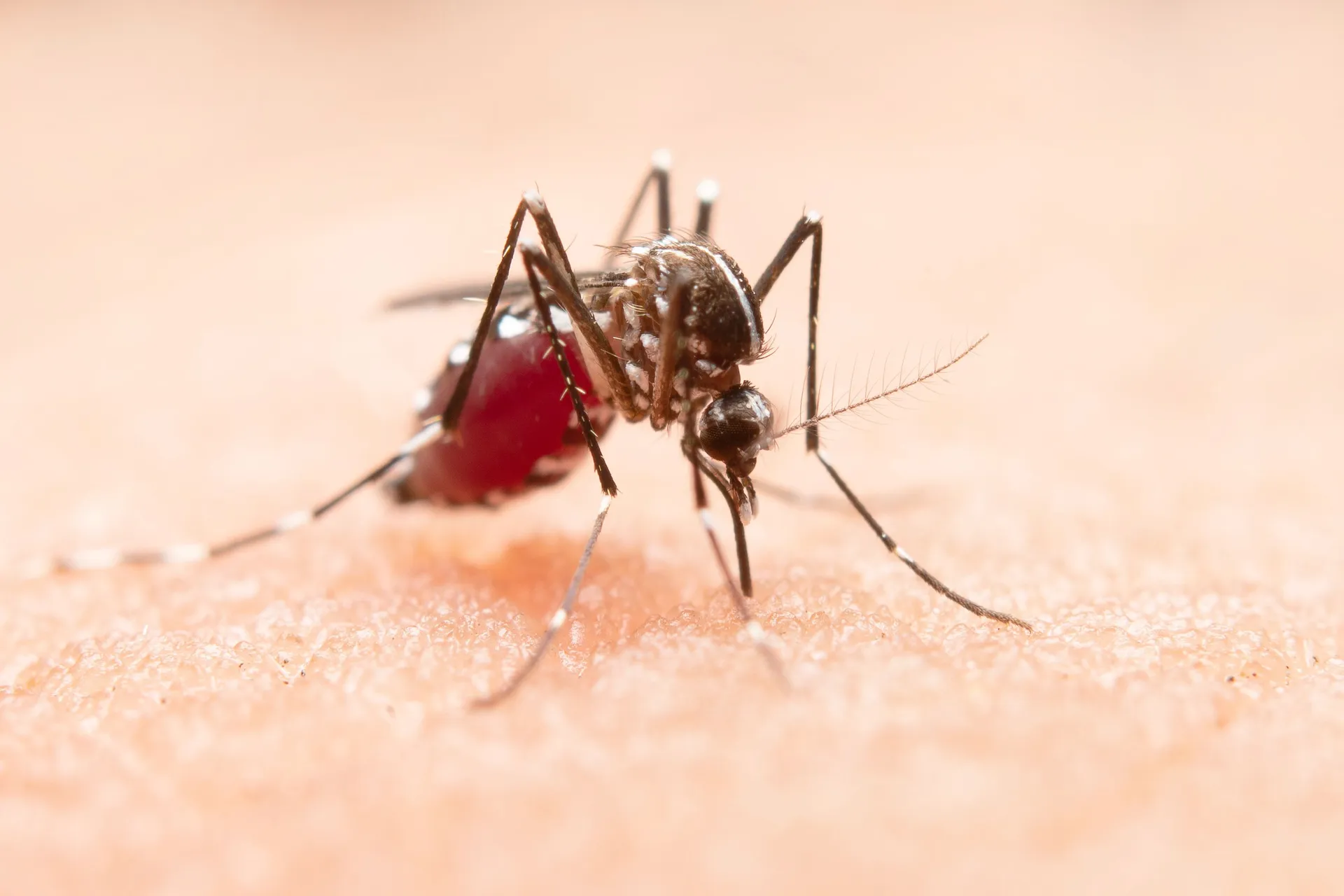
Summer has arrived, and with high temperatures, mosquitoes have reappeared. Every year, numerous tips circulate on how to avoid them or mitigate the consequences of their stings, but not all of them are equally effective or have scientific confirmation.
One of the most important protection measures is the removal of stagnant water, because mosquitoes lay their eggs in it. Containers, pots, buckets, gutters and other places where water is retained are ideal for their reproduction, which is why they need to be emptied and cleaned regularly.
The risk of stings can be further reduced by simple habits. Lighter clothes are less attractive to mosquitoes than dark clothes, and the scents of certain plants, such as lavender and basil, can have a mild repellent effect. Nevertheless, lemon eucalyptus essential oil proved to be the most effective among natural remedies, whose effectiveness against mosquitoes has been confirmed by research.
On the other hand, there are also numerous myths. There is no evidence that consuming sugar attracts mosquitoes, nor that apple cider vinegar or cucumber can repel them. Perfumes and deodorants can in certain cases affect the attraction of insects, but this depends on several factors, including the natural body odor and metabolism of each person.
If a sting does occur, itching and redness are caused by the body’s reaction to histamine. Cold compresses can help relieve symptoms, and there are preparations available in pharmacies that reduce irritation and speed up skin recovery.
In the end, the best protection remains a combination of preventive measures – removing standing water, wearing appropriate clothing and using proven repellents. Although many natural tricks are popular, most of them have no proven effectiveness.