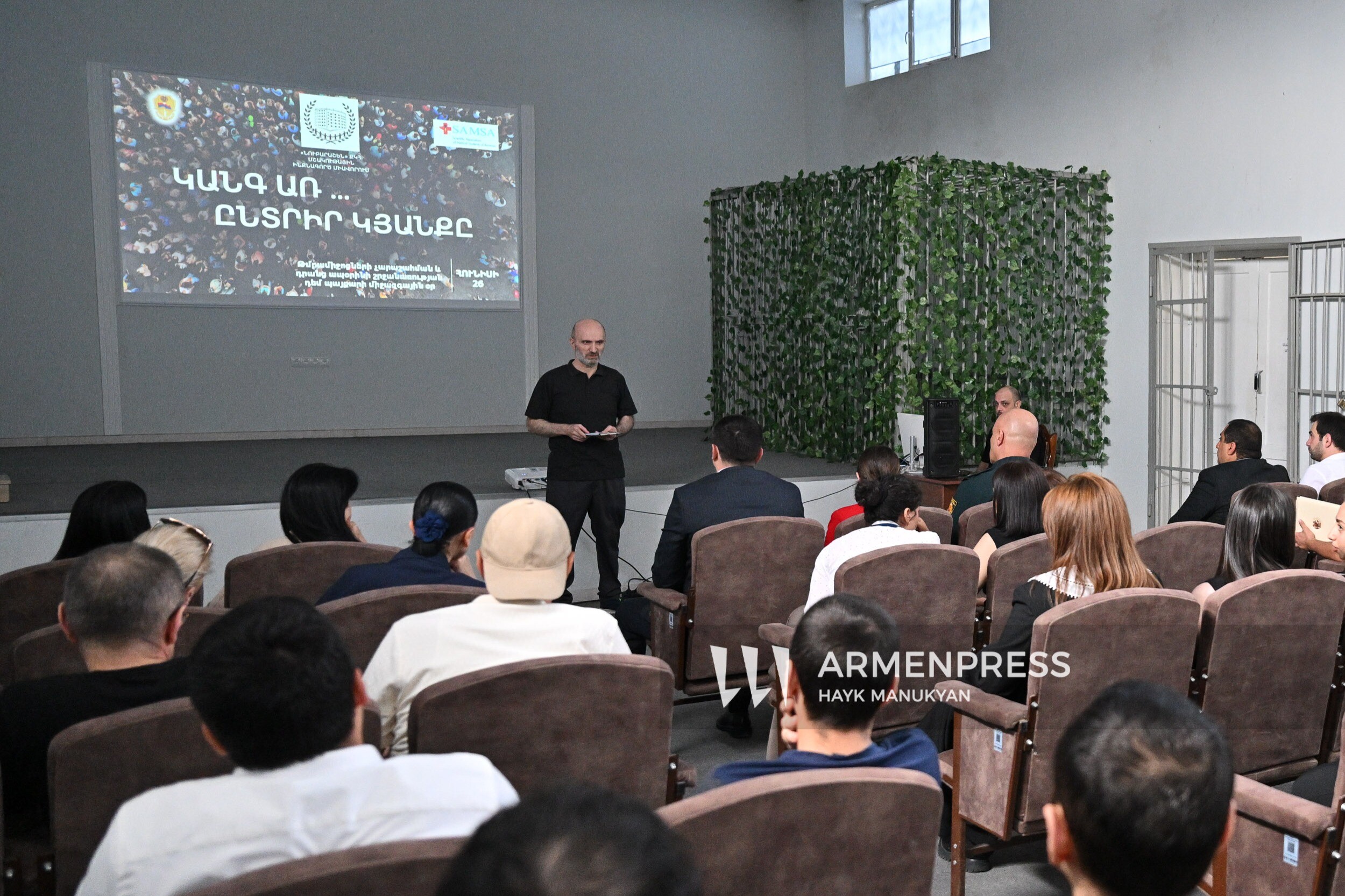
“Nubarashen” Penitentiary Institution of the Ministry of Justice of Armenia on the occasion of the International Day of Combating Drug Abuse and Illicit Trafficking took place: “Stop… with the title “choose life”.
“Armenpress”According to the report, at the beginning of the event, Lieutenant Colonel Erik Ghukasyan, senior criminal police officer in charge of especially important cases of the Department of Combating Illegal Drug Trafficking of the Main Department of Criminal Police of the RA Ministry of Internal Affairs, presented the strategy of combating drugs.
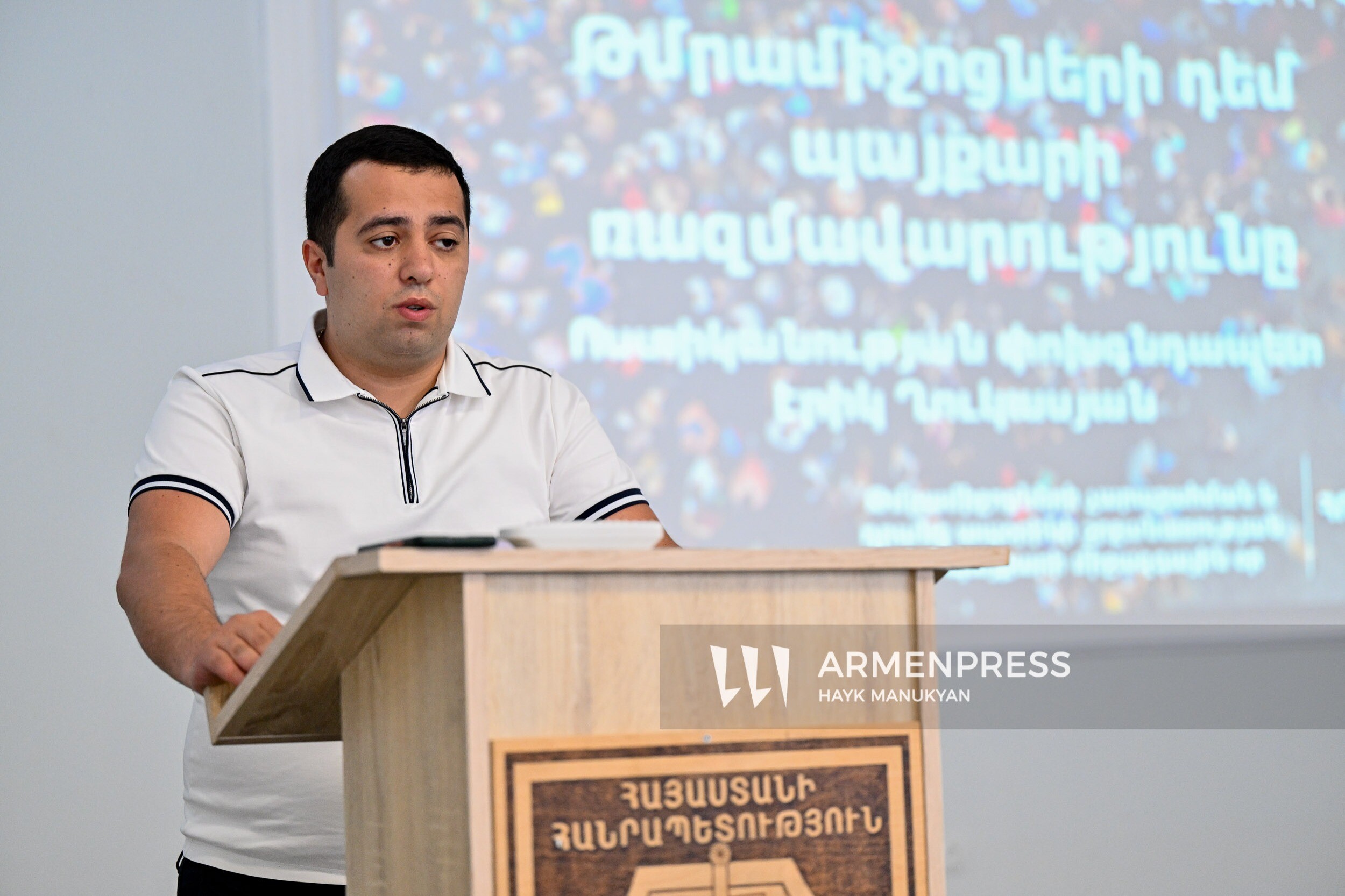
“Persons deprived of their liberty, including convicts held in prisons, are, as a rule, more vulnerable in terms of the formation of disorders caused by the use of drugs. “As of December 31, 2022, 144 convicts have been sentenced for crimes against the illegal circulation of narcotic drugs, psychoactive substances, their preparations, highly effective or toxic substances, as of December 31, 2023, 192 convicts, and as of June 30, 2024, 239 convicts,” said Ghukasyan.
According to his information, during 2023, 34 cases of attempted penetration of drugs and psychotropic substances were recorded in the prisons of the Ministry of Health, and 30 cases in the first half of 2024. The following types of drugs were found most often: Marijuana – 460,801 grams in 2022, 283,954 grams in 2023, 62.42 grams in the first half of 2024, Heroin – 59,624 grams in 2022, 56,876 grams in 2023, 9.4 grams in the first half of 2024, methamphetamine – 2022: 16,478 grams, 2023: 15,894 grams, 1st half of 2024: 8.13 grams, Hashish-2022: 14,966 grams, 2023: 44.95 grams, 1st half of 2024: 19.22 grams, Hexahydrocannabinol-2022 in 2023: 15.6671 grams, in 2023: 10.29 grams, in the first half of 2024: 44.12 grams.
“The main ways of finding narcotics and psychotropic substances in the prisons were the planned and unplanned searches of the accommodation cells, including the searches of the orders handed over by the persons who visited the prisons. In order to ensure the proper resocialization of convicts, it is necessary to address the disorders and provide continuous treatment and support for sustainable rehabilitation,” said Ghukasyan.
According to him, prevention of drug use by convicts, evidence-based treatment, prevention of overdose and provision of social support are of primary importance from the point of view of both the effectiveness of the criminal justice system and sustainable community development.
Alexander Ter-Hovakimyan, co-chairman of the cultural self-made association of “Nubarashen” Penitentiary, presented a report entitled “Direct aspects of drug use”.
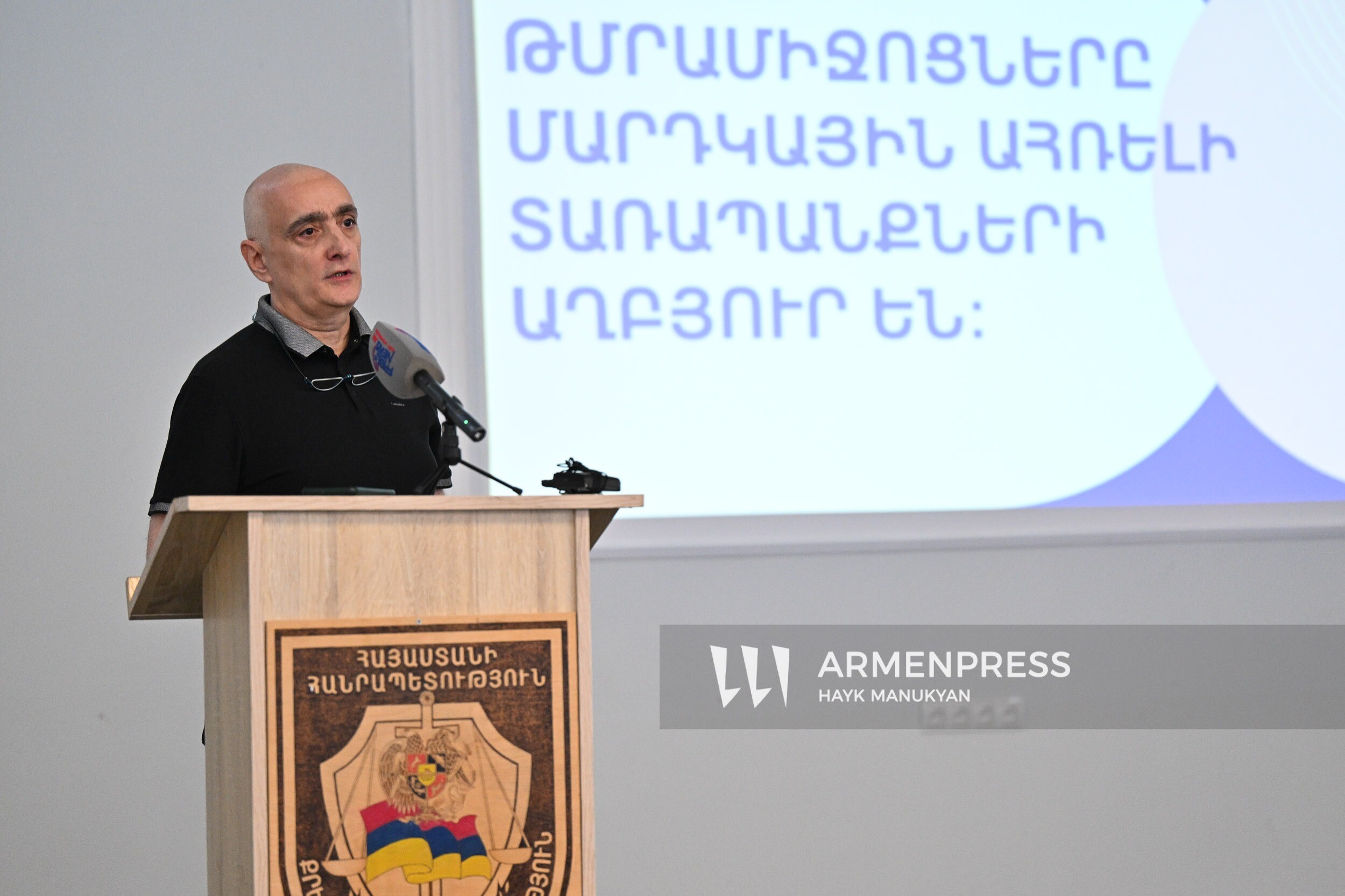
“In reality, drug addiction, drugs and their illegal circulation are a source of immense suffering. According to international reports, about 316 million people in the world use various drugs. The primary target of the main influence is the youth, therefore all programs should be directed specifically to protect that age group from this scourge. Drugs are also a serious source for the spread of corruption and various crimes,” said Ter-Hovakimyan.
According to him, the fight against drugs cannot be effective without prophylactic treatment and rehabilitation. According to him, the public will succeed in this struggle if it can achieve results by reducing the demand for narcotics and psychotropic substances, because in that case a simple market mechanism works: until there is no demand, no one will be interested in the offer.
“Unfortunately, the criminal units do a lot of work in order to stimulate the demand for narcotics and psychoactive substances, and only then can they do their black business effectively. It is necessary to always remember that drugs can cause direct damage to the human body and to constantly be aware of the destructive consequences of their use. The real challenge of recent times is new psychoactive substances. Unfortunately, the progressive development of some areas has also brought with it a negative impact. Now the criminal groups using AB are trying to get the effects of new prohibited substances by combining non-prohibited substances. They are usually called designer drugs,” said Ter-Hovakimyan.
Diana Ghazaryan, head of the program of the Council of Europe, noted that with the support of the Council of Europe, a program aimed at preventing drug addiction was implemented in May of this year.
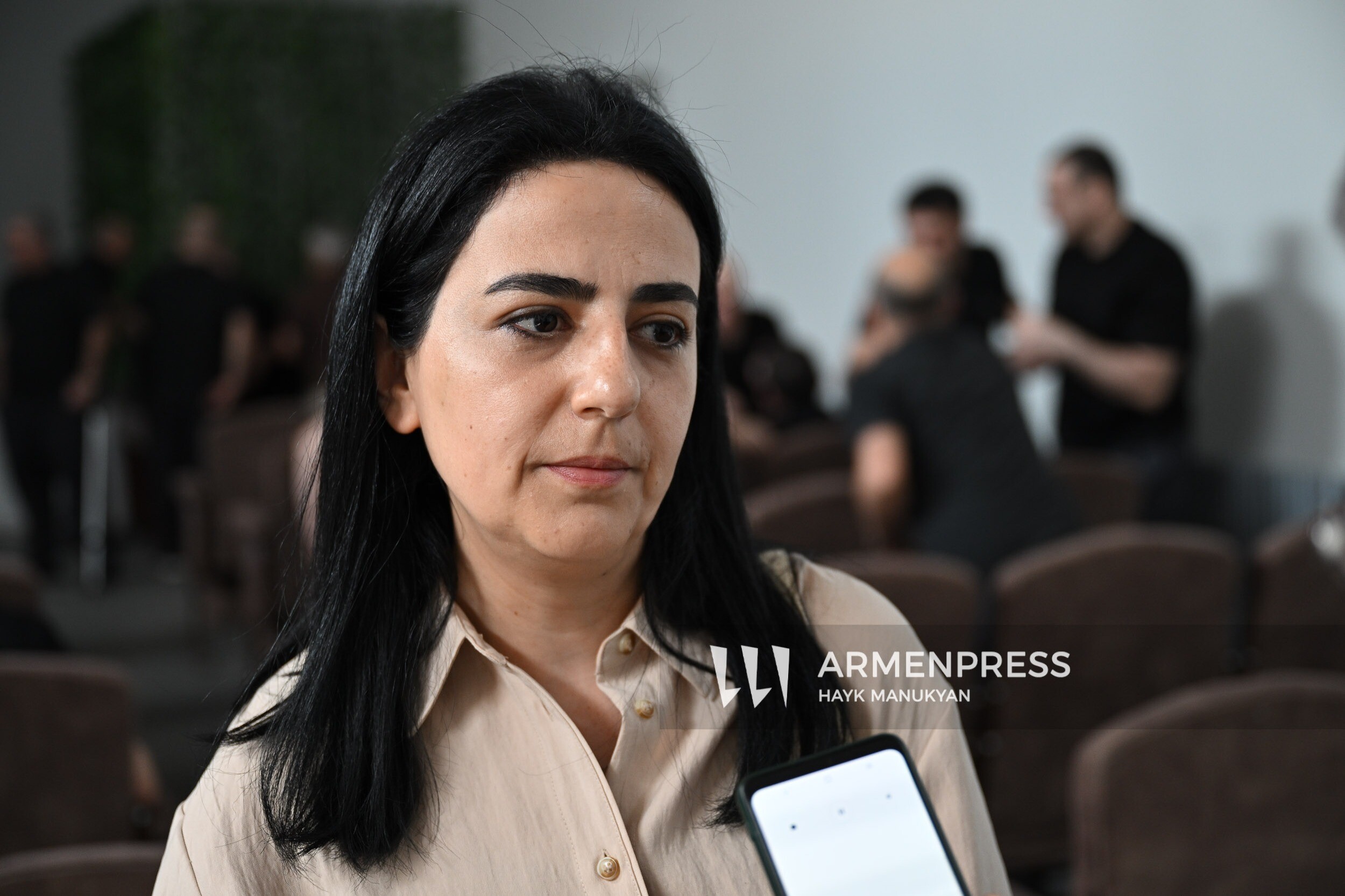
“The goal of the project was to involve convicts, to equip them with the appropriate skills, knowledge and abilities, so that they can further professionally support those people who have to go through the path of overcoming addictions. The program was quite successful and today we have the opportunity to hand over graduation certificates to the participants of the program who are serving their sentence in “Nubarashen” Penitentiary. We hope that the program will be continuous,” said Ghazaryan.
Within the framework of the event, the convicts presented thematic reports, as well as presented other initiatives dedicated to the council of the day. In particular, Vardan Darbinyan presented his life path, stating how he managed to overcome drug addiction and recover from that evil.
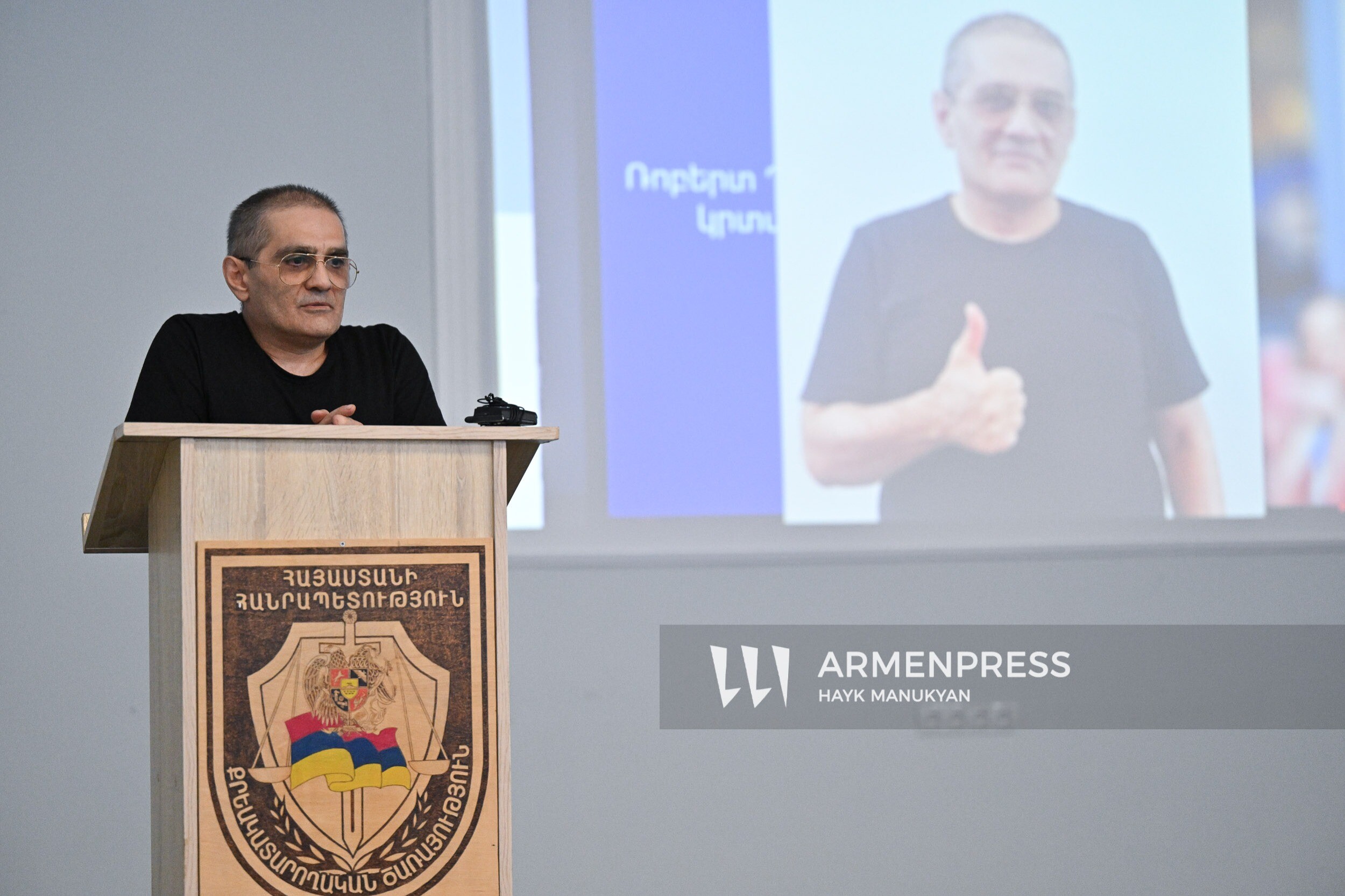
Within the framework of the event, a video was shown to the attendees, which was filmed by the cultural self-made association of “Nubarashen” prison, referring to the fight against narcotics.