Too little over a year ago, at the beginning of October 2025, naalakkersuisoq for health, Anna Wangenheim (D), and then member of Naalakkersuisut Mads Pedersen presented a series of recommendations for a new, evidence-based alcohol policy.
The recommendations include measures such as a public alcohol monopoly, an age limit of 21 for the purchase of alcohol and a ban on the marketing of alcohol.
Since the presentation, there has been silence about the political process in relation to the recommendations, whether the recommendations should be translated into concrete policy.
This despite the fact that children’s advocate Stina Sværd, among others, has called several times for Naalakkersuisut to take up the work of designing a new alcohol policy, referring to the fact that children and young people continue to live with serious consequences of alcohol abuse by adults.
– The responsibility cannot be placed solely on the health sector
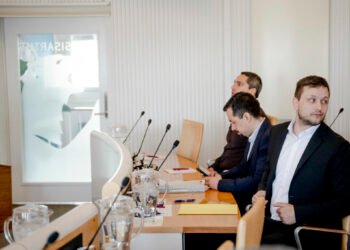
This week, however, Naalakkersuisut has announced that negotiations have begun with the parties in Inatsisartut, and Sermitsiaq has asked Anna Wangenheim why it has taken so long to start the negotiations.
She writes in a written response that she understands the question well, but that more preparatory work has been put in place before the negotiations, partly because a new alcohol policy will affect a number of areas of responsibility and not just her own, which is health:
– If we are to succeed in protecting our children and young people, strengthen families and reduce the human and social consequences of alcohol, we cannot place all the responsibility on the health sector.
– We have to think across sectors and involve the relevant actors, so that we get a coherent effort that also includes prevention, the social sector, treatment and the framework under which our children and young people grow up, writes Anna Wangenheim.
She states that she has also held meetings with the retail trade, MIO and the municipalities on the matter before negotiations with the parties could get under way.
Wants a long-term political agreement – hopes for results before the end of the year
According to Anna Wangenheim, the goal is now to land a long-term political agreement with a broad mandate in Inatsisartut.
– An agreement that can last over several election periods, and which does not risk becoming a recurring election campaign theme or significantly changed every time the political majority changes, she writes.
In 2018, Anna Wangenheim’s party, Demokraatit, was precisely behind demands to relax the then alcohol law, which had just been introduced. The party then received support for the demands
In relation to the current negotiations, according to Anna Wangenheim, it is both about protecting the individual’s freedom and about preventing situations where alcohol limits people’s options and has serious consequences for themselves and their loved ones.
– It is my impression that the time has been fruitful for the parties, as we can enter into dialogue more easily and quickly about what actually divides and brings us together.
– Therefore, we hope that before the end of the year we can agree on a political framework agreement so that the legal technical work can begin, says the expectation from naalakkersuisoq, Anna Wangenheim.