After the accession of Croatia, Great Britain left. At the same time, the stagnation in the expansion is not caused by a lack of interest.
On the contrary. There are currently nine official candidates for membership – Albania, Bosnia and Herzegovina, Montenegro, Georgia, Moldova, North Macedonia, Serbia, Turkey and Ukraine. Kosovo is a potential candidate.
Five countries still too far
Of those 10 countries, it can be safely said that BiH, Georgia, Serbia and Turkey will not be part of the bloc in the foreseeable future, due to various political obstacles in each of them.
The lack of ‘universal’ international recognition, along with non-recognition by EU members – Cyprus, Greece, Romania, Slovakia and Spain – means that Kosovo will not be part of the club in the near future either.
Moldova and Ukraine – their fate will also depend on the outcome of the war
Moldova and Ukraine are the latest candidates, poised to make rapid progress in the accession process. The European Commission proposed this week the opening of the first negotiation chapters with them.
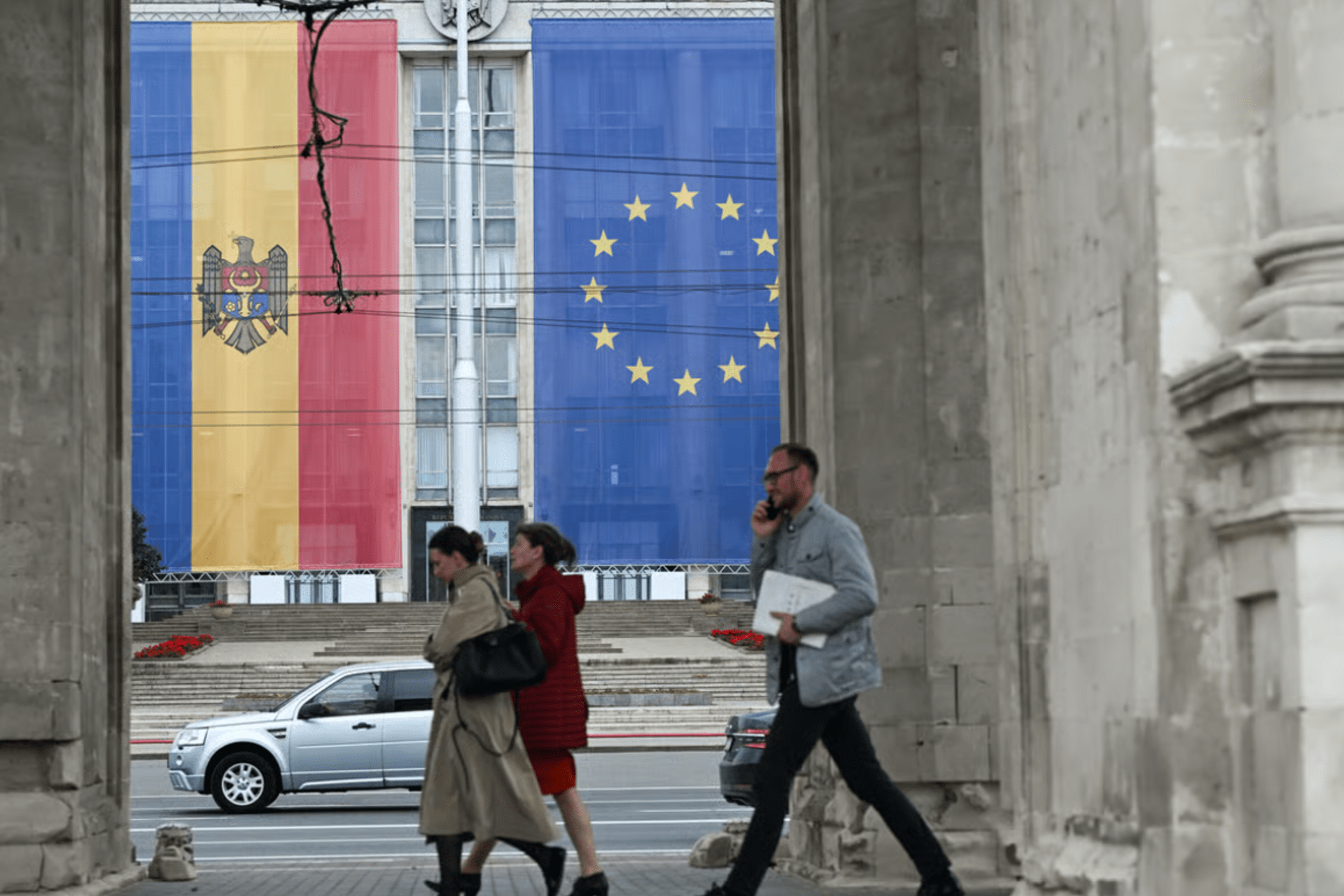
Moldova wants to join the EU as early as 2028, so in that direction they have even expressed the desire to consider unification with Romania. And Ukraine wants to join the EU as soon as possible, while Germany has already proposed a model of ‘associate membership’, which would enable that country to use funds, participate in decision-making bodies, with security guarantees, but not the right to vote. That proposal was not met with much enthusiasm.
The fate of the candidacy of both countries, however, will depend to a great extent on the outcome of the war in Ukraine.
Just like NATO, the EU does not want to ‘import’ disputes and conflicts.
Tirana and Skopje still have a lot of work to do
Albania and North Macedonia became candidates for membership at the same time. North Macedonia even changed the name of the country to please Greece, so their commitment should not be questioned.
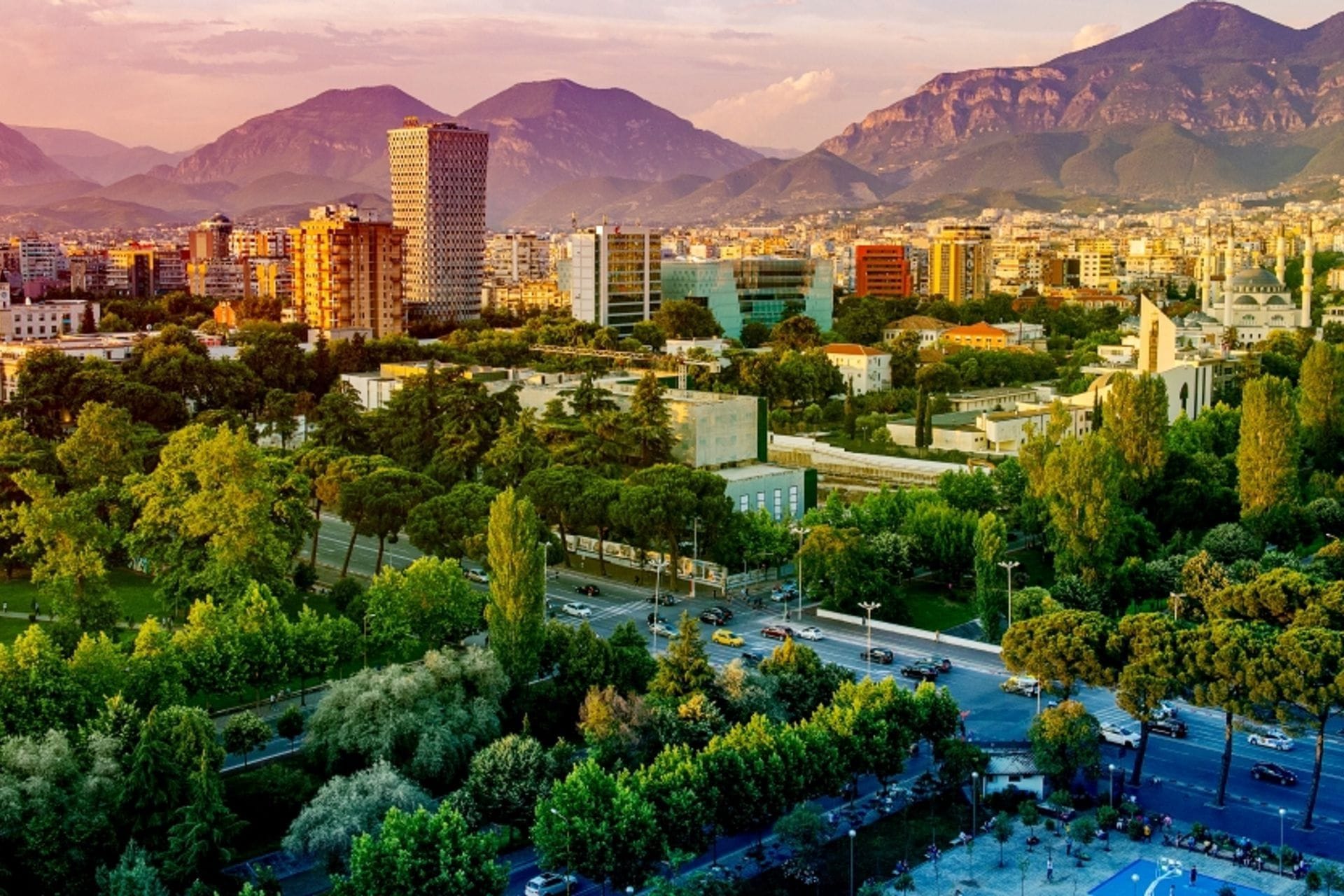
But both countries must make serious reforms, while hoping that the diplomatic winds will blow in their favor if they dream of membership before 2030. A lot of work still needs to be done.
Montenegro is in pole position – there are many reasons why they should be the 28th member
This means that Montenegro is in pole position. At the same time, EU membership is an extremely popular idea in that Adriatic country, and the Government is committed to the plan and reforms.
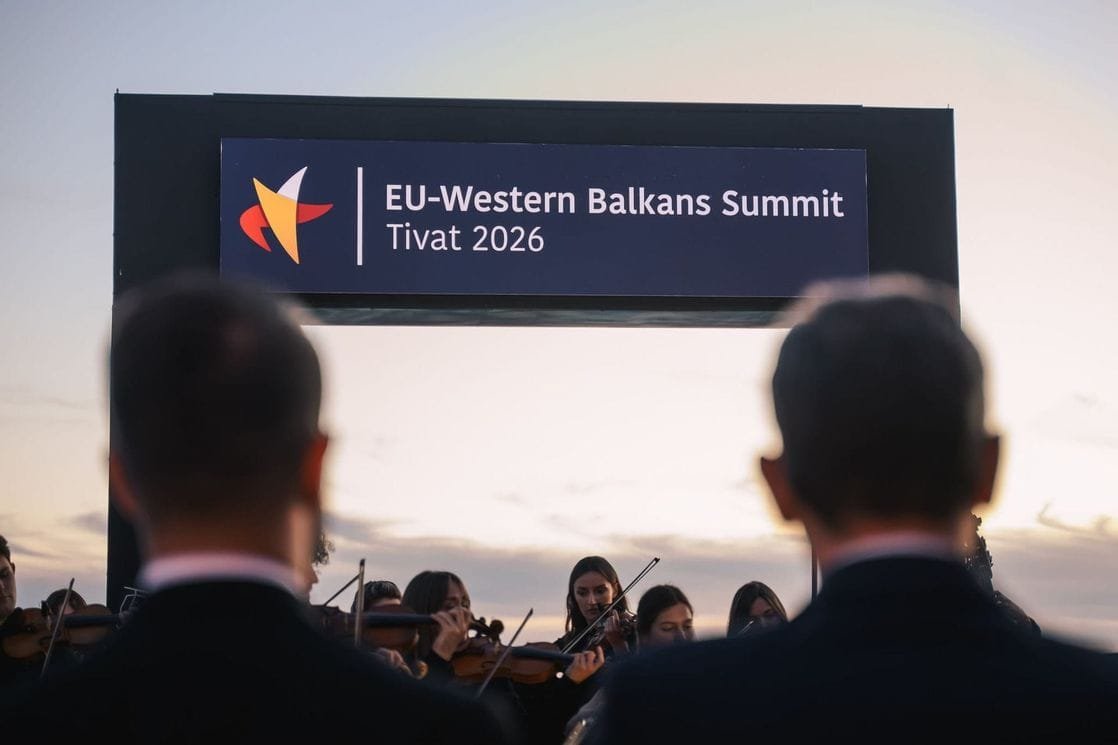
The EU-Western Balkans Summit in Tivat is a strong signal that Montenegro is first in line for enlargement.
Diplomats start working on an accession treaty, so things get serious.
There are many reasons why it makes the most sense for Montenegro to be the 28th member.
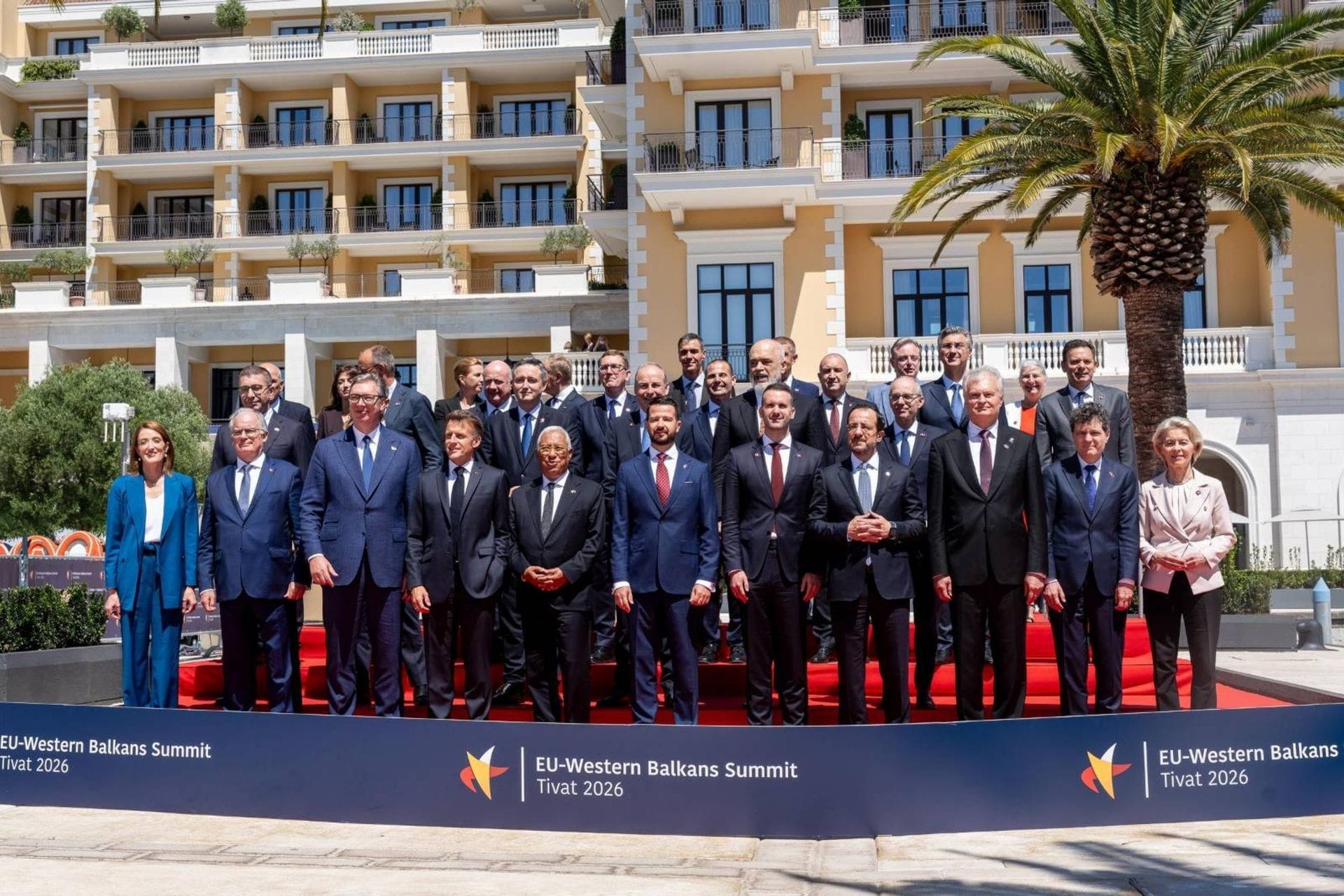
The country is small, it has only 600,000 inhabitants, so the balance of power in the EU would not be too ‘affected’.
Thanks to the political and propaganda influence, Montenegro is still in Russia’s sphere of interest. Membership of Montenegro would therefore be a major diplomatic victory for the EU and would potentially be useful in terms of neutralizing Moscow’s influence in the region.
Finally, choosing a relatively low risk, such as Montenegro, would show other candidates that membership is not an empty promise and that, if they resort to reforms, they will be accepted.
Without it, Russia and other actors, such as China and America, could shake faith in the EU by showing that Brussels is not living up to its promises.
Iceland could ‘interfere’, Norway and Britain so far hardly…
However, even though it is leading among the official candidates, there is a solution according to which Montenegro may not be the first to cross the threshold of the EU. Iceland, Norway, and even Great Britain could catch up with Podgorica.
Continuous upheavals in the established world order, along with the geopolitical games of Russia and America, made people in those countries wonder if it might be better to be inside among friends, than standing outside in the cold.
Iceland will hold a referendum in August. In case they decide to ‘unfreeze’ the negotiations, they could proceed quickly, because that country is generally aligned with the norms and principles expected of the members.
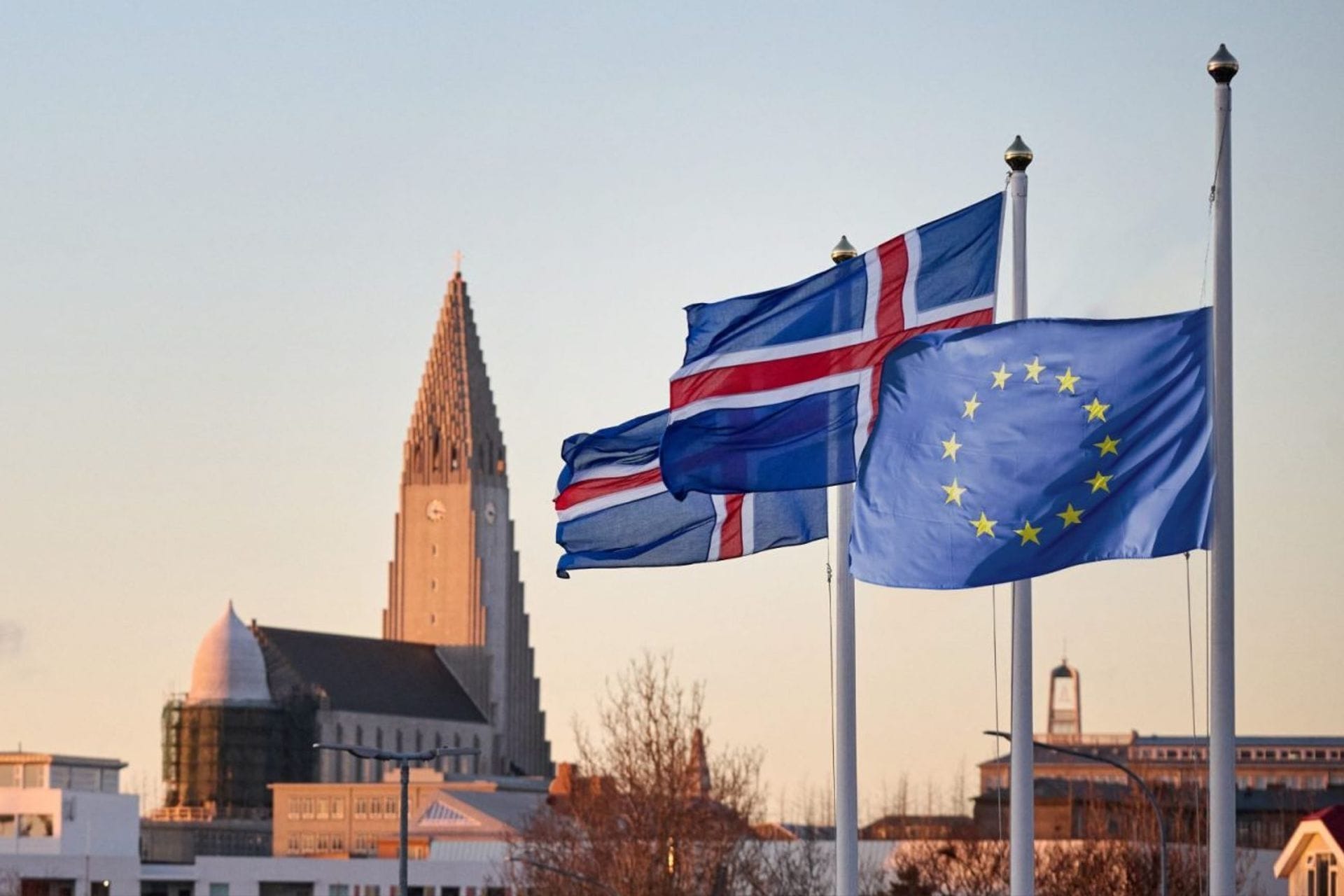
There are also those in Norway who are ‘warmed up’ to the idea – pro-European sentiment is definitely on the rise, although there is still no clear majority on either side. For now, it is unlikely that the Government of Norway will enter into the story of eventual membership.
And finally, there is the United Kingdom. Ten years after Brexit, there is clearly a consensus that it was a bad idea, damaging the country both economically and diplomatically.
The current Labor Government, however, is not pursuing anything that would act as a return to the EU. They also excluded the possibility of joining the single market. However, should we remind you that Prime Minister Keir Starmer has been on ice for weeks, so we should not rule out a solution according to which Britain could get a new leadership in the future.
And if the new leadership moves the ‘red lines’ in relation to Brussels, thereby strengthening the aspiration to return to the EU, then serious discussions would follow on the conditions under which this would happen.
Finally, the fact is that EU membership remains popular and attractive. But the fact that the existing members – those who will eventually have to reach a consensus regarding who will join them in the club – is perhaps the biggest real obstacle to expansion.