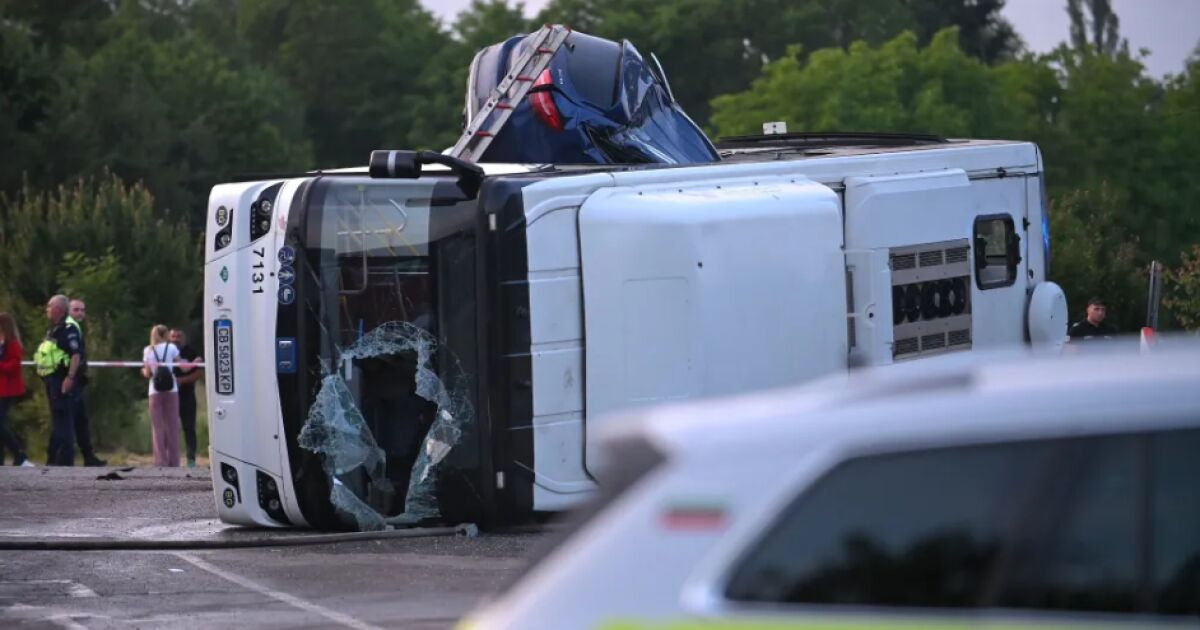
But even before the court rules, the case raises a bigger question. Not only for this accident, but for the way a part of society perceives speed behind the wheel.
Because if the version of driving at more than 150 km/h is confirmed, it is not just a violation. This is a speed that many times exceeds the allowable one in an urban environment and practically leaves no chance to react in case of danger.
In Bulgaria, serious accidents related to high speed have not been rare for a long time. After every tragedy, the same questions follow – how is it possible, why did no one prevent it, what needs to change. After that, public attention is gradually directed elsewhere, and the next serious incident brings the topic back on the agenda.
The problem is not just the individual driver. Another problem is the culture that often portrays aggressive driving as impressive. Social media is full of videos of cars traveling at speeds well above the speed limit.
Sharp acceleration, drifting, risky overtaking and displays of power often garner admiration rather than condemnation.
Thus, a dangerous substitution is gradually created. Instead of seeing speed as a risk, it’s starting to be seen as a skill. Rather than as a threat to other road users – as proof of confidence or prestige.
However, the reality is different. At such speeds, physics leaves no room for heroism. The braking distance is extended, the reaction time is reduced, and the consequences of each collision become many times more severe.
Therefore, the question after every such tragedy is not only who pressed the pedal. The question is why there are still people who believe that such behavior is acceptable.
The “Chelopeshko Shose” disaster will have its legal answers. But the public question remains. When did speed stop being a warning and start being perceived as an occasion for self-confidence?
And how many more human lives will this replacement cost?