Violations of the ban are subject to administrative penalties and even criminal prosecution.
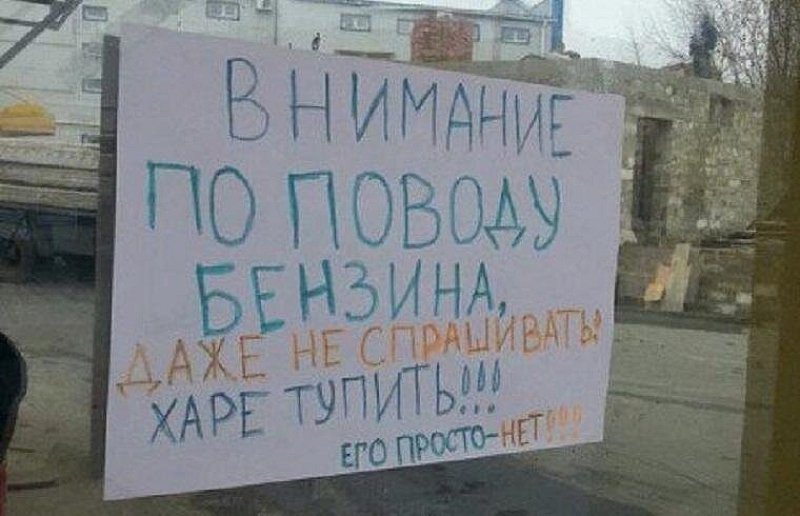
More and more gas stations are closing.
Sevastopol was the first to limit the sale of gasoline to 20 liters per car and introduced coupons for diesel fuel. Gradually, gasoline A-92 and A-95 began to disappear.
The “20 liter” regime has also been introduced in Crimea. With a special permit, fuel is given to people who are from other regions of Russia and want to leave the peninsula permanently.
From today, limits are introduced for the sale of fuel in the territories occupied by Russia in the Ukrainian – Zaporozhye and Donetsk regions.
The crisis also covers Tver and Novgorod regions.
In the spring, Ukraine’s armed forces stepped up strikes on Russian oil infrastructure. In May alone, drones hit 16 important refineries. More than 30 fuel facilities, including pipelines, ports and tankers, were also destroyed, Bloomberg reports. This is a record since the beginning of the war.
As a result of these attacks, Russia’s oil refining volume has fallen to its lowest level since 2009. By the second half of May, fuel output had fallen by a quarter, according to Reuters data.
At the same time, the oil companies have reduced the supply of fuel to the stock market, from where the gas stations are supplied. In May, the volume of deliveries of A-95 decreased to 5 thousand tons per day – by a third compared to last year. As a result, in the wholesale trade since the beginning of the year, gasoline prices have increased by 26%, and for gas stations – by 4.3%, with inflation of 3.2%.
The Kremlin urgently banned the export of gasoline from March, and in June a similar decision was extended to aviation kerosene. So far, however, this is not working. The crisis is rapidly spreading throughout the country.
The shortage opened up a black market for fuel. Prices there are currently 3-4 times higher, but experts predict even greater growth in the summer.
Increasingly, dissatisfaction erupts among Russians not only because of missing fuels, but also because of missing essential goods and the increase in prices of many products. The authorities do not dare to use repressive measures for fear of provoking riots and mass protests.