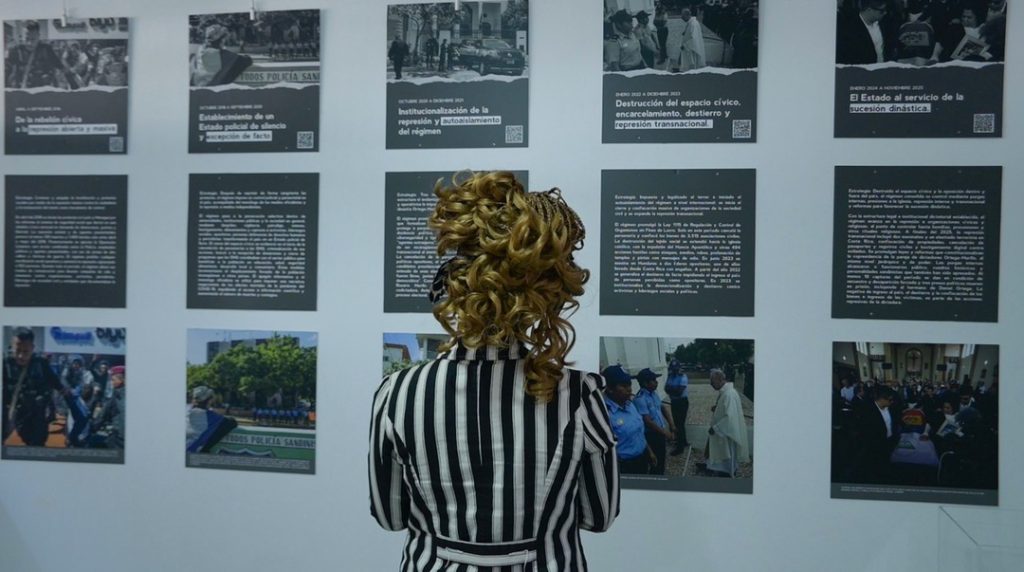
With a timeline of the serious human rights violations committed in Nicaragua, between 2018 and 2025, the tour of the memory museum begins What we must not forget, presented on April 20, 2026 in San José, Costa Rica, by the Nicaragua Never Again Human Rights Collective.
This timeline exposes facts such as Mother’s Day Massacrethe Cleaning Operationthe confiscation of social organizationswhich illustrate the seriousness of the violations committed by the regime of Daniel Ortega and Rosario Murillo.
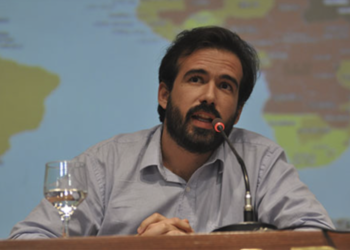
The exhibition of the events is only the first of four large sections of the museum called: what happened in Nicaragua and its impact, the strategies of repression, the perpetrators and testimonies and the route of justice, explains Salvador Marenco, founding member of the Human Rights Collective.
“We start with a chronology because we cannot forget that crimes against humanity began in 2018; however, these have been constant in recent years,” emphasizes Marenco.
In the second stage of the museum, the repression strategies implemented by the regime are exposed, such as repression during proteststhe imposition of de facto police state, the “Chamuca” constitutional reform wave transnational repressionin recent years.
In addition, some methods used to repress, punish dissent and control citizens are detailed, as recorded in reports from the Nicaragua Never Again Collective, the Inter-American Commission on Human Rights (IACHR) and the Group of Human Rights Experts for Nicaragua (GHREN), also available in the museum.
With this exhibition, the Nicaragua Never Again collective seeks to contribute to the construction of a sustainable democratic future, based on the recognition of the truth, the dignity of the victims and the need for justice, reparation and guarantees of non-repetition.
The tour of the museum continues with a detailed description of some of those responsible for serious human rights violations. Among them are the co-presidents Ortega and Murillo; the former Minister of Health, Sonia Castro; the president of the National Assembly, Gustavo Porrasthe magistrate of the Supreme Court of Justice, Ernesto Rodriguez and the vice minister of the Interior, Luis Canas.
“Here you can find 26 photographs, but the perpetrators are many more. Only we, the human rights group, have been able to document more than 600 perpetrators of human rights violations and crimes against humanity,” Marenco continued.
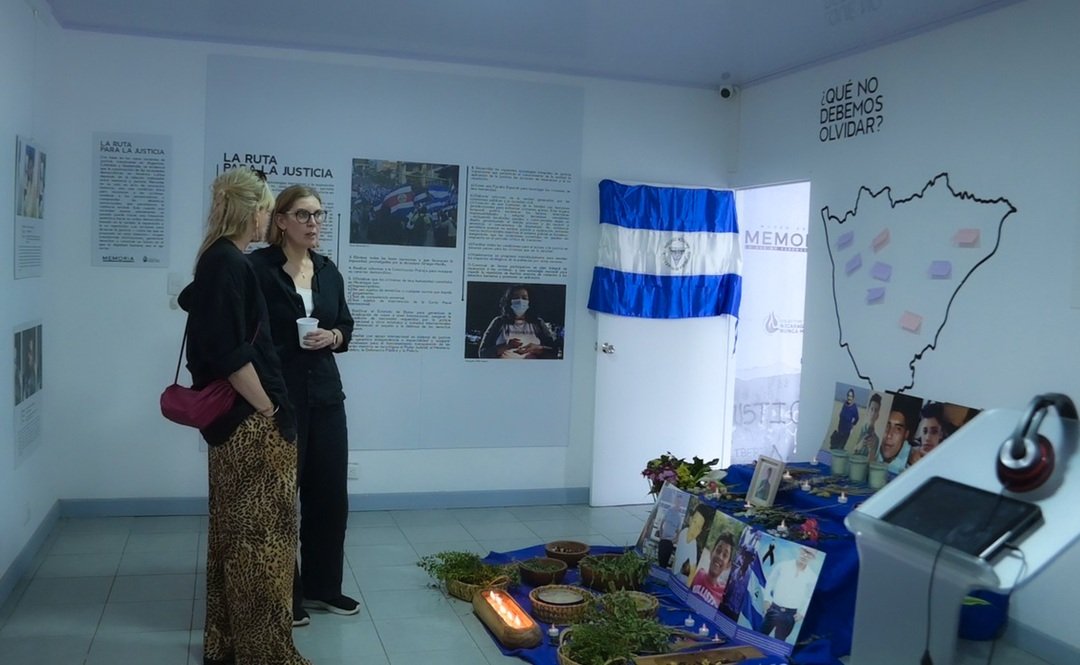
In the last stage of the museum, visitors can hear testimonies from victims and learn about a proposed route to justice for Nicaragua.
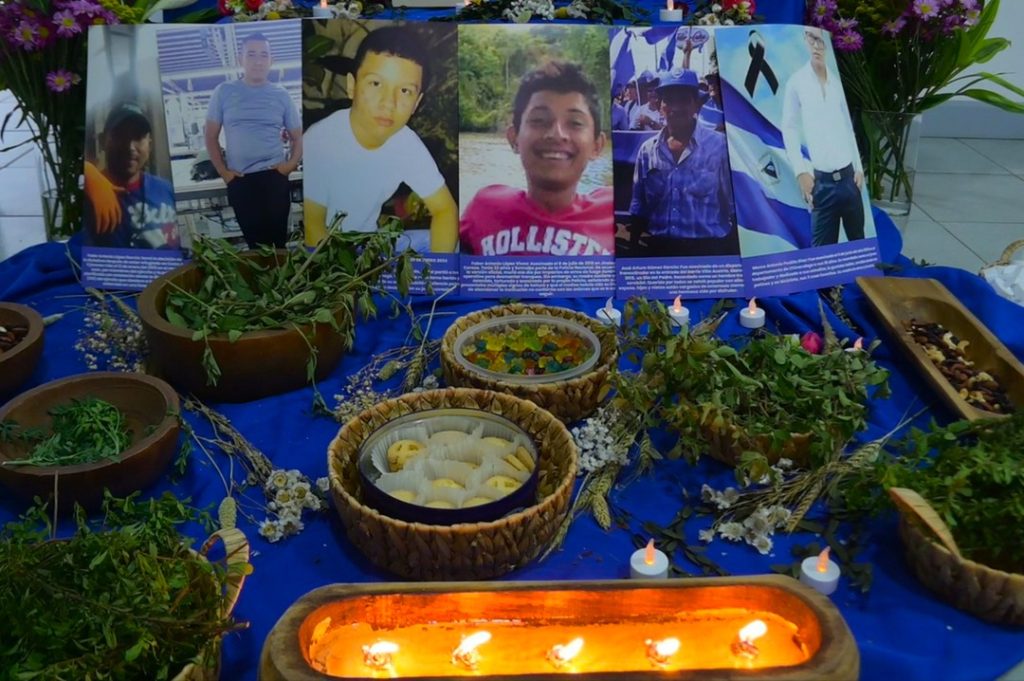
“This is an interactive museum because the memory We build it together, memory is the fundamental part of laying the foundations of a new Nicaragua,” remarked the human rights defender.
At the end of the tour, there is an altar dedicated to the victims of the regime and a map of Nicaragua where visitors can write, in their opinion, “What we must not forget.”