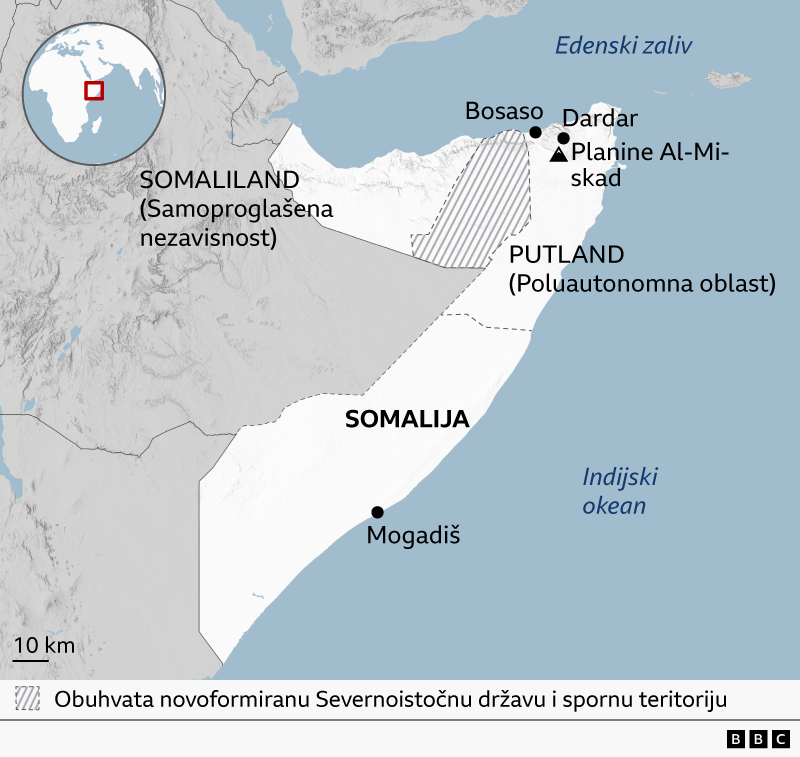
In the remote Al-Miskad mountains in Somalia, a group of soldiers gather around a small screen as they watch Islamic State fighters on drone footage.
A figure appears in the picture, moving through the valley.
“He was going to get water for his friends,” says the drone operator.
“He’s running and carrying something on his back,” adds another soldier.
The man on the screen is near a cave, which the military believes is a hideout for 50-60 Islamic State fighters.
The Puntland Defense Forces have about 500 soldiers deployed at this base in northeastern Somalia.
Ten years ago, this hilly terrain was home to only a few nomadic communities, but that changed when the Islamic State established a foothold there and began to expand its activities in Africa, while its fighters were driven from other strongholds in Syria and Iraq.
In April 2025, General Michael Langley, then the commander of the United States Africa Command, told the US Congress that “ISIS controls their global network from Somalia.”
And in recent years, America has supported Somalia’s fight against the Islamic State.
It bombed soldiers hiding in Somali caves.
During 2025, the Pentagon carried out 60 attacks on the Somali branch of the Islamic State group.
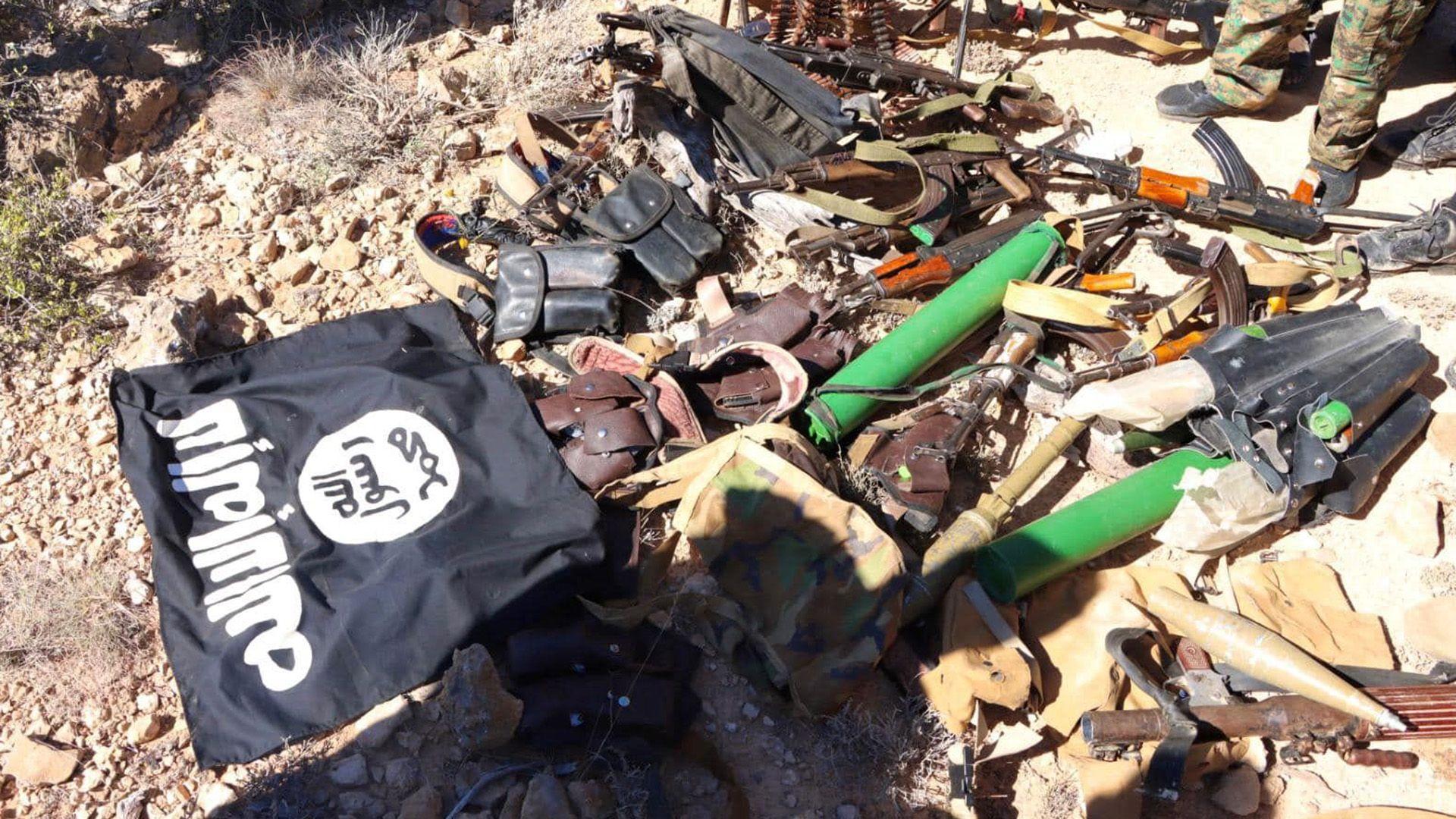
Today, locally, “the Islamic State’s ability to mount attacks in Somalia is diminished” and “does not pose a significant threat to Puntland or Somalia,” says Tricia Bacon, director of the Anti-Terrorism Policy Center at American University in Washington.
However, the Islamic State of Somalia still “plays a key role in terms of providing resources, support and enabling activities to other branches of the Islamic State, both in Africa and beyond, in Afghanistan,” she explains.
The Somali branch of the Islamic State group, located in the semi-autonomous region of Puntland in the northeast of the country, was founded by a Somali citizen, Abdulkadir Mumin.
He once lived in Sweden and Great Britain, and held British citizenship.
He appeared in 2015 along with 17 other men in a video pledging allegiance to the Islamic State.
Mumin was previously a member of the militant group al-Shabaab, which has fought the government for two decades and still controls large parts of southern Somalia.
The Somali Islamic State drove Al-Shabaab out of Puntland’s Al-Miskad mountains and brought in foreign recruits.
It also set up financial and training centers for the wider Islamic State network.
The group had some influence in the port city of Bosaso.
A US Treasury report states that in 2022, the Somali Islamic State “collected $2 million from extortion from local businesses, imports, livestock and agriculture.”
Puntland forces managed to drive the Somali Islamic State out of Bosaso in early 2025, but the militant group still controlled villages and towns in the nearby Al-Miskad mountains.
One of them was Dardar, home to 600 inhabitants.
With the Islamic State came brutality and fear.
People who live here say that strict rules were written on a school board in a nearby village, forbidding men and women to appear together in public, banning men from wearing ankle-length trousers or wearing stylized hairstyles.
Women had to wear a certain type of hijab with gloves and socks to cover their hands and ankles, and music was not allowed.
The strict regime and ideology left deep scars.
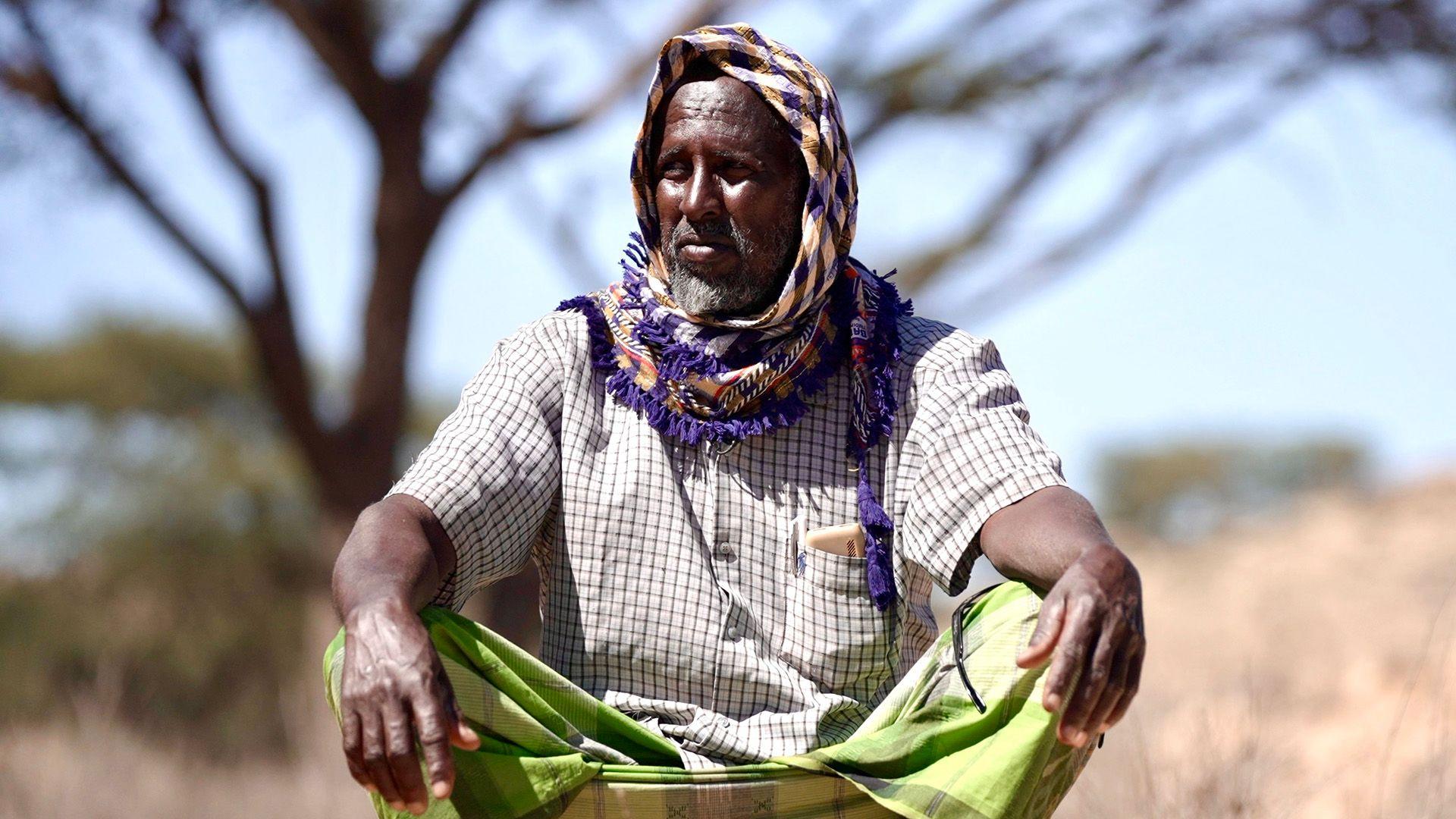
“Life has become very difficult,” says Said Muhammad Ibrahim, a local imam, as he sits on the floor of the mosque.
“People were afraid. Some were kidnapped and are still missing.”
While some people fled the village, he stayed, but says the Islamic State kicked him out of the mosque.
“They said: ‘We are the imam now, if you do not follow our instructions and leave the mosque immediately, you will get what you deserve.’
“I felt like I was going to be beheaded or kidnapped.”
Among the worshipers in the mosque was Mahad Jama.
Two years ago, fighters of the Islamic State kidnapped and killed his niece Shukri.
“She was a good girl, a caring daughter, she took care of her mother. She was a devout Muslim,” he says, ducking his head under a black and white scarf to shield himself from the midday sun.
Shukri was pregnant when she was killed.
She left behind two children and a sick mother.
“You can’t imagine what it’s like to lose a niece… without even knowing why she was killed. When you get the news of a child’s death, it’s almost impossible to accept,” adds Jama.
Shukri had a seven-year-old son, Said.
Her little boy was deaf and rarely separated from his mother.
The night the Islamic State invaded their home, he was with her. He was killed too.
After months of fighting, the village was recaptured by the Puntland Defense Forces in February 2025.
The Americans helped them, killed three extremists from the Islamic State in May 2024.
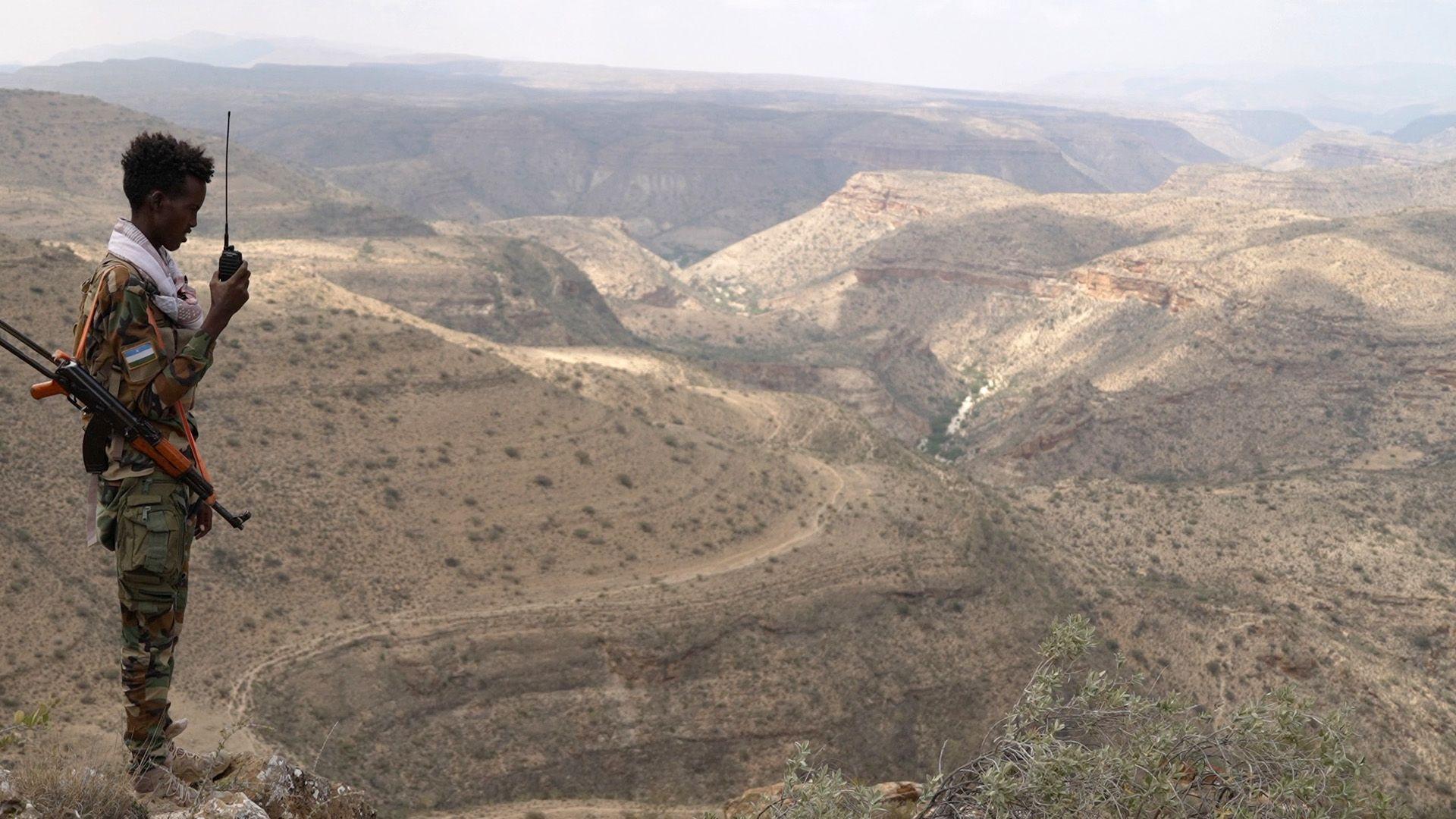
However, the Islamic State still has bases in the area.
At their mountain position, as the soldiers hear news that a clash with the Islamic State is approaching, the mood changes and the machine guns are readied.
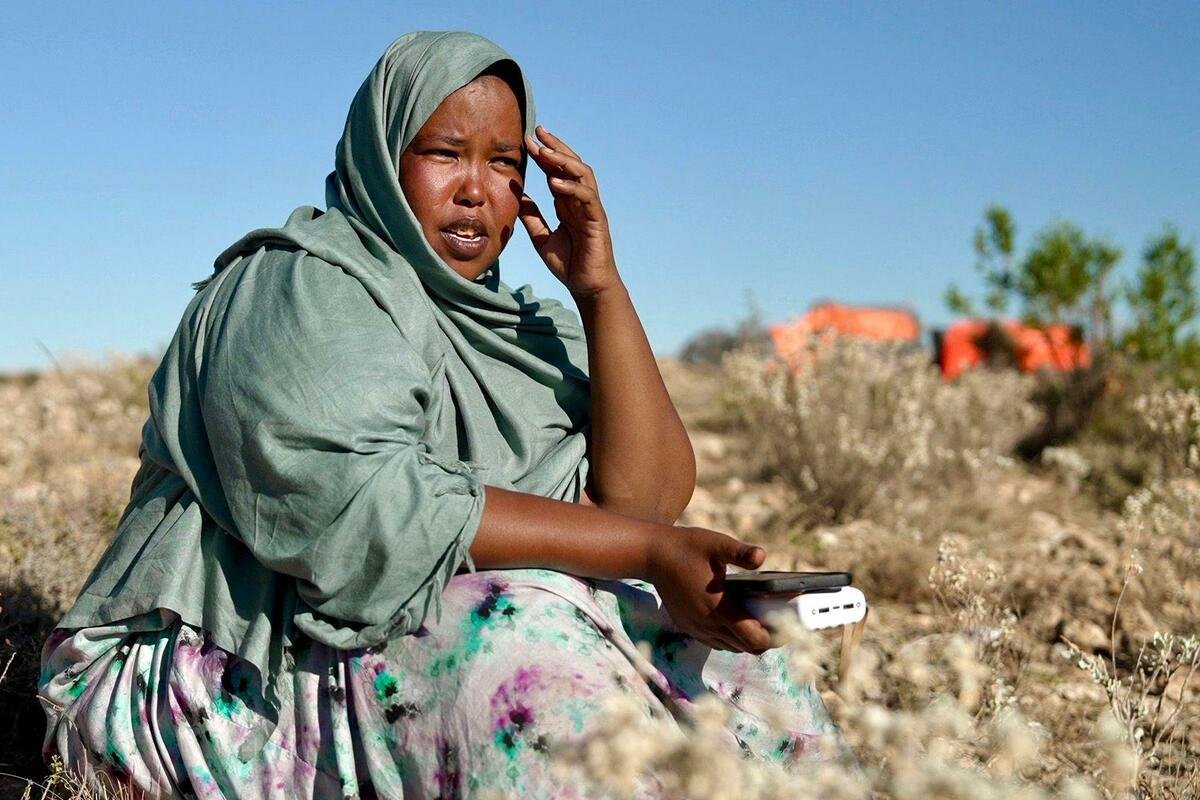
Muna Ali Dahir, a 32-year-old officer, is one of the few women among the soldiers here.
She has fought in battles before.
“We fought hard and won, because this is our country,” she says.
This time, however, she remains at the base, preparing for potential victims.
A young soldier shows me a picture on his phone of him tightly holding the hand of an Islamic State fighter he captured.
The prisoner is taller and bigger than him, with a thick black beard and long hair.
Another soldier holds his other hand.
“This is Hasan. The Turk we captured,” says 24-year-old Abdihair Abdiriza Jama.
In June 2025, the United Nations estimated that the Islamic State had about 800 fighters in Somalia, more than half of whom were foreigners.
Puntland forces claim to have killed hundreds of Islamic State members in the past 16 months, and have released images of more than 50 captured foreign fighters, from countries such as Ethiopia, Morocco and Syria.
Puntland authorities say those captured go on trial and sometimes face the death penalty.
Human Rights Watch has previously expressed concern about the legal process and treatment of prisoners accused of being part of an Islamist armed group.
A 2022 UN report said Somalia was working to “ensure that those held in detention are heard in a coordinated manner to respect the rights of detainees.”
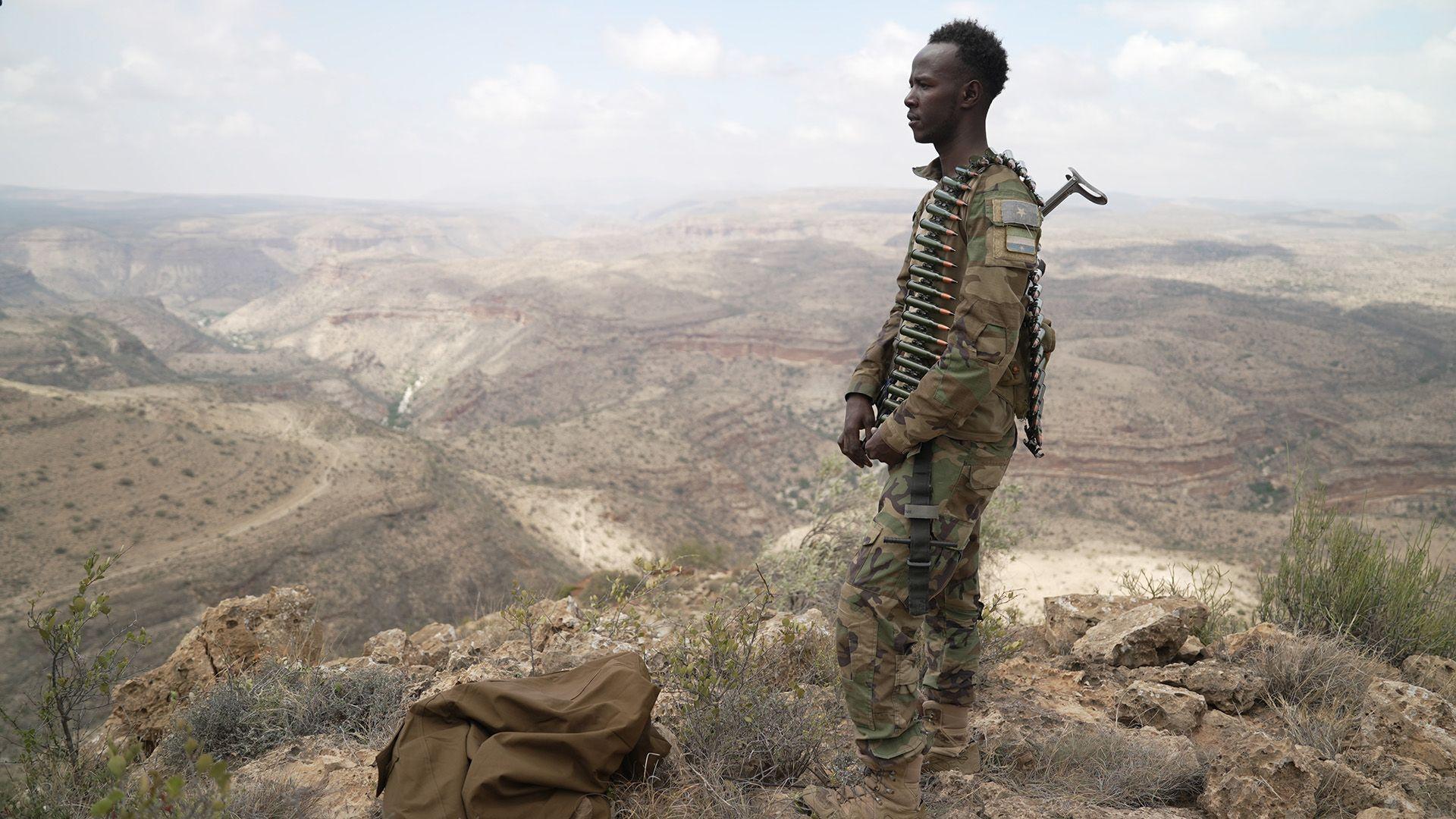
Abdihair Jama was 14 years old when the Islamic State first arrived in this region.
“I didn’t believe they existed. At first I thought it was just propaganda,” he says.
“But when I was holding one of them, I realized that foreign fighters were attacking our country.”
As we speak, the sharp shots of test fire echo through the camp.
Heavy machine guns and supplies are loaded onto camels and soldiers emerge from the base in small groups to attack Islamic State positions.
The military commander explains that an American reconnaissance drone is in the air gathering intelligence, helping them determine where to shoot.
Mortar shells thunder through the valley, slamming into Islamic State caves, and explosions echo off the mountainside.
No one returns fire.
The drone is sent up again, this time to assess the damage and, on the small screen, the entrance to the cave appears burned.
The man who had earlier been spotted running through the valley is nowhere to be seen, and looking from the top of the mountain, it is impossible to judge how effective the attack was.
The Puntland Defense Forces revealed that US drones later got involved and hit the fighters in the caves – it is not known exactly how many.
The fight against the Islamic State in Somalia is not over.
American University’s Tricia Bacon warns that while Somalia’s Islamic State “is currently contained, it has proven to be a resilient organization, capable of recovering and regrouping from losses.”
“We will not stop until the last fighter is captured.”
“Whether it takes 10 or 15 years, we will find them wherever they move or hide. Only when the country is completely cleared will we be able to calm down,” says Abdikair Jama.
Meanwhile, he and the other soldiers continue to live in harsh conditions.
There is no running water or electricity and they sleep in makeshift tents made of twigs, orange tarps and rocks.
They survive on the goats they raise and supplies brought in by helicopter twice a day.
In the quiet moments between battles, Dahir calls on her family – she has eight children, but has only seen them twice in the past year.
She believes that her children are her motivation.
“They say, ‘Mommy’s coming back and we’re going to win.’
“I feel like I’m doing the right thing, this is my country, and those who attack it are wrong,” he adds.
BBC is in Serbian from now on and on YouTube, follow us HERE.
Follow us on Facebook, Twitter, Instagram and Viber. If you have a topic suggestion for us, please contact bbcnasrpskom@bbc.co.uk
Download the application and follow the news


FOLLOW US ON

News